
World Alzheimer’s Day: Raising Awareness and Supporting Families
Every year on September 21, communities around the world observe World Alzheimer’s Day to increase awareness of Alzheimer’s disease and other forms of dementia. The day provides an opportunity to educate people about the signs of Alzheimer’s, challenge misconceptions surrounding dementia, and recognize the families and caregivers who provide essential support every day.
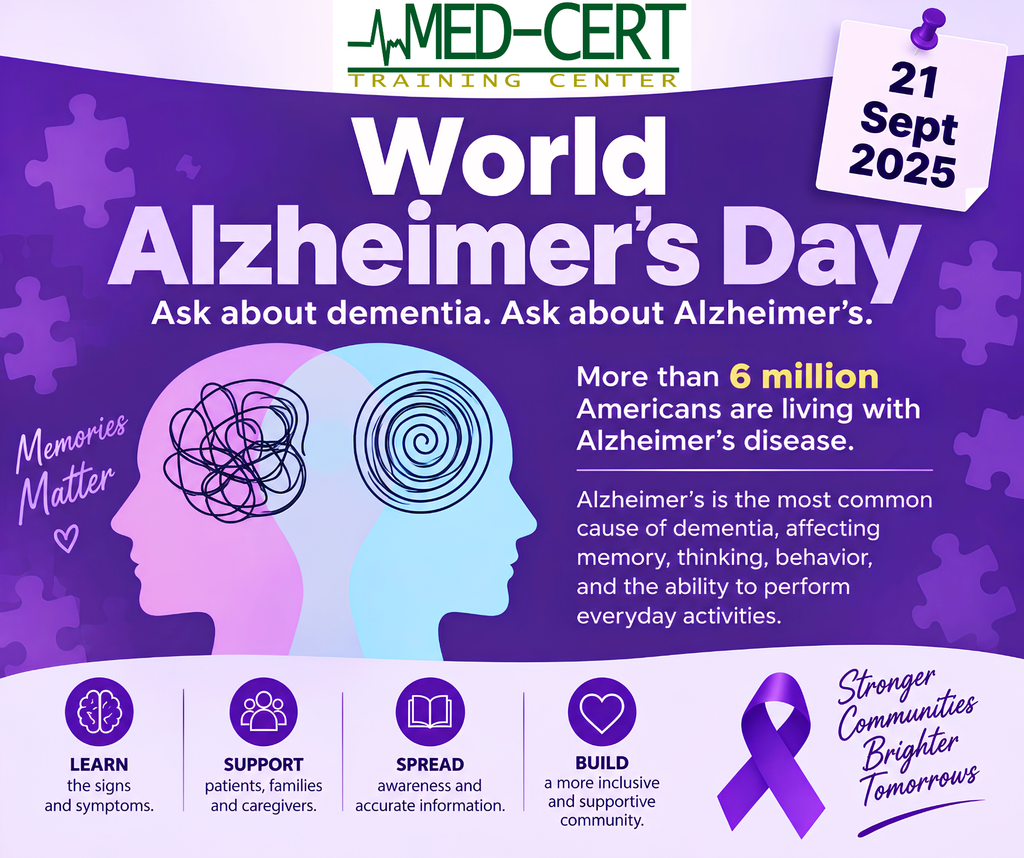
As the global population ages, understanding Alzheimer’s disease and knowing when to seek professional support are increasingly important.
What Is Alzheimer’s Disease?
Alzheimer’s disease is a progressive brain disorder and the most common cause of dementia. It gradually affects memory, thinking, behavior, and a person’s ability to perform everyday activities.
While occasional forgetfulness can be a normal part of aging, Alzheimer’s involves changes that become more significant over time. A person may begin forgetting recently learned information, struggling with familiar tasks, becoming confused about dates or places, or experiencing changes in communication and judgment.

Recognizing these changes early can help individuals and their families seek appropriate medical evaluation, understand available resources, and begin planning for future care.
Recognizing Common Signs of Alzheimer’s
Alzheimer’s disease can affect each person differently, and symptoms may develop gradually. Some changes that may warrant a conversation with a healthcare professional include:
Memory loss that interferes with everyday life
Difficulty completing familiar tasks
Confusion about time or location
Problems finding words or following conversations
Frequently misplacing belongings
Changes in judgment or decision-making
Withdrawal from work or social activities
Noticeable changes in mood, behavior, or personality
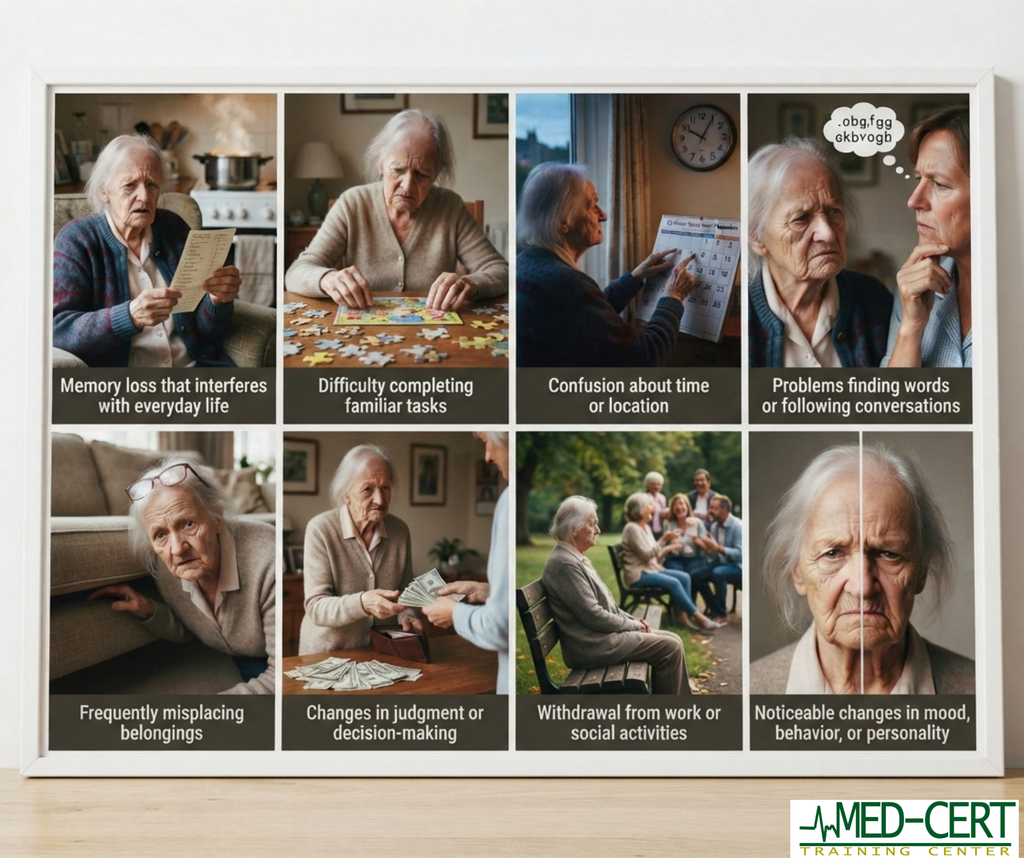
Having one of these symptoms does not necessarily mean someone has Alzheimer’s disease. Other medical conditions can sometimes cause similar changes, which is why a professional assessment is important.
Supporting People Living With Alzheimer’s
World Alzheimer’s Day is also a reminder that compassionate care can make a meaningful difference in the lives of people living with dementia.
As Alzheimer’s progresses, individuals may require increasing assistance with daily activities such as preparing meals, managing medications, maintaining personal hygiene, dressing, and moving safely around the home.
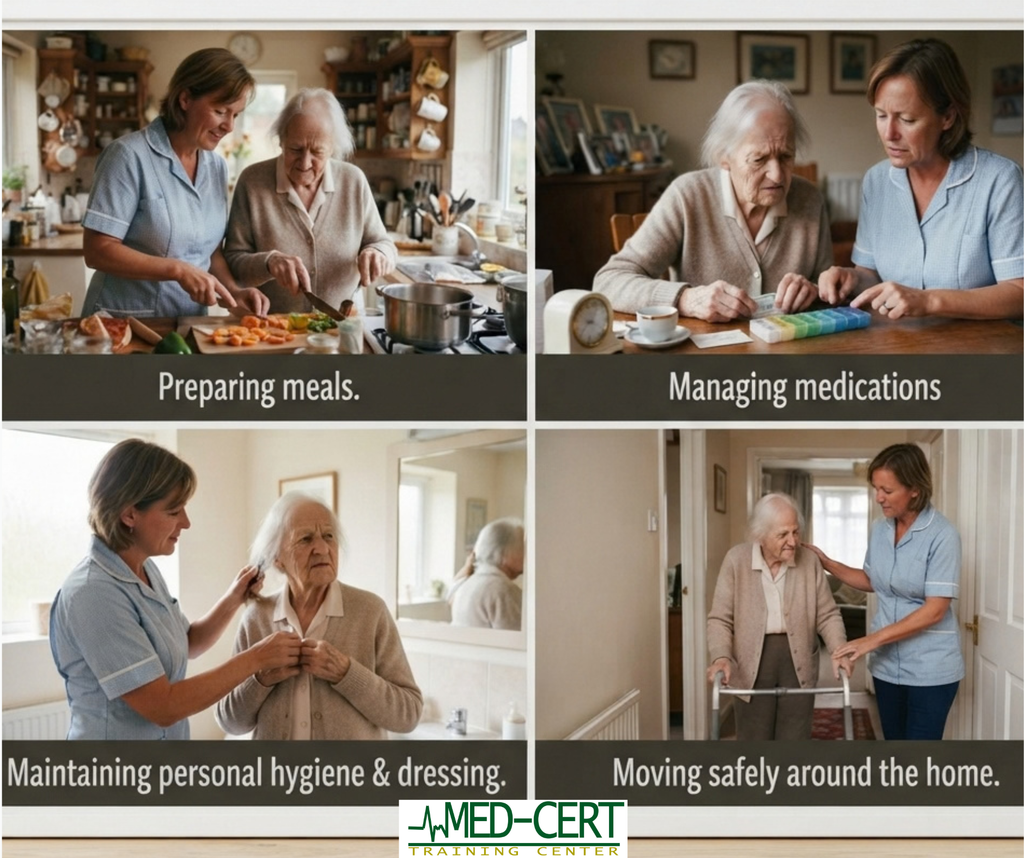
Families can help by creating predictable routines, maintaining a safe and comfortable environment, encouraging appropriate activities, and communicating patiently. Familiar surroundings and consistent support may also help reduce confusion and make everyday life more manageable.
Recognizing the Role of Alzheimer’s Caregivers
Caring for someone with Alzheimer’s can be rewarding, but it can also involve significant physical and emotional demands. Family caregivers often balance caregiving responsibilities with careers, households, and their own personal needs.
Professional home care services can provide additional assistance for families caring for an aging loved one. Depending on an individual’s needs, trained caregivers may help with personal care, companionship, meal preparation, mobility assistance, medication reminders, and everyday household activities.

Respite care can also give family caregivers valuable time to rest, attend appointments, work, or manage other responsibilities while knowing their loved one has support.
Raising Awareness This World Alzheimer’s Day
World Alzheimer’s Day encourages everyone to learn more about dementia and help reduce the stigma that can prevent individuals and families from seeking support.
Start conversations about brain health and dementia. Check in on family members who are caring for aging loved ones. Learn about Alzheimer’s resources available in your community. Most importantly, remember that behind every diagnosis is a person who deserves dignity, patience, respect, and compassionate care.
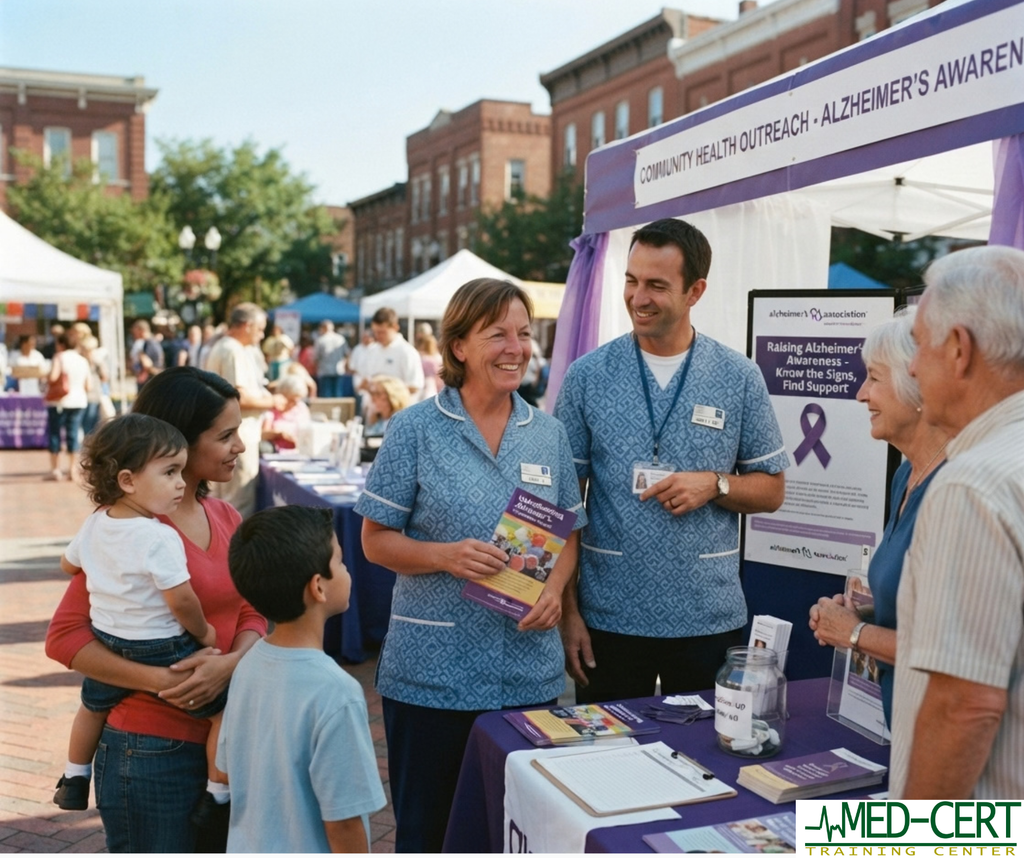
This World Alzheimer’s Day, we can help create more understanding and supportive communities for people living with Alzheimer’s disease and the families who care for them.
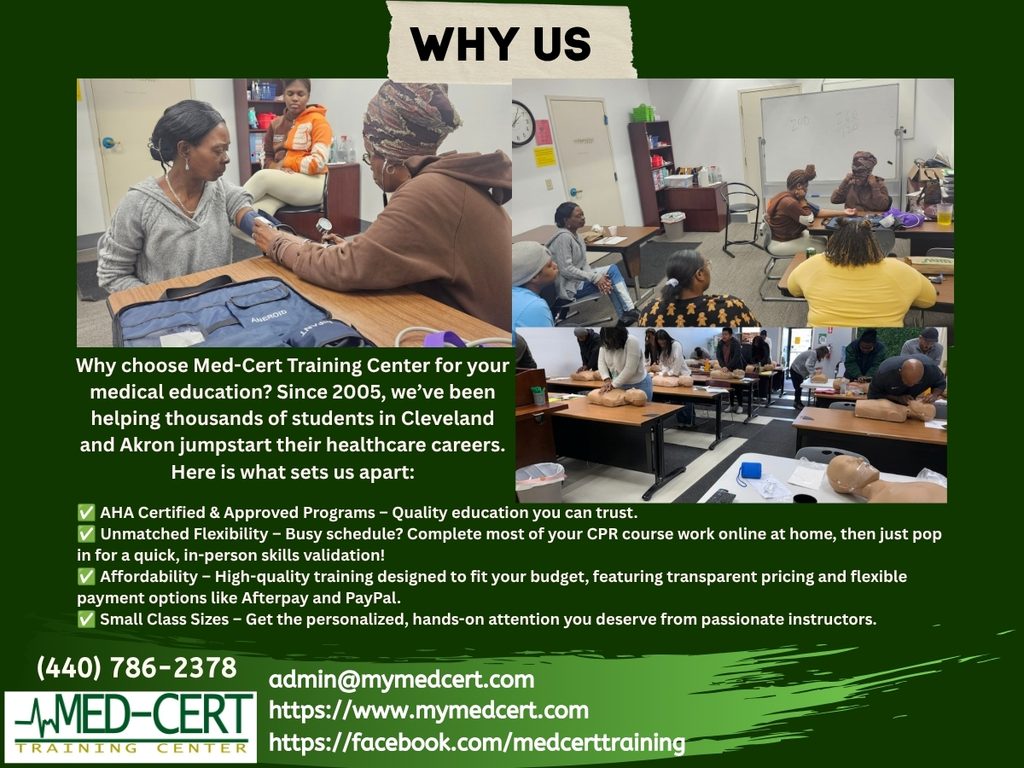
At Med-Cert Training Center, we believe education helps create more confident and compassionate healthcare professionals. As we recognize World Alzheimer’s Day, we encourage future healthcare workers to continue learning, developing their skills, and preparing to provide the quality care that patients and families deserve.
Together, greater awareness and better healthcare education can help create a more supportive environment for individuals living with Alzheimer’s disease.