Why High Blood Pressure Is Called the Silent Killer: What Future Healthcare Workers Should Know
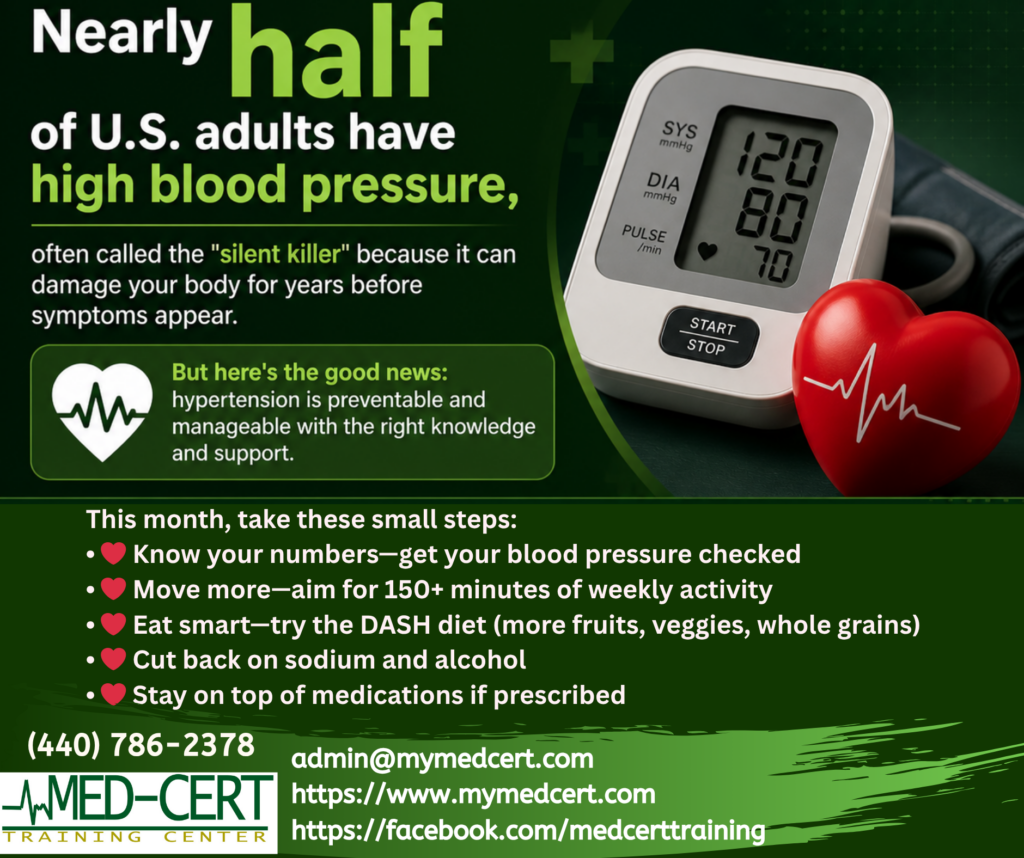
High blood pressure, also known as hypertension, is often called the “silent killer” because many people have it without realizing it. Unlike other health conditions that come with obvious warning signs, high blood pressure can quietly damage the body for years before symptoms appear. Left untreated, it can lead to heart disease, stroke, kidney failure, and other serious medical emergencies.
For future healthcare professionals, understanding high blood pressure is a crucial aspect of patient care. Whether you are training to become a CNA, STNA, EKG technician, phlebotomist, or a CPR-certified healthcare professional, knowledge of blood pressure plays a crucial role in helping patients stay safe and healthy.
Why Is High Blood Pressure So Dangerous?
Blood pressure measures the force of blood pushing against the walls of the arteries. When that pressure stays too high for too long, it puts extra strain on the heart and blood vessels.
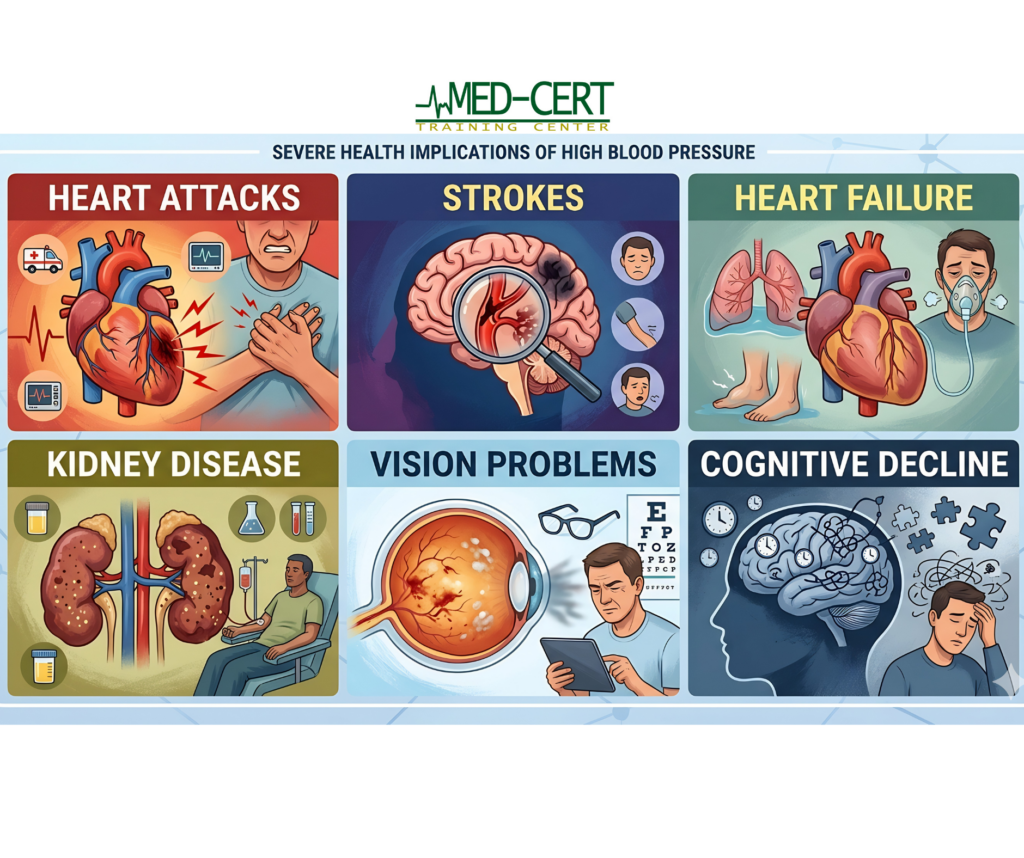
The reason hypertension is considered dangerous is that many patients do not experience symptoms early on. Some people may feel completely normal while their blood pressure reaches unsafe levels. Over time, this silent damage can increase the risk of:
- Heart attacks
- Strokes
- Heart failure
- Kidney disease
- Vision problems
- Cognitive decline
Because symptoms are often absent, healthcare workers play an essential role in identifying warning signs through regular screenings and patient monitoring.
Why Future Healthcare Workers Need to Understand Blood Pressure
Students entering healthcare training programs quickly learn that vital signs are one of the most important parts of patient care. Blood pressure readings provide valuable information about a patient’s overall health and can help detect serious conditions before they become emergencies.
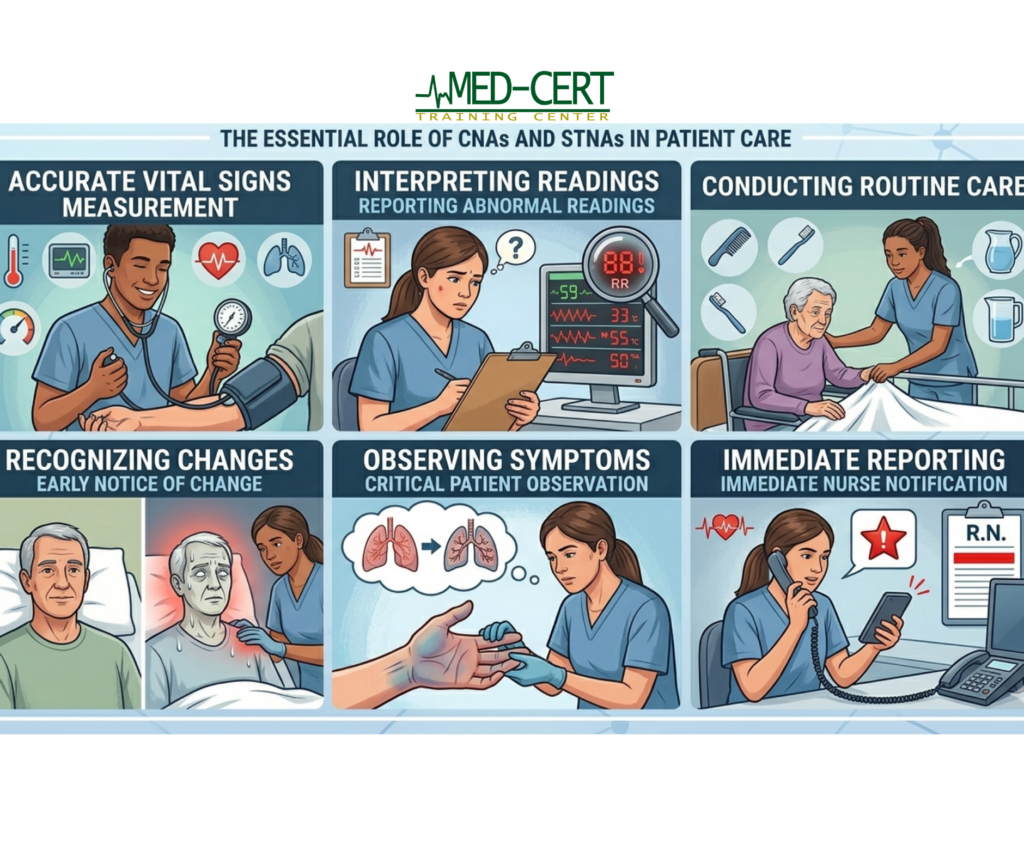
In CNA and STNA classes, students learn how to measure vital signs accurately and report abnormal readings. Nursing assistants are often the first healthcare professionals to notice changes in a patient’s condition during routine care.
Students in EKG technician training programs also work closely with cardiovascular health. Since high blood pressure can increase the risk of heart complications, understanding hypertension helps EKG technicians recognize why cardiac monitoring matters.
Phlebotomy students may work with patients who have chronic health conditions such as hypertension or diabetes. Strong communication and patient care skills are essential when assisting patients who may already be at risk for cardiovascular disease.
CPR and first aid training are also connected to heart health awareness. Knowing how to respond during medical emergencies can save lives when patients experience heart-related complications linked to uncontrolled blood pressure.
Common Risk Factors for High Blood Pressure
Healthcare students should also understand the common risk factors associated with hypertension. These include:
- Poor diet
- Lack of physical activity
- Smoking
- Stress
- Obesity
- Family history
- Diabetes
- Aging
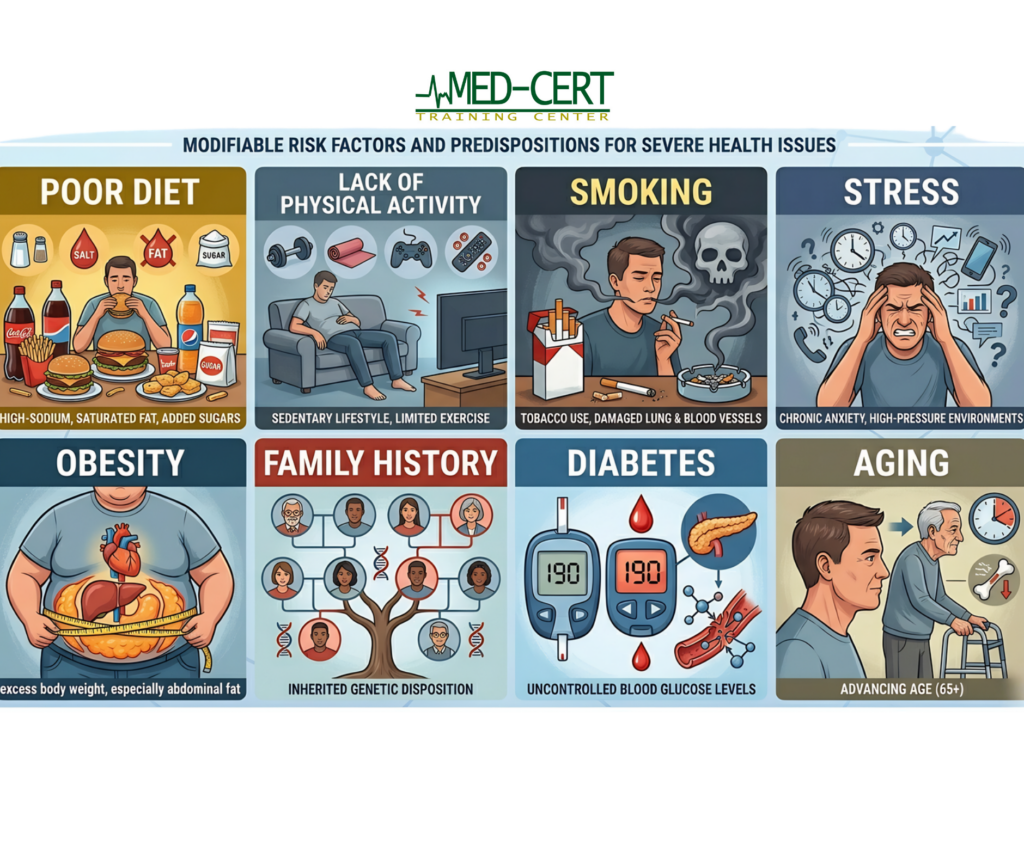
Educating patients about healthy lifestyle habits is an important part of healthcare work. Even small changes like regular exercise, healthier eating habits, and reducing sodium intake can help lower blood pressure.
Building a Career in Healthcare Starts with Strong Training
At Med-Cert Training Center, students preparing for careers in healthcare receive hands-on training designed to build real-world patient care skills. Programs such as CNA/STNA training, EKG technician classes, phlebotomy certification, and CPR training help students gain the knowledge needed to work confidently in healthcare settings.
As healthcare continues to grow, employers are looking for trained professionals who understand patient safety, communication, and basic health monitoring skills. Learning about conditions like high blood pressure is part of becoming a knowledgeable and compassionate healthcare worker.
If you are ready to start a rewarding healthcare career, Med-Cert offers training programs that can help you take the first step toward working in hospitals, clinics, long-term care facilities, and other medical environments.