Stronger Together: Promoting Wellness During National Minority Health Month
Every April, National Minority Health Month serves as an important reminder that health equity is not just a goal—it’s a necessity. Across communities, disparities in access to care, education, and preventive services continue to impact minority populations at higher rates.
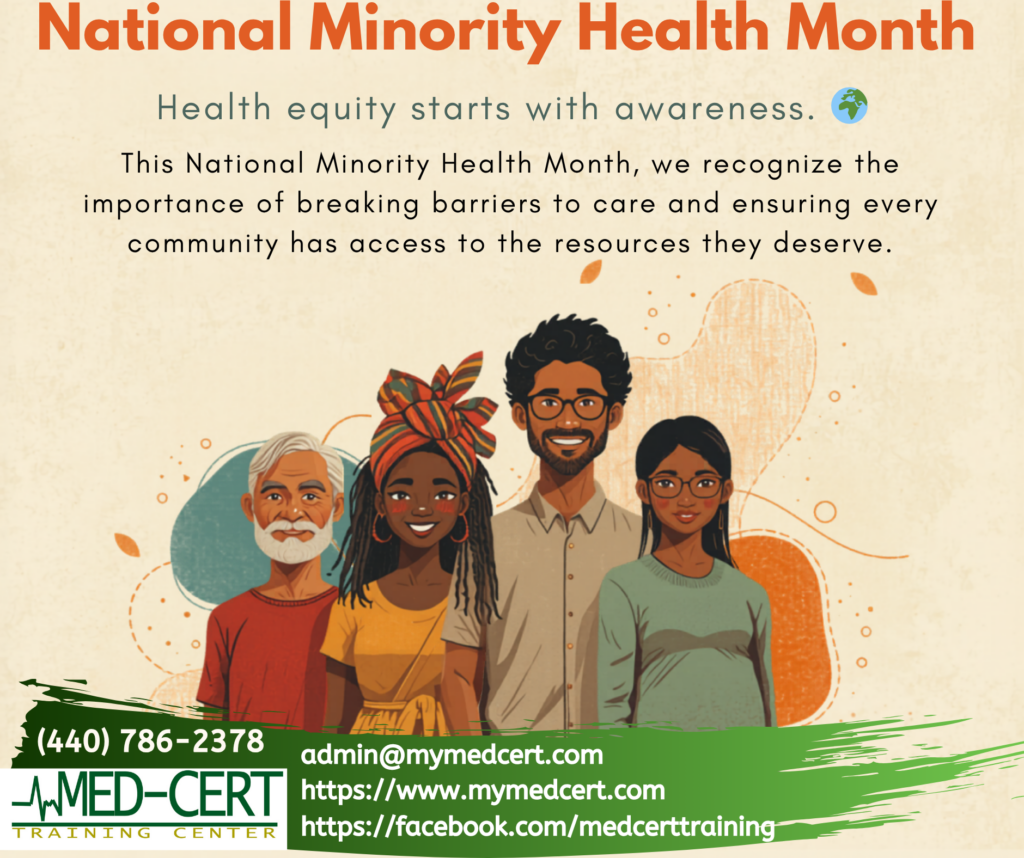
This month encourages individuals, organizations, and healthcare providers to come together to raise awareness, promote healthier lifestyles, and support one another in building stronger, healthier communities.
At its core, National Minority Health Month is about unity. The theme “Stronger Together” highlights the power of collaboration in addressing health challenges. When communities work collectively—sharing resources, knowledge, and support—real change becomes possible.
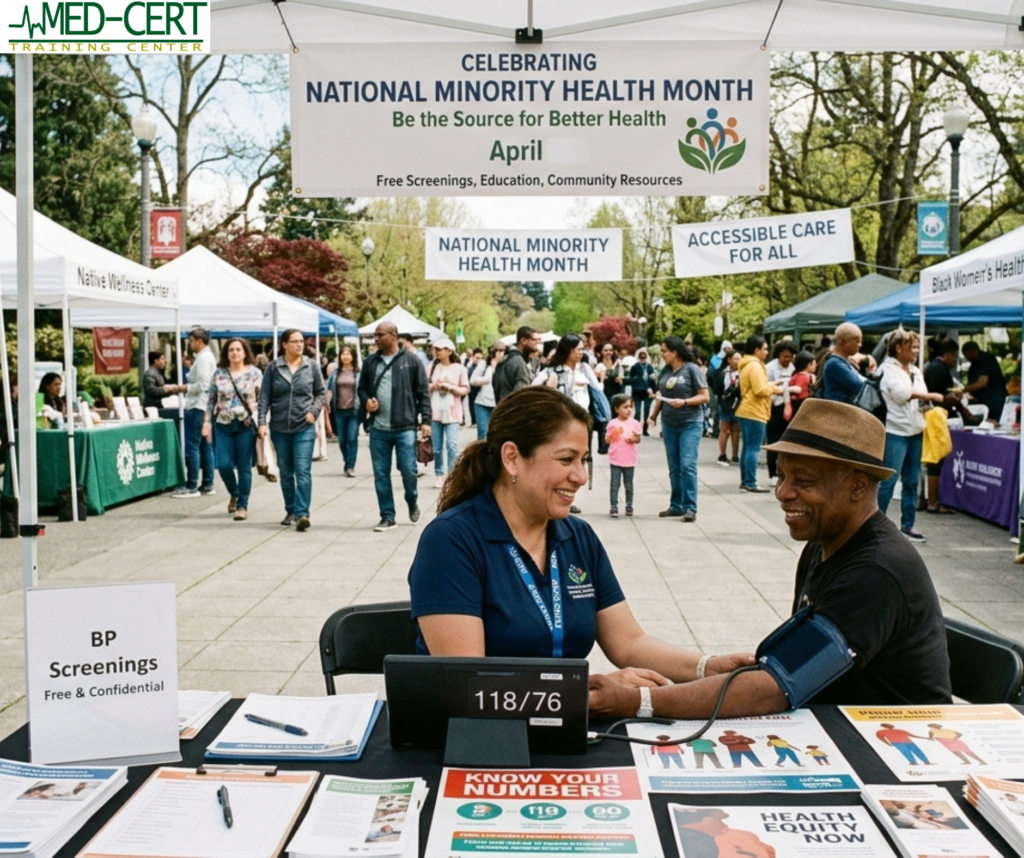
From local health initiatives to national campaigns, every effort contributes to closing the gap in health outcomes.
One of the key areas of focus during this month is preventive care. Many chronic conditions such as heart disease, diabetes, and hypertension disproportionately affect minority groups. Early detection and prevention play a critical role in reducing these risks.
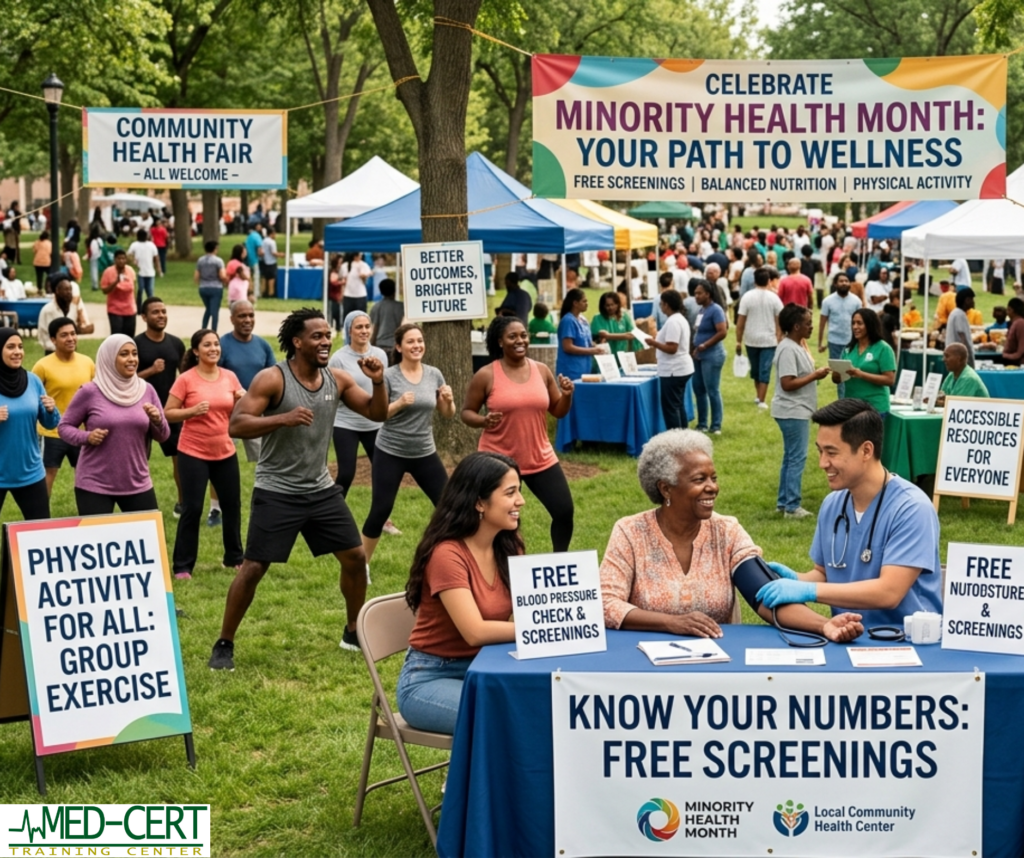
Encouraging regular health screenings, balanced nutrition, and physical activity can significantly improve long-term health outcomes. Community-based programs, health fairs, and educational workshops are effective ways to make these resources more accessible.
Education is another powerful tool in promoting wellness. Language barriers, cultural differences, and lack of access to accurate information can prevent individuals from seeking proper care. By providing culturally competent education and resources, healthcare providers can better connect with diverse populations.
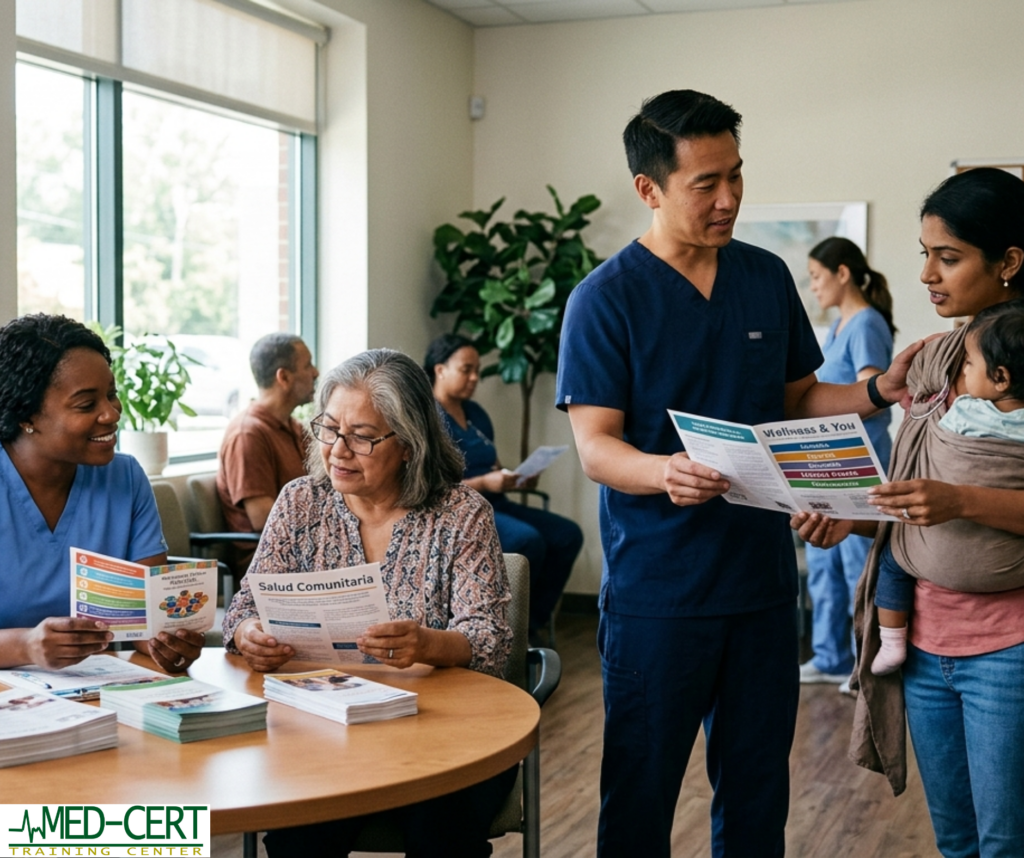
This includes offering materials in multiple languages, understanding cultural health beliefs, and building trust within communities.
Mental health is equally important and often overlooked. Minority populations may face unique stressors, including discrimination, socioeconomic challenges, and limited access to mental health services. Promoting open conversations about mental health, reducing stigma, and providing accessible support services are essential steps toward overall wellness.
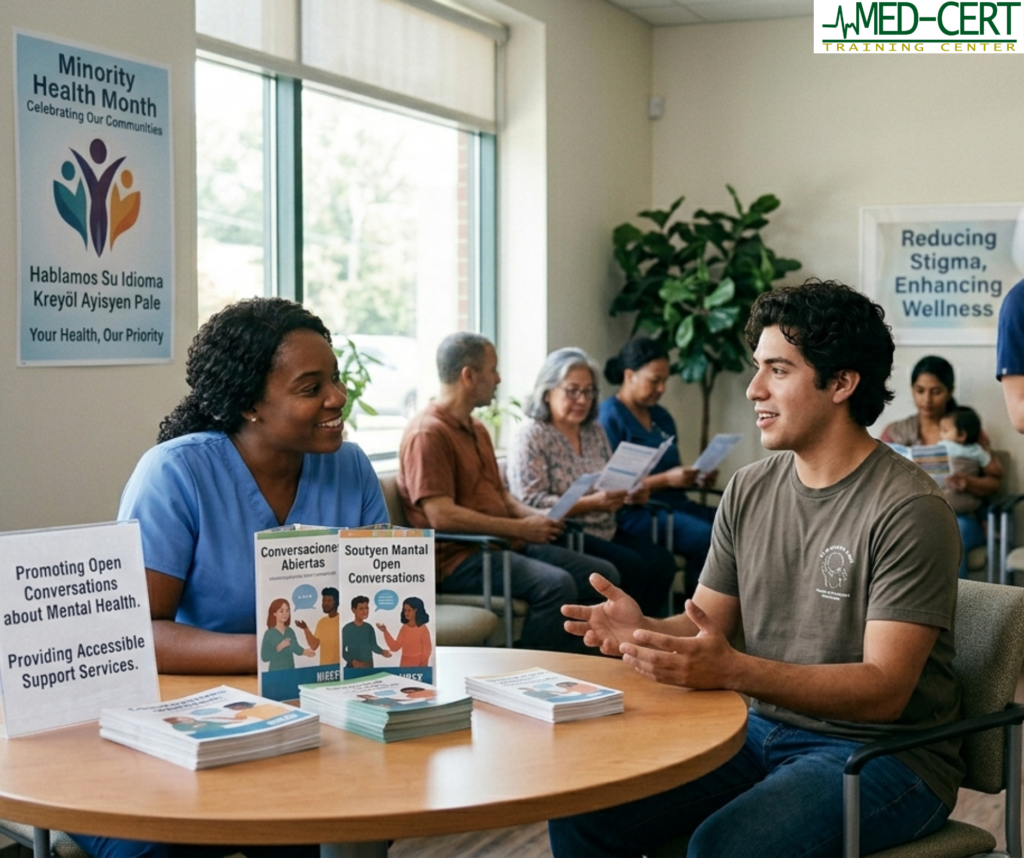
Community support groups and culturally sensitive counseling services can make a meaningful difference.
Another vital aspect of wellness is emergency preparedness and response. Knowing how to act in critical situations can save lives. Skills such as CPR and first aid empower individuals to respond confidently during emergencies, especially in communities where immediate medical assistance may not always be available.
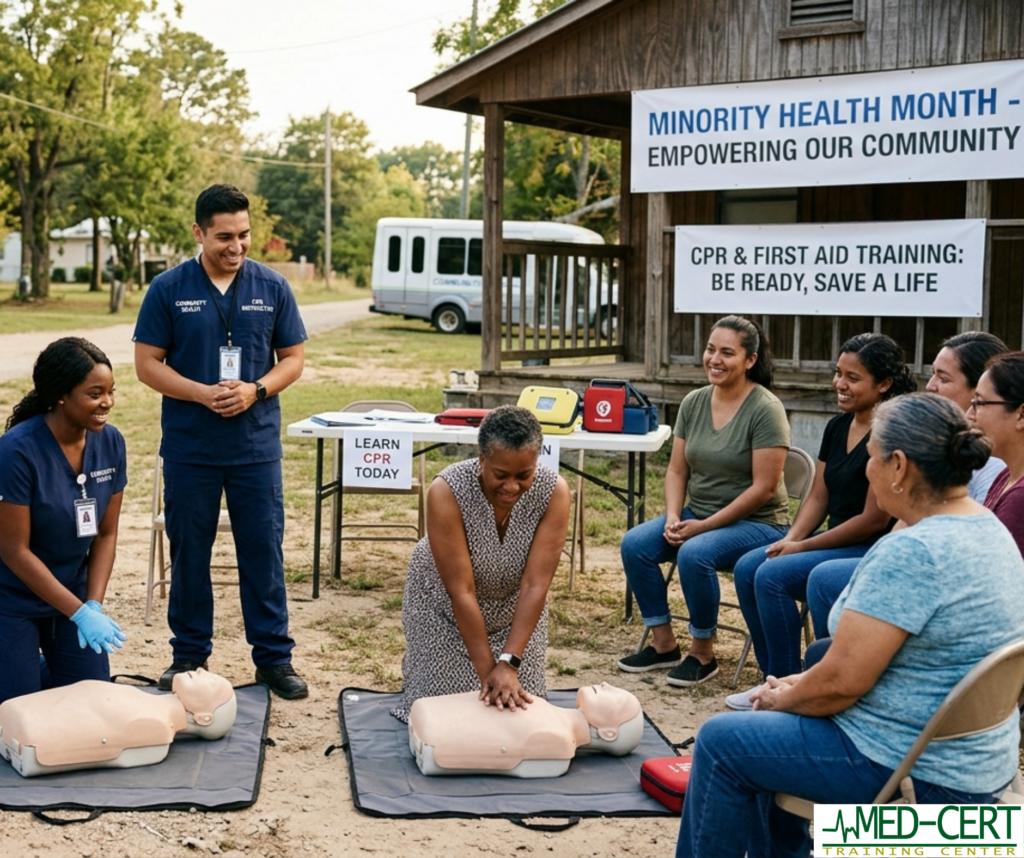
Training more people in these life-saving techniques strengthens community resilience and ensures that help is always nearby.
Technology is also helping to improve access to healthcare. Telehealth services, mobile health apps, and online education platforms make it easier for individuals to receive care and information regardless of location.
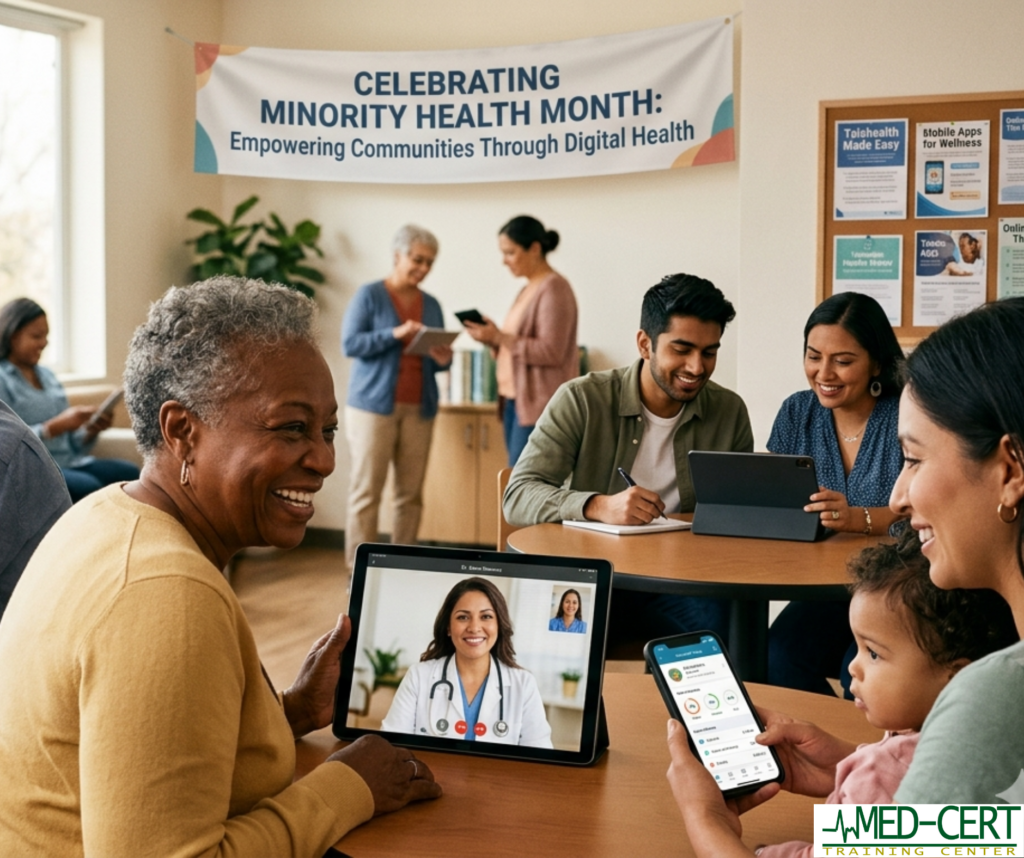
While challenges such as digital access still exist, these innovations offer promising opportunities to reach underserved populations and provide timely support.
Ultimately, promoting wellness during National Minority Health Month is about empowerment. It’s about giving individuals the tools, knowledge, and support they need to take control of their health. Small changes—like adopting healthier habits, attending a local health event, or learning a new life-saving skill—can have a lasting impact.
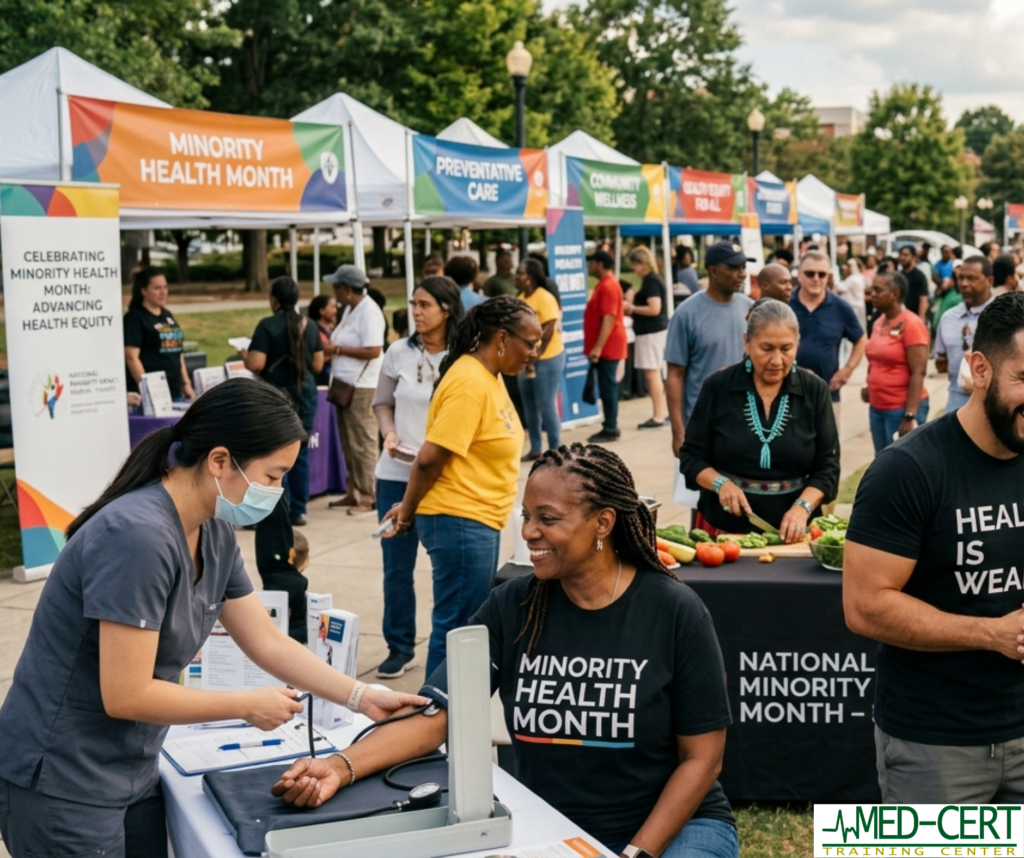
As we recognize this important month, let’s remember that improving health outcomes requires collective effort. By supporting one another, advocating for equitable care, and investing in community health, we can create a future where everyone has the opportunity to thrive. Together, we are stronger—and together, we can make a difference.
Visit our website for more information and offered courses!
Med-Cert Training Center, Affordable Medical Training Since 2005