Saving Black Mothers: Why This Week Matters More Than Ever
Every year, Black Maternal Health Week shines a critical spotlight on one of the most urgent public health issues in the United States: the disproportionately high rates of maternal mortality and complications among Black women.
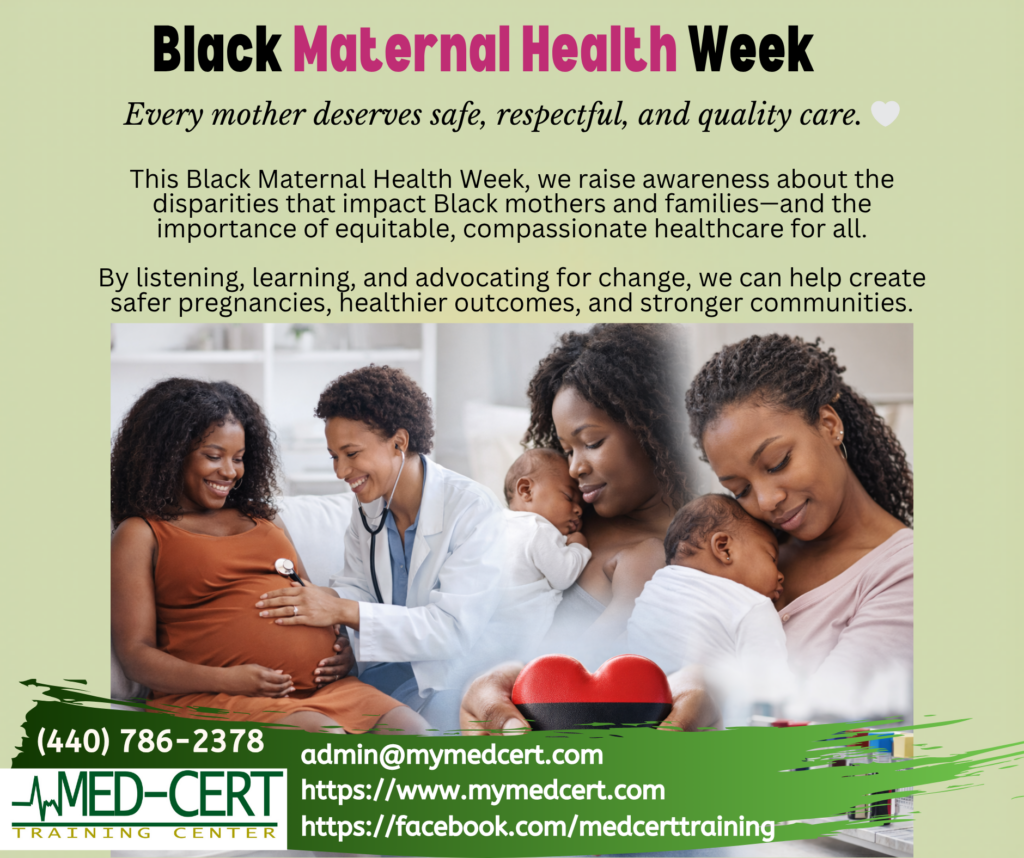
This week is more than just a campaign—it’s a call to action, especially for communities in Akron and Cleveland, Ohio, where access to quality healthcare, education, and emergency preparedness can make a life-saving difference.
Black women in the U.S. are nearly three times more likely to die from pregnancy-related complications than white women. These statistics are not just numbers—they represent real mothers, daughters, and families affected by systemic gaps in healthcare.
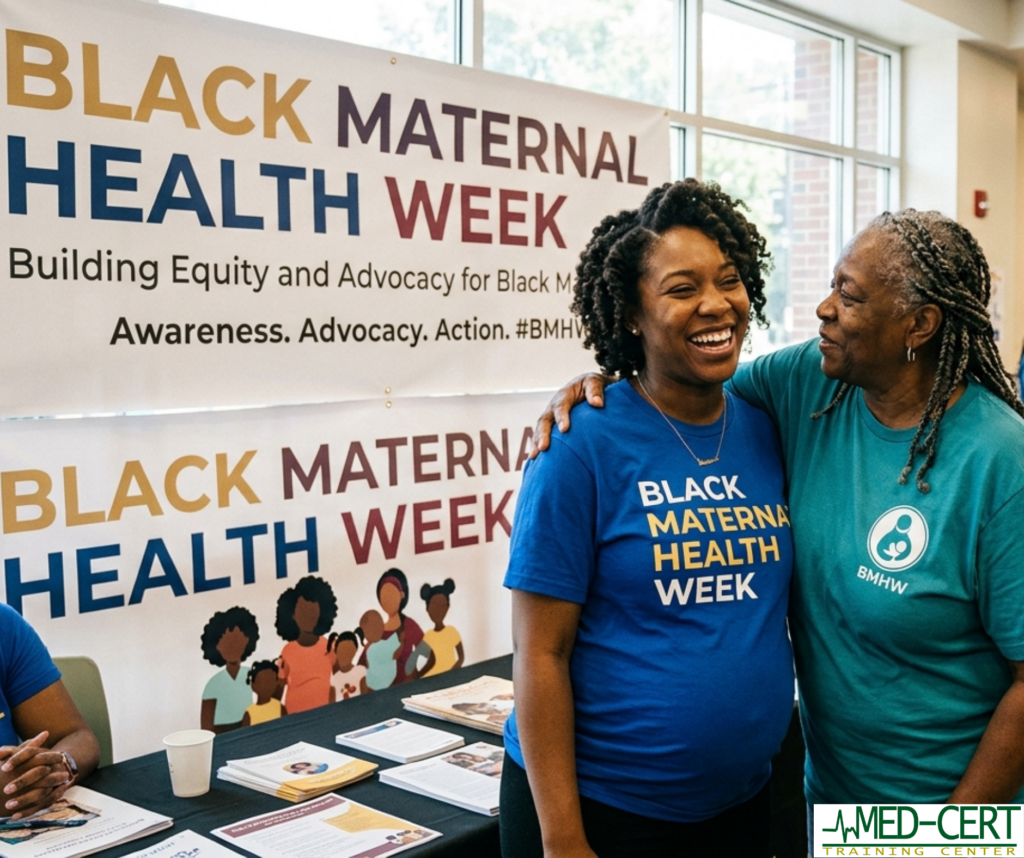
In cities like Akron and Cleveland, addressing these disparities means increasing awareness, improving access to care, and empowering communities with life-saving skills such as CPR and first aid.
One of the key factors contributing to maternal health disparities is delayed response during emergencies. Whether it’s a cardiac event, excessive bleeding, or complications during childbirth, knowing how to respond quickly can mean the difference between life and death.
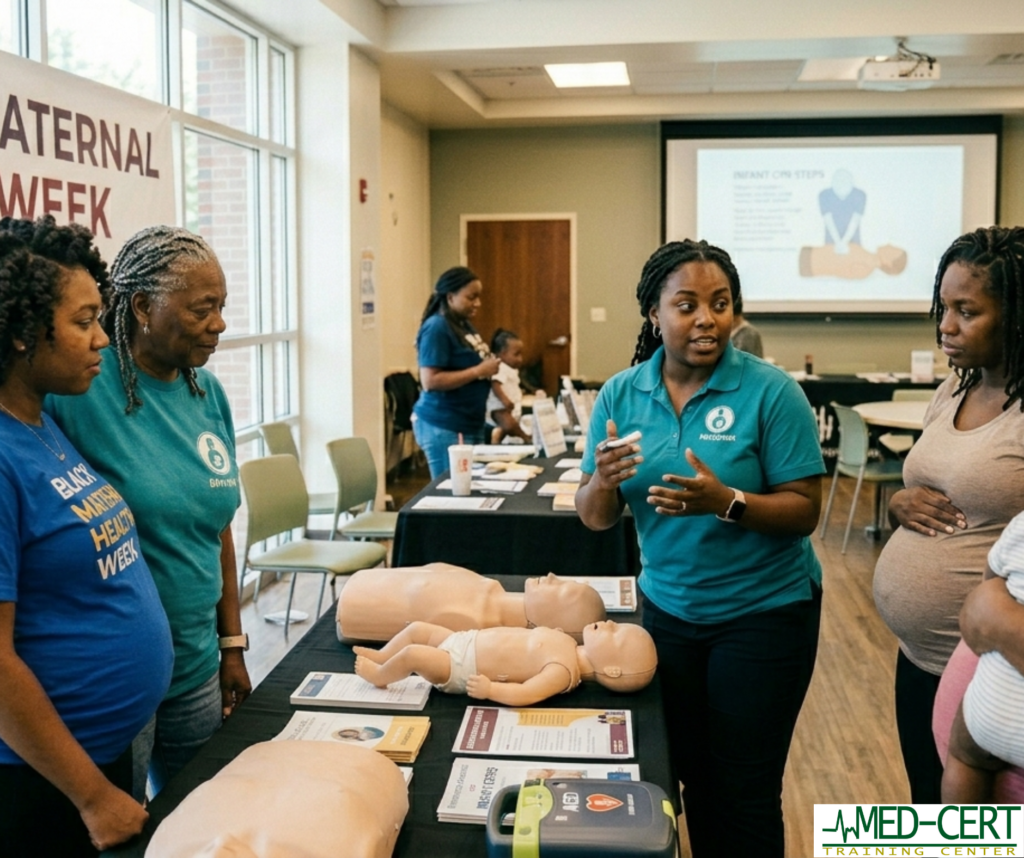
This is where CPR certification and first aid training in Ohio become essential tools for both healthcare professionals and everyday individuals.
Organizations like Med-Cert Training Center are playing a vital role in bridging this gap. By offering accessible and affordable CPR classes in Akron and Cleveland, they empower individuals with the knowledge and confidence to act during emergencies. Their courses are designed not only for healthcare providers but also for parents, caregivers, and community members who want to be prepared for critical situations.
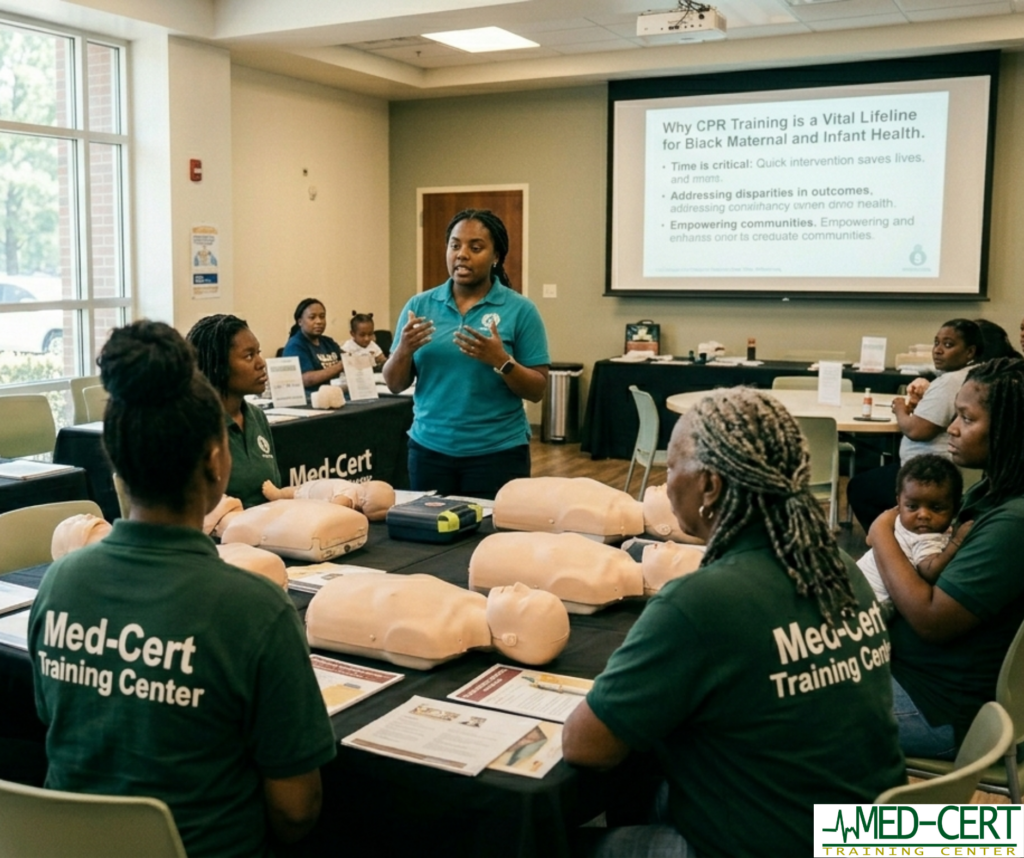
Visiting can connect you with resources that help build safer communities. While maternal health is a complex issue that requires systemic change, equipping more people with CPR and first aid skills is a practical and immediate step toward saving lives.
Another important aspect of Black Maternal Health Week is education. Many complications can be prevented when warning signs are recognized early. Symptoms such as severe headaches, chest pain, shortness of breath, and excessive swelling should never be ignored.
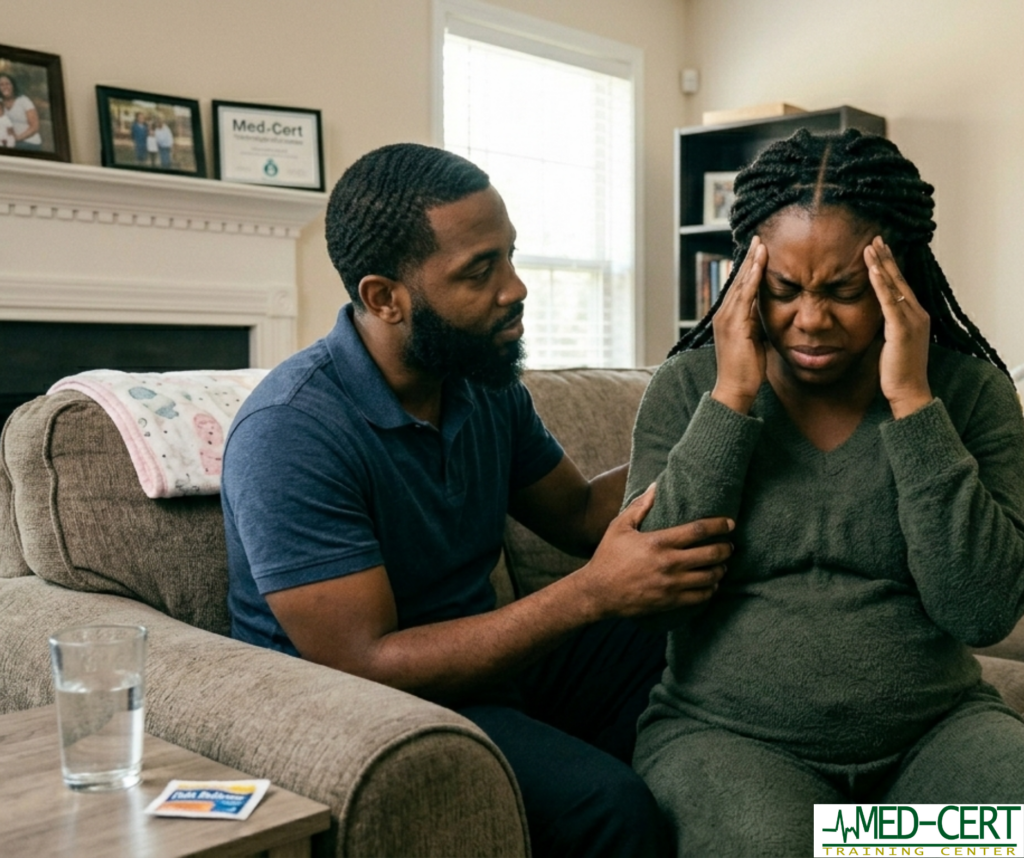
Community education programs in Cleveland and Akron are increasingly focusing on these warning signs, ensuring that women and their families know when to seek help.
In addition, advocacy plays a huge role. Supporting policies that improve maternal healthcare access, funding community-based programs, and promoting culturally competent care are all essential steps.
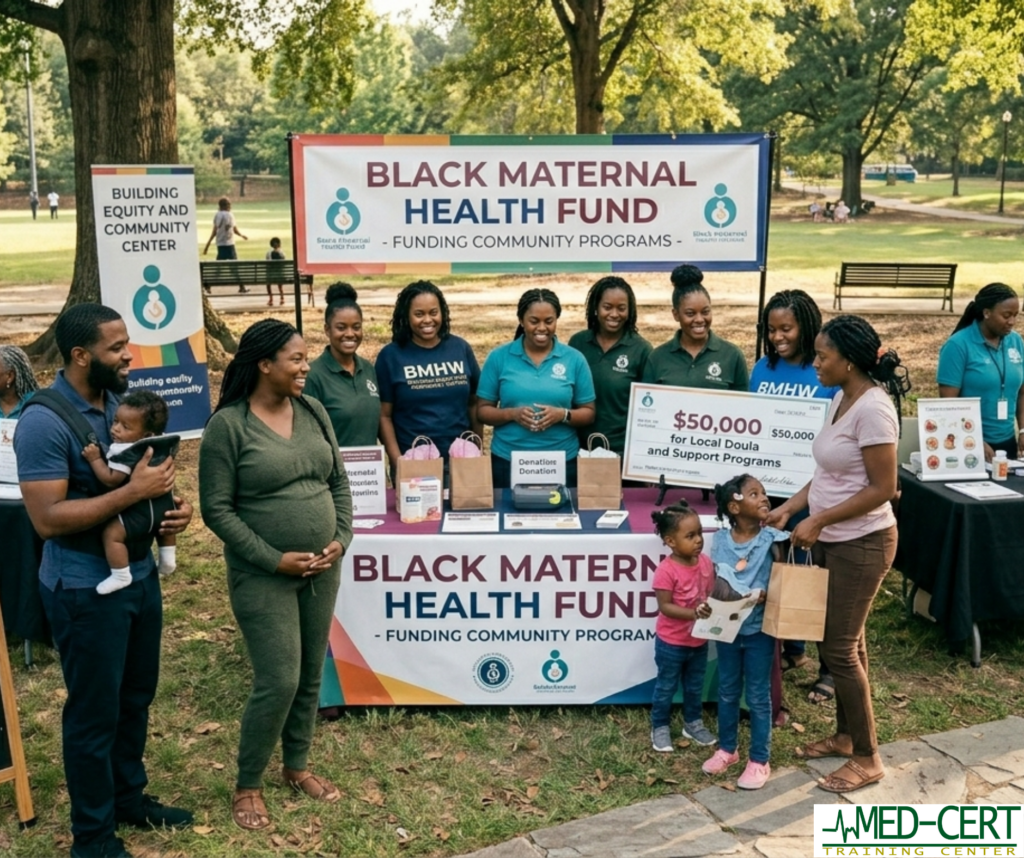
Local initiatives in Ohio are working to provide better prenatal and postnatal care, especially in underserved communities where Black mothers often face additional barriers.
Emergency preparedness is another layer that cannot be overlooked. Taking a CPR course in Akron or Cleveland not only prepares you for maternal emergencies but also equips you to handle cardiac arrests, choking incidents, and other life-threatening situations. These skills are invaluable in homes, workplaces, and public spaces.
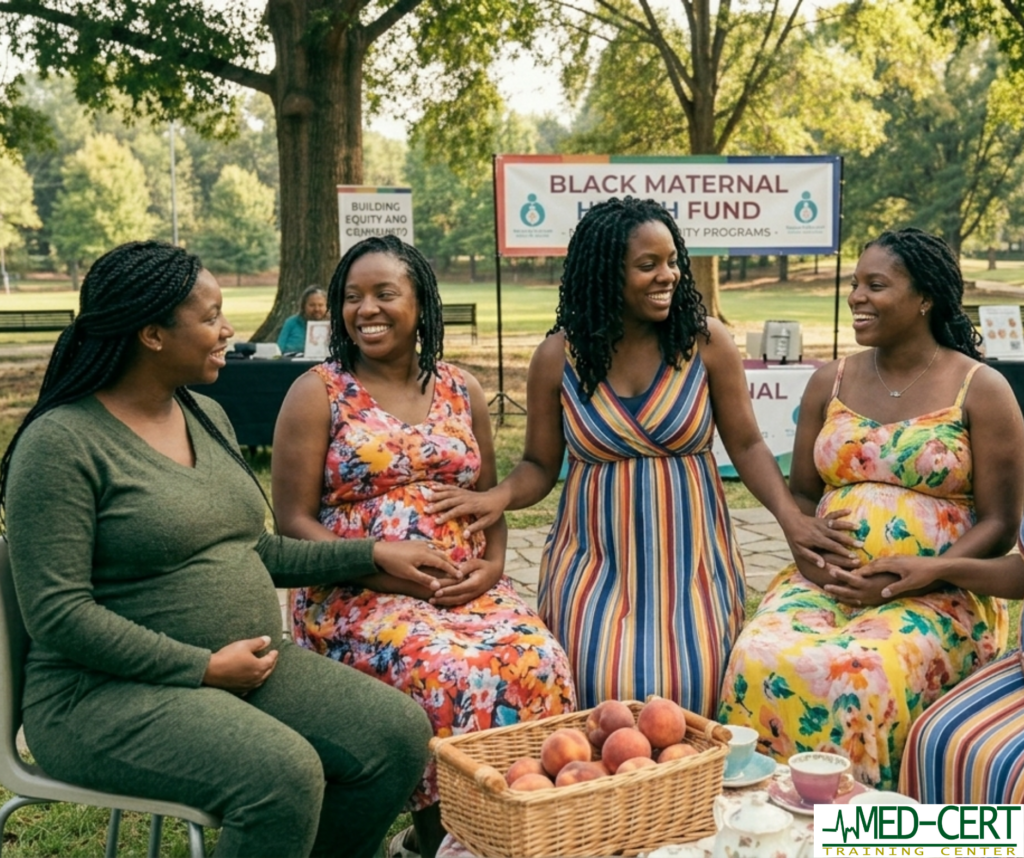
Black Maternal Health Week reminds us that change requires collective effort. Healthcare providers, educators, policymakers, and community members must work together to create safer environments for Black mothers. By raising awareness, advocating for better care, and investing in life-saving training, we can begin to close the gap and protect more lives.
In Ohio communities like Akron and Cleveland, the opportunity to make a difference starts with education and action. Whether you’re a healthcare worker or simply someone who wants to help, enrolling in CPR and first aid training is a powerful step.
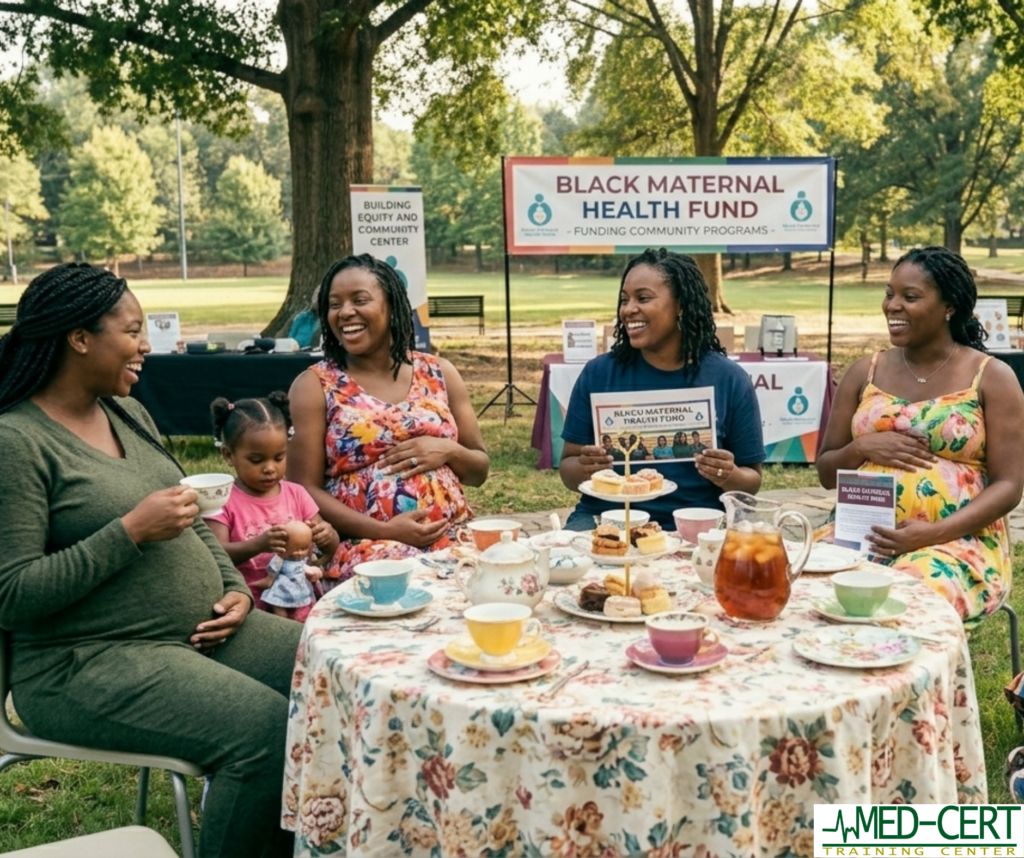
Saving Black mothers is not just a healthcare issue—it’s a community responsibility. And this week serves as a powerful reminder that the time to act is now.