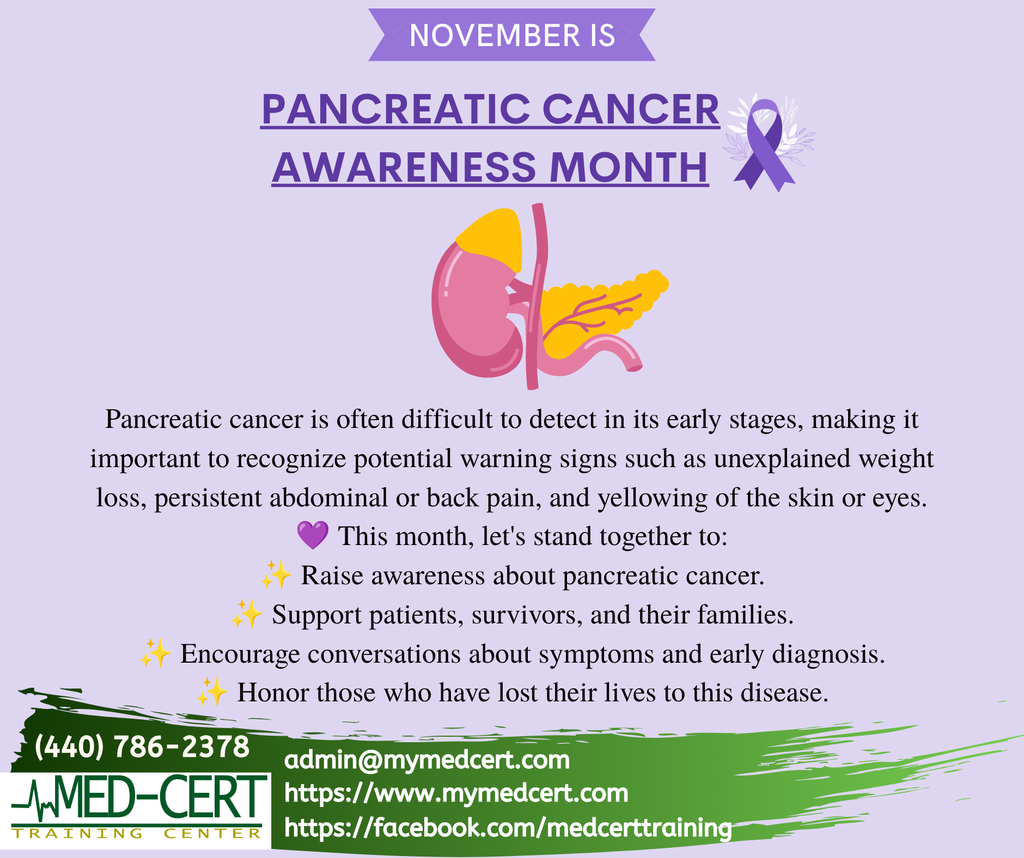
Every November, Pancreatic Cancer Awareness Month brings attention to one of the most challenging forms of cancer. This national awareness campaign encourages individuals, families, caregivers, and healthcare professionals to learn about pancreatic cancer symptoms, recognize potential warning signs, and understand the importance of early detection.
At Med-Cert Training Center, we believe that healthcare education plays an essential role in building stronger, healthier communities. By preparing future healthcare professionals with valuable knowledge and hands-on skills, we help support compassionate patient care and greater health awareness.
Understanding Pancreatic Cancer
Pancreatic cancer develops when abnormal cells begin growing uncontrollably in the pancreas, an organ responsible for producing digestive enzymes and hormones that regulate blood sugar.
One of the biggest challenges of pancreatic cancer is that symptoms may not appear until the disease has progressed. This makes pancreatic cancer awareness, early diagnosis, and timely medical attention especially important.

Although pancreatic cancer can affect anyone, certain factors may increase a person’s risk, including smoking, obesity, chronic pancreatitis, family history, inherited genetic conditions, and increasing age.
Understanding these risk factors can encourage individuals to make informed health decisions and discuss personal concerns with a qualified healthcare provider.
Recognizing the Warning Signs of Pancreatic Cancer
Knowing the possible symptoms of pancreatic cancer can help individuals recognize when medical evaluation may be necessary.
Some common warning signs include:
- Persistent abdominal or back pain: Discomfort that may gradually worsen over time.
- Unexplained weight loss: Losing weight without making changes to diet or physical activity.
- Jaundice: Yellowing of the skin or eyes, sometimes accompanied by dark urine or pale stools.
- Loss of appetite: Feeling full quickly or experiencing reduced interest in food.
- Digestive problems: Nausea, vomiting, or changes in bowel movements.
- New-onset diabetes: Unexpected changes in blood sugar levels, particularly in older adults.
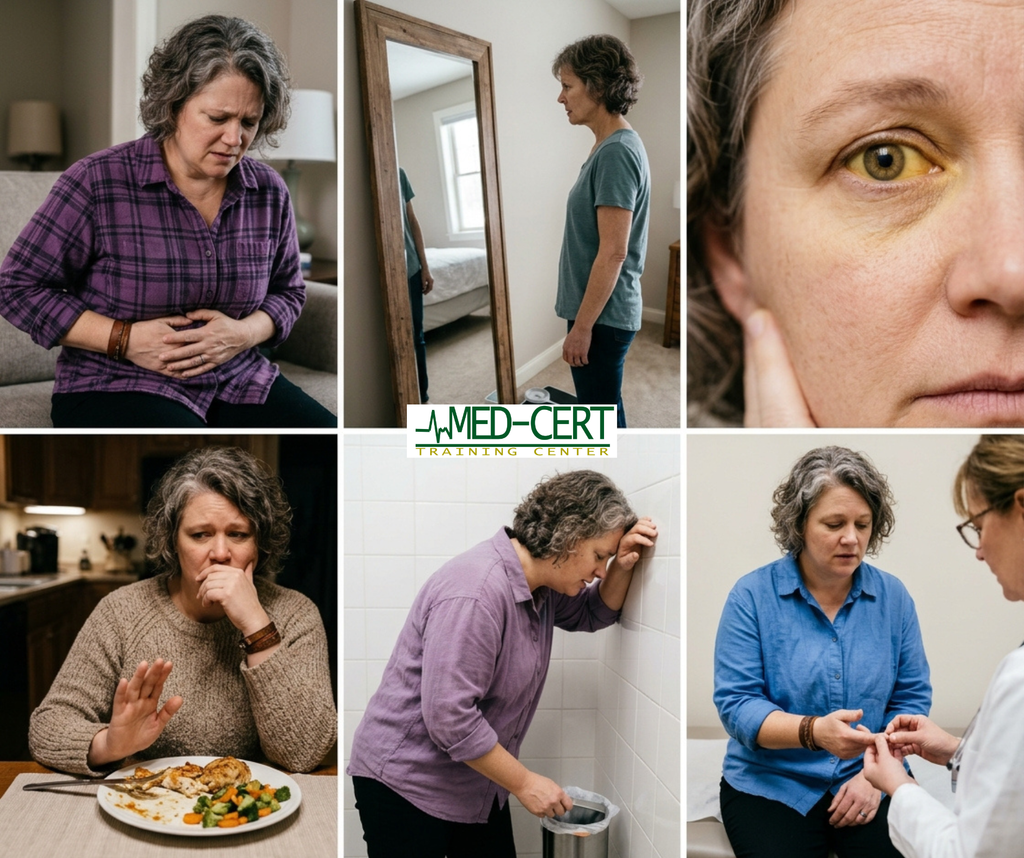
These symptoms do not always indicate pancreatic cancer, but persistent or unexplained changes should never be ignored. Seeking professional medical advice can help identify potential health concerns and determine appropriate next steps.
The Importance of Early Detection and Prevention
While there is no guaranteed way to prevent pancreatic cancer, certain lifestyle choices may help reduce the risk.
Maintaining a healthy weight, avoiding tobacco products, limiting alcohol consumption, eating a balanced diet, and staying physically active are important steps toward better overall health.
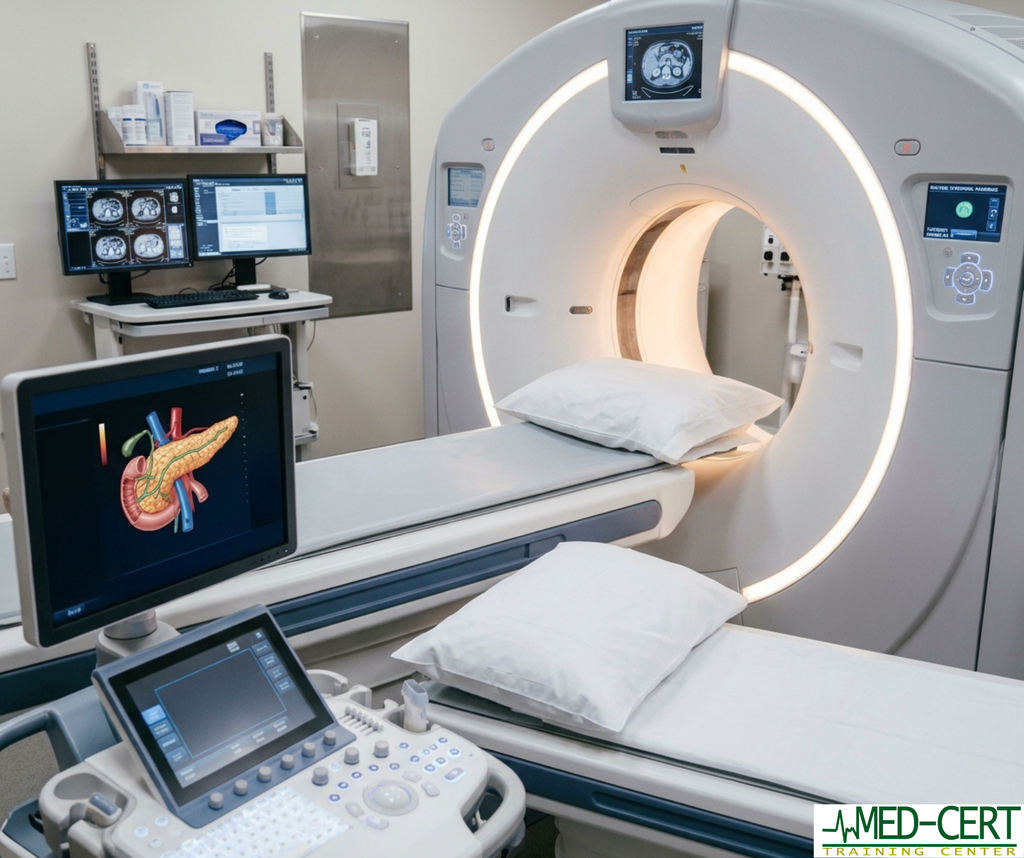
It is also essential to understand that routine pancreatic cancer screening is not recommended for everyone. Individuals with a strong family history or certain inherited genetic conditions may benefit from specialized screening programs under medical supervision.
During Pancreatic Cancer Awareness Month, encouraging open conversations about family medical history, cancer risk factors, and unusual symptoms can help promote timely evaluation and informed healthcare decisions.
How Healthcare Professionals Make a Difference
Healthcare professionals play an important role in supporting patients and families affected by pancreatic cancer.
From recognizing changes in a patient’s condition to providing emotional support and assisting with daily healthcare needs, trained medical professionals contribute to a more compassionate patient experience.

Certified Nursing Assistants (CNAs), Patient Care Technicians (PCTs), and other allied healthcare professionals help support patients through essential care responsibilities, including monitoring vital signs, assisting with mobility, maintaining patient comfort, and communicating observations to the healthcare team.
These responsibilities highlight the importance of quality healthcare training, strong communication skills, and patient-centered care.
Build Your Healthcare Career with Med-Cert Training Center
At Med-Cert Training Center, we recognize that quality healthcare begins with proper education, practical skills, and a commitment to helping others.
Whether you are exploring a new career in healthcare or looking to strengthen your professional qualifications, healthcare training and certification can help you develop the confidence needed to work in patient care environments.
Our commitment to healthcare education reflects the values emphasized during Pancreatic Cancer Awareness Month: knowledge, compassion, preparedness, and community support.
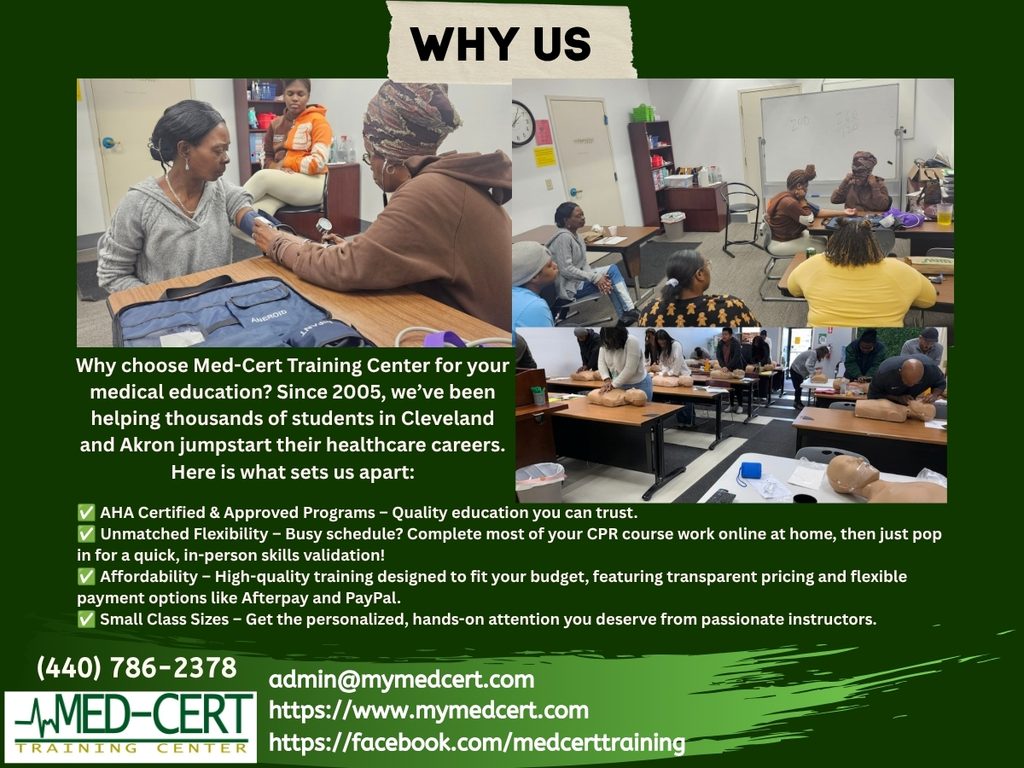
Through healthcare career training and professional development, aspiring medical professionals can build foundational skills that contribute to safe, respectful, and compassionate patient care.
A career in healthcare is more than earning a certification. It is an opportunity to make a meaningful difference in the lives of patients and their families.
Spread Awareness. Support Patients. Make a Difference.
This November, take part in Pancreatic Cancer Awareness Month by learning the warning signs, sharing reliable health information, and supporting individuals and families affected by pancreatic cancer.
Small actions, such as encouraging someone to seek medical advice or showing compassion to a patient undergoing treatment, can make a meaningful difference.

Med-Cert Training Center proudly supports healthcare awareness and the development of skilled, compassionate healthcare professionals.
Ready to take the next step toward a rewarding healthcare career? Explore the healthcare training opportunities at Med-Cert Training Center and begin building the skills to make a difference in patient care.
Together, we can raise awareness, encourage early action, and support a healthier future.