
Ovarian Cancer Awareness Month: Early Detection, Risk Factors & Treatment Options
Every September, Ovarian Cancer Awareness Month shines a spotlight on one of the most challenging women’s health issues. Known as the “silent killer,” ovarian cancer often goes undetected until it has progressed, making education, awareness, and early action essential.
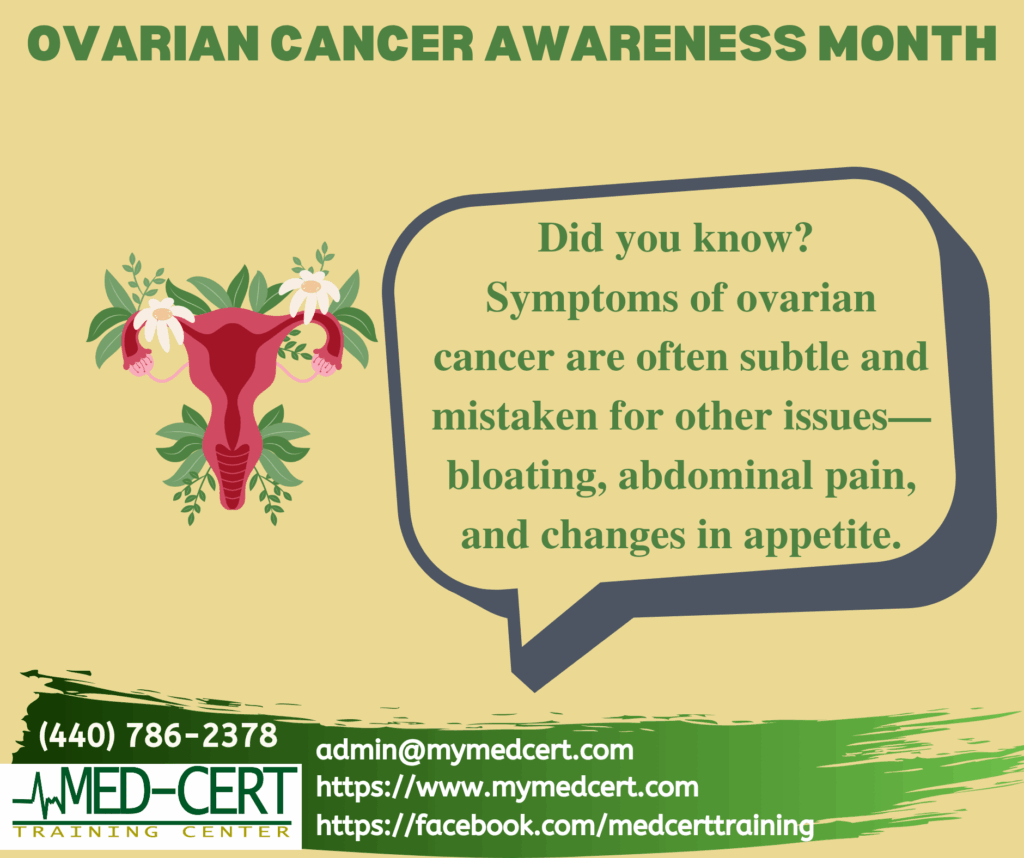
By learning about the warning signs, risk factors, and treatment options, women can empower themselves to take control of their health.
Understanding Ovarian Cancer
Ovarian cancer begins in the ovaries—small organs responsible for producing eggs and hormones. According to the American Cancer Society, ovarian cancer ranks fifth in cancer-related deaths among women, largely due to its late-stage diagnosis.

However, with early detection, the five-year survival rate increases significantly, making awareness a critical tool in saving lives.
The Importance of Early Detection
Unlike other cancers, ovarian cancer lacks an effective routine screening test. Pap smears do not detect it, which is why recognizing early warning signs is crucial. Symptoms may include:

If these symptoms persist for more than two weeks, it’s vital to consult a healthcare provider. Being proactive can make the difference between early-stage detection and a late-stage diagnosis.
Key Risk Factors
Certain factors may increase a woman’s risk of developing ovarian cancer, including:

Age:
Most cases occur after menopause.

Family history:
A genetic link, such as BRCA1 or BRCA2 mutations, raises risk.

Reproductive history:
Women who have never carried a pregnancy may be at higher risk.
Hormone therapy:
Long-term use of estrogen without progesterone can increase risk.
On the other hand, factors such as pregnancy, breastfeeding, and birth control pill use have been linked to a reduced risk of ovarian cancer.
Advances in Treatment Options
Treatment for ovarian cancer typically involves a combination of surgery and chemotherapy, tailored to the individual’s stage and health status. In recent years, targeted therapies such as PARP inhibitors and immunotherapy have offered new hope for patients.

These treatments are designed to attack cancer cells more precisely, often resulting in fewer side effects and better outcomes. Clinical trials also continue to explore innovative therapies, expanding possibilities for improved survival rates.
How You Can Raise Awareness
Supporting Ovarian Cancer Awareness Month goes beyond wearing teal ribbons. Consider:

Sharing educational resources with friends and family.

Encouraging regular checkups and open conversations about symptoms.

Donating to organizations funding ovarian cancer research.

Participating in local awareness walks and community events.
Taking Control of Your Health
While ovarian cancer remains a serious threat, knowledge is power. Women who stay informed, recognize the signs, and understand their risk factors are better positioned to advocate for their health.

By supporting awareness efforts, we not only help women today but also pave the way for stronger detection methods and treatments in the future.