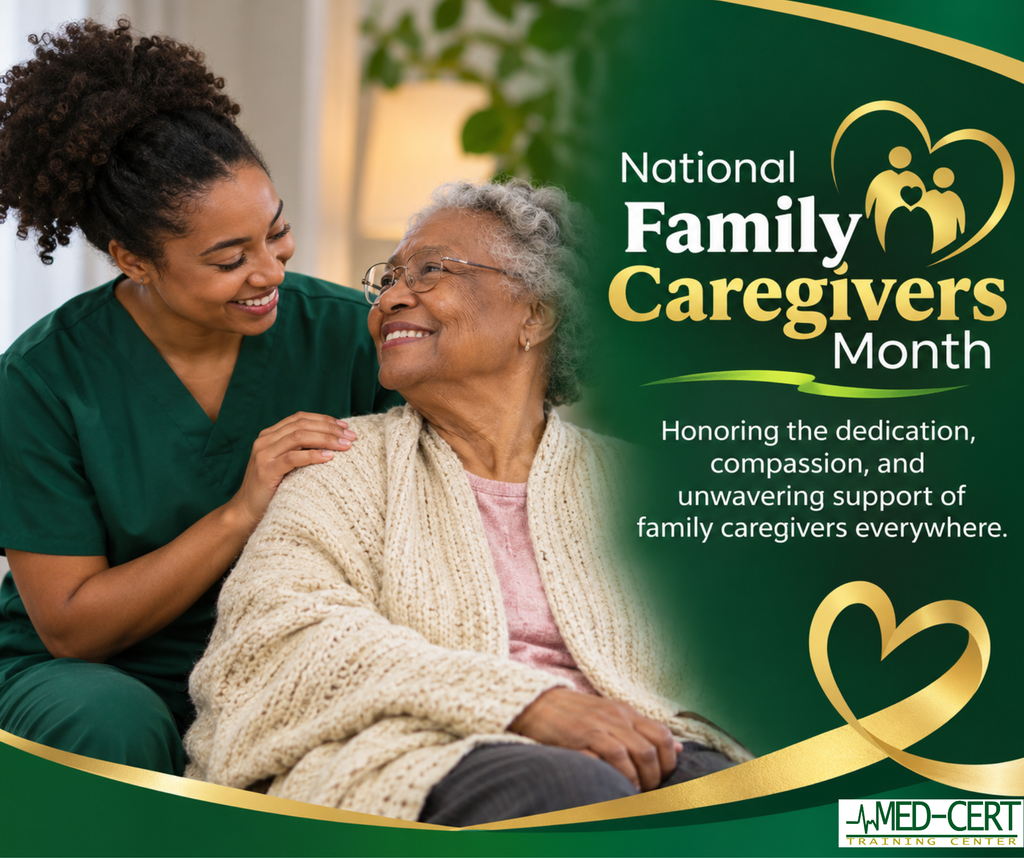
November is National Family Caregivers Month, a time to recognize the dedication, compassion, and sacrifices of millions of Americans who care for their loved ones. From assisting aging parents to supporting family members with disabilities or chronic illnesses, family caregivers play an essential role in maintaining the health, safety, and well-being of those who depend on them.
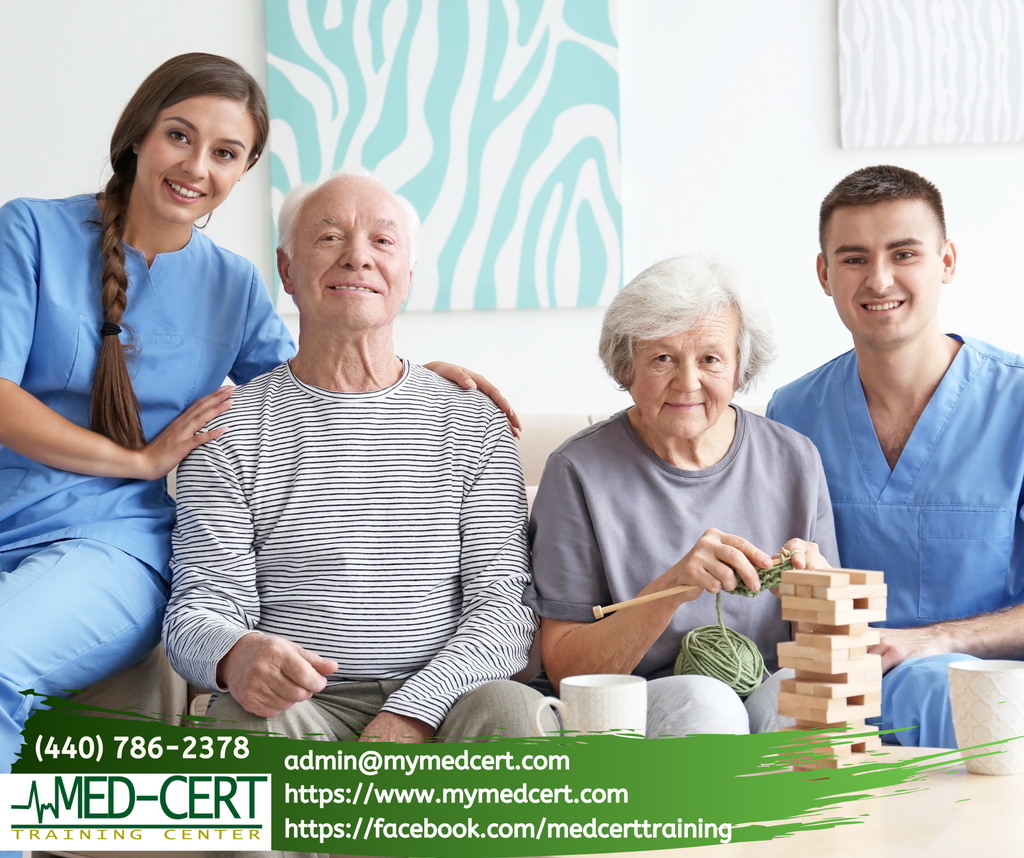
At Med-Cert, we believe that caring for others goes beyond providing daily assistance. It also means being prepared for unexpected situations. Through proper education, caregiver support, and lifesaving training, family caregivers can gain the confidence and skills needed to protect the people who matter most.
Why National Family Caregivers Month Matters
Family caregivers are the everyday heroes who provide physical, emotional, and practical support, often while balancing work, personal responsibilities, and their own health.
Their responsibilities may include managing medications, preparing meals, assisting with daily activities, coordinating medical appointments, and providing emotional comfort. While caregiving can be deeply rewarding, it can also bring physical exhaustion, emotional stress, and burnout.
National Family Caregivers Month serves as an important reminder that caregivers deserve appreciation, encouragement, and access to resources that help them continue their essential work.
Recognizing their efforts is not just about saying thank you. It is also about promoting caregiver wellness, providing meaningful support, and encouraging families and communities to share caregiving responsibilities.
5 Essential Self-Care and Safety Tips for Family Caregivers
Supporting a loved one requires patience, compassion, and preparation. Here are five practical family caregiver tips to help maintain a safe and healthy caregiving environment.
1. Make Your Own Health a Priority
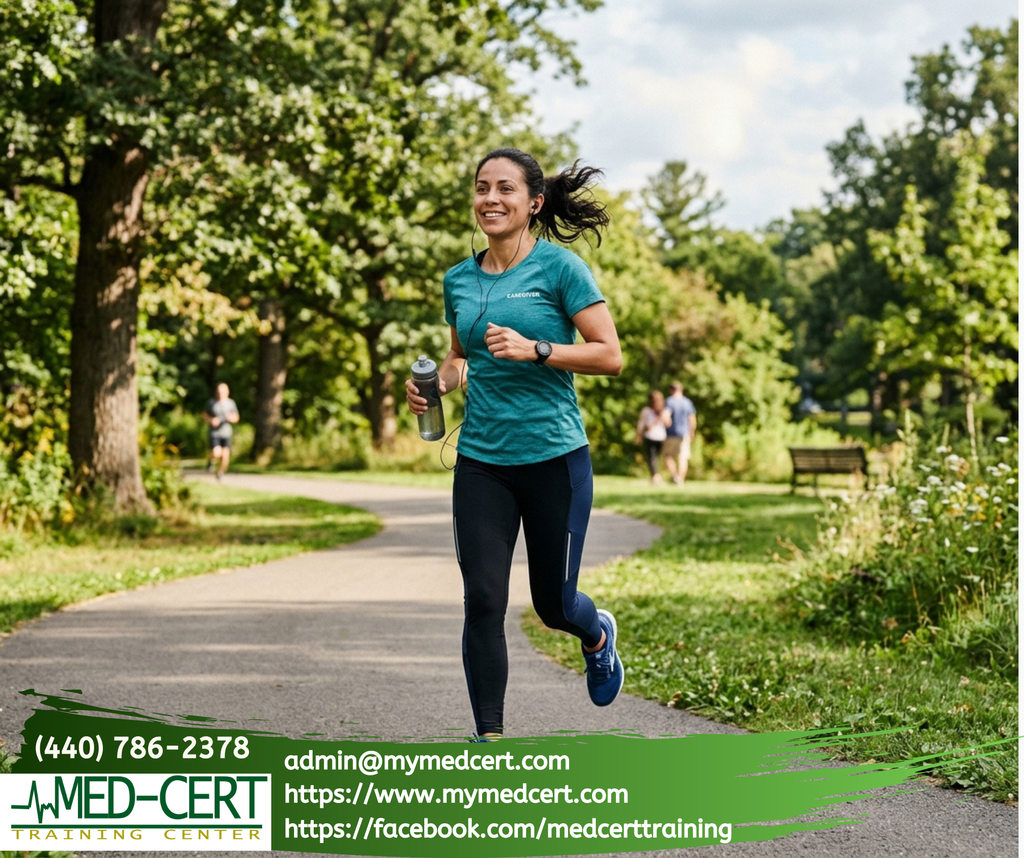
Caregivers often focus so much on others that they overlook their own needs. Getting enough rest, eating nutritious meals, staying physically active, and taking regular breaks can help reduce stress and prevent caregiver burnout.
2. Learn CPR and First Aid
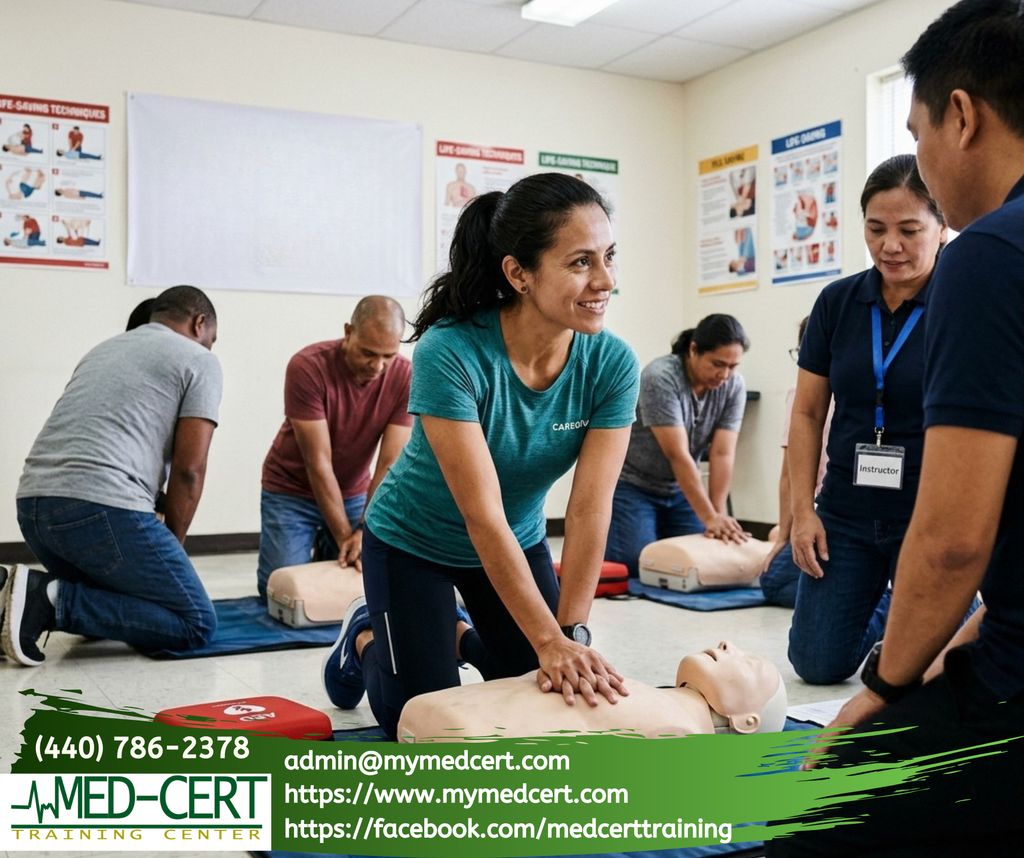
Medical emergencies can happen without warning, especially when caring for older adults or individuals with existing health conditions. Taking a CPR and first aid training course can help caregivers recognize emergencies and respond appropriately while waiting for professional medical assistance.
3. Keep Important Medical Information Organized
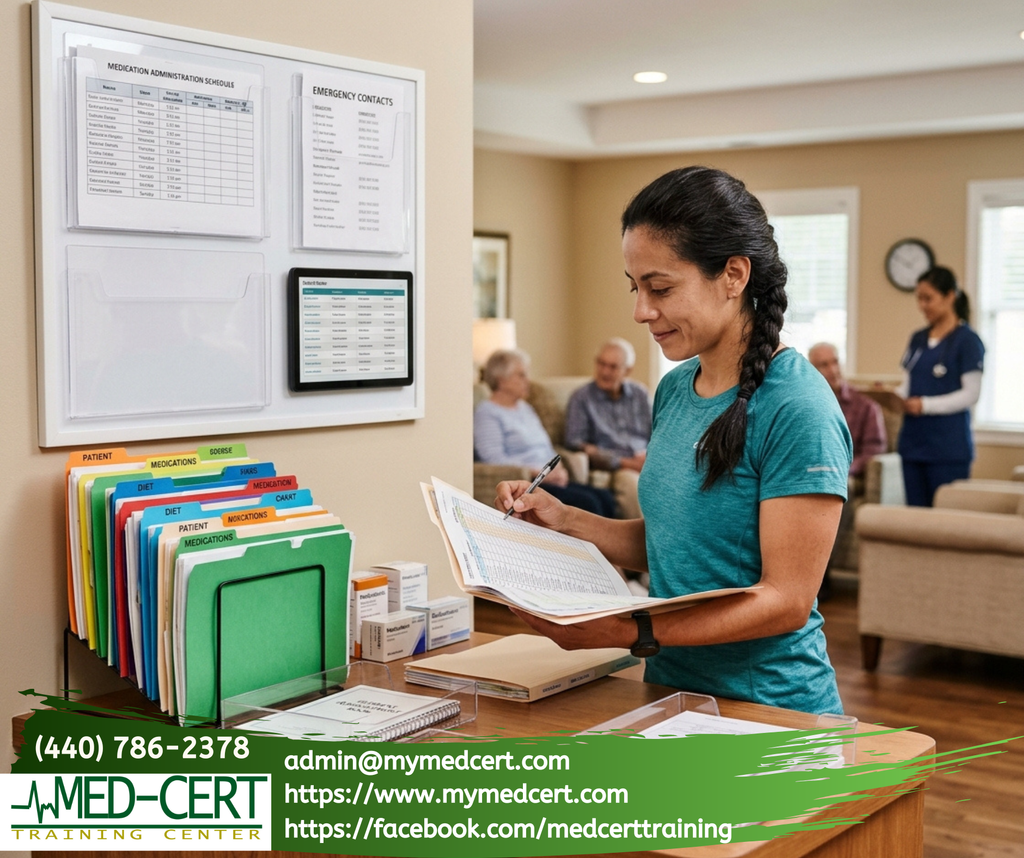
Maintain an updated list of medications, allergies, medical conditions, emergency contacts, and healthcare providers. Having this information easily accessible can help caregivers respond more efficiently during medical appointments or emergencies.
4. Build a Strong Support System
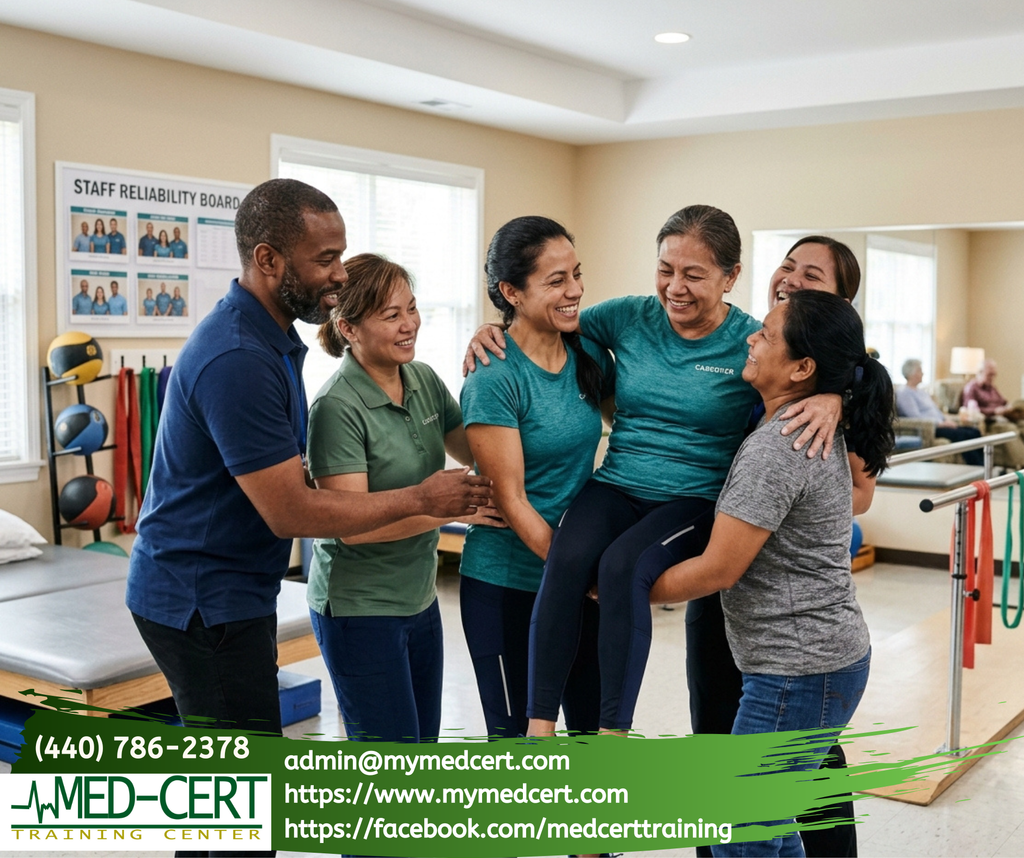
Caregiving should not have to be handled alone. Ask family members, friends, or community organizations for assistance when needed. Caregiver support groups and respite care services can also provide valuable resources and emotional encouragement.
5. Create a Safer Home Environment
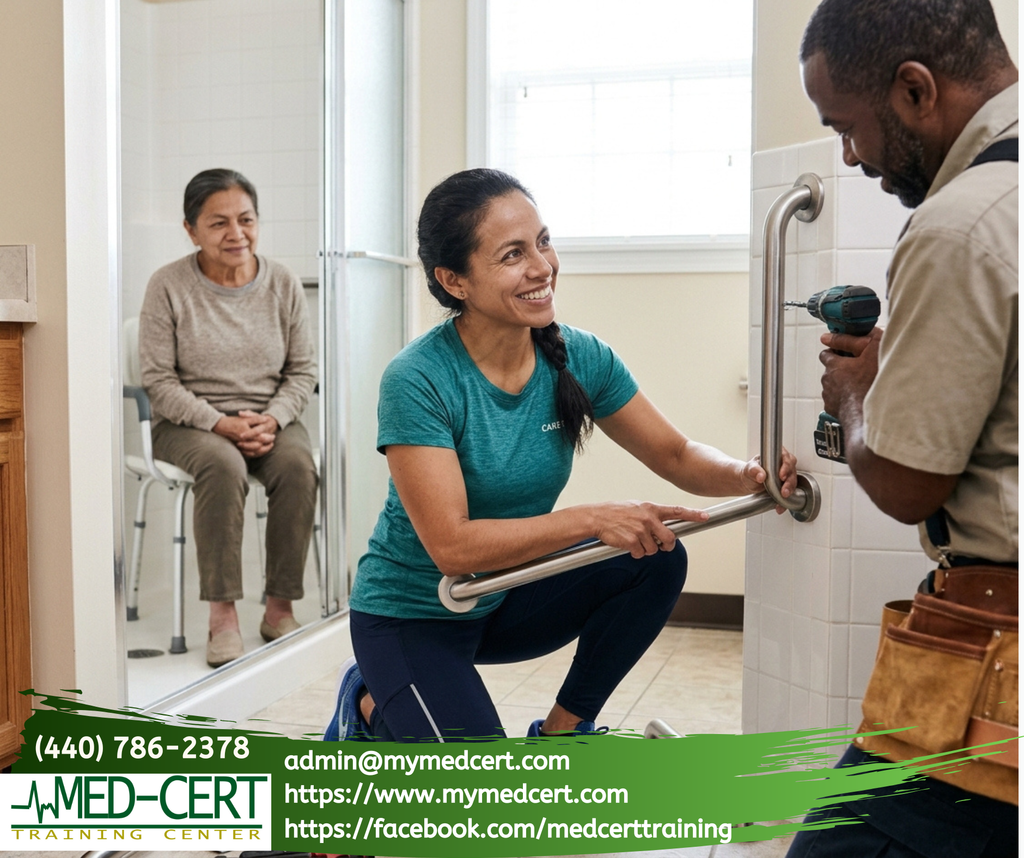
Simple home safety improvements, such as removing tripping hazards, improving lighting, installing grab bars, and keeping emergency supplies accessible, can help reduce the risk of accidents and injuries.
The Importance of CPR and First Aid Training for Caregivers
One of the most valuable ways family caregivers can prepare for emergencies is by learning lifesaving skills.
Cardiac arrest, choking, falls, and other medical emergencies can occur unexpectedly at home. Knowing how to recognize warning signs, call 911, perform CPR, and use an Automated External Defibrillator (AED) can make a critical difference while professional help is on the way.
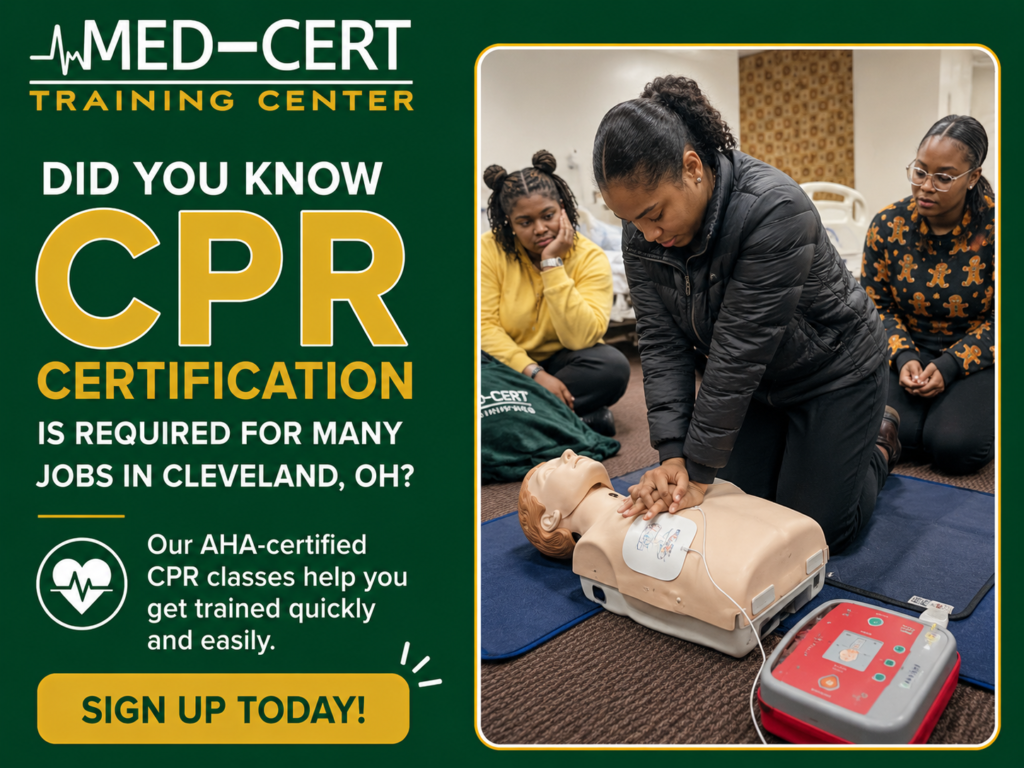
CPR training for family caregivers provides practical knowledge that can help them:
- Recognize cardiac arrest and other life-threatening emergencies.
- Perform CPR and understand proper AED use.
- Respond to choking emergencies and common injuries.
- Stay calm and take appropriate action during stressful situations.
- Feel more confident when caring for loved ones at home.
These lifesaving skills are not limited to healthcare professionals. Parents, grandparents, family members, and anyone responsible for another person’s well-being can benefit from CPR and first aid education.
How Med-Cert Helps Family Caregivers Stay Prepared
At Med-Cert, we understand that caring for a loved one comes with important responsibilities. Having the right knowledge and emergency response skills can help caregivers feel more confident and prepared in their daily roles.
Through CPR, AED, and First Aid training, Med-Cert helps individuals develop practical lifesaving skills that can be applied in real-world emergencies.
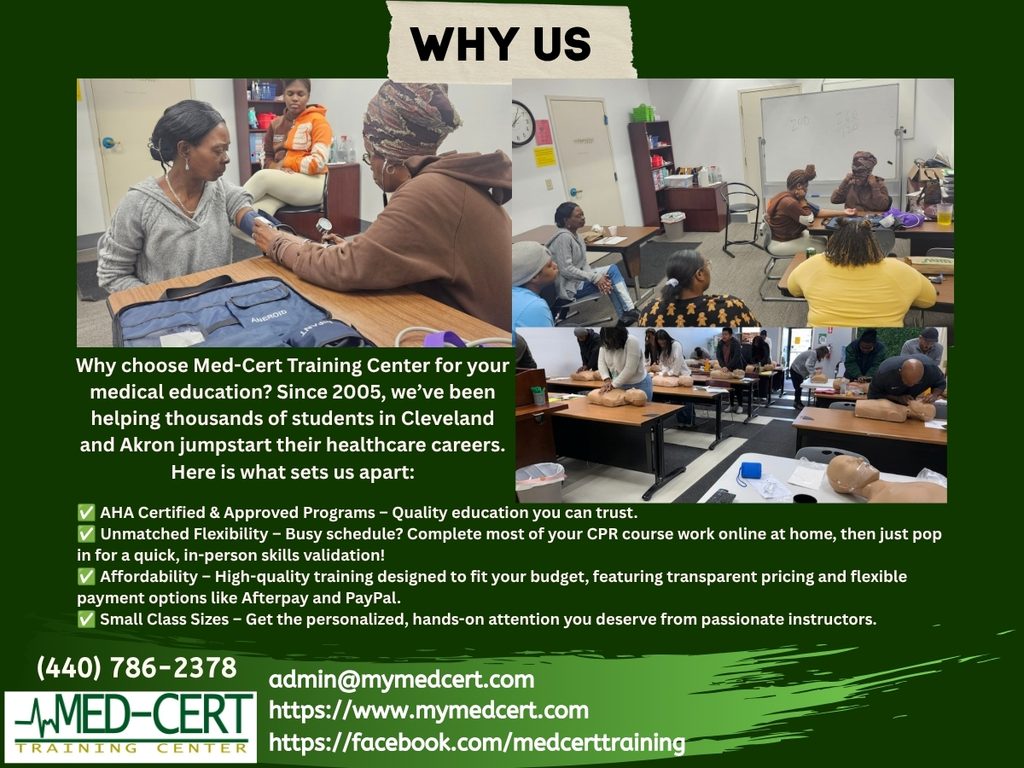
Whether you’re supporting an elderly parent, caring for a family member with a medical condition, or simply looking to improve your emergency preparedness, investing in CPR and first aid education is a meaningful step toward creating a safer home.
By empowering family caregivers with essential safety knowledge, Med-Cert supports a community where more people are prepared to respond when every second counts.
A Heartfelt Thank You to Family Caregivers
This National Family Caregivers Month, take time to recognize the people who dedicate their days to caring for others. Whether through a thoughtful message, a helping hand, or simply offering someone a much-needed break, small acts of appreciation can make a meaningful difference.
For family caregivers, remember that your well-being matters, too. Seeking support, practicing self-care, and learning lifesaving skills can help you continue providing compassionate care while protecting your own health.

At Med-Cert, we celebrate the dedication of every family caregiver and remain committed to promoting lifesaving education that helps families and communities stay safer.
This November, honor those who care by supporting their well-being and encouraging lifesaving preparedness.
Get CPR and First Aid trained with Med-Cert today! Build the skills and confidence to help protect your loved ones when it matters most.