
Mental health equity remains a crucial yet often overlooked aspect of healthcare. Minority communities consistently encounter barriers that limit their access to effective mental health services, exacerbating disparities and prolonging suffering.
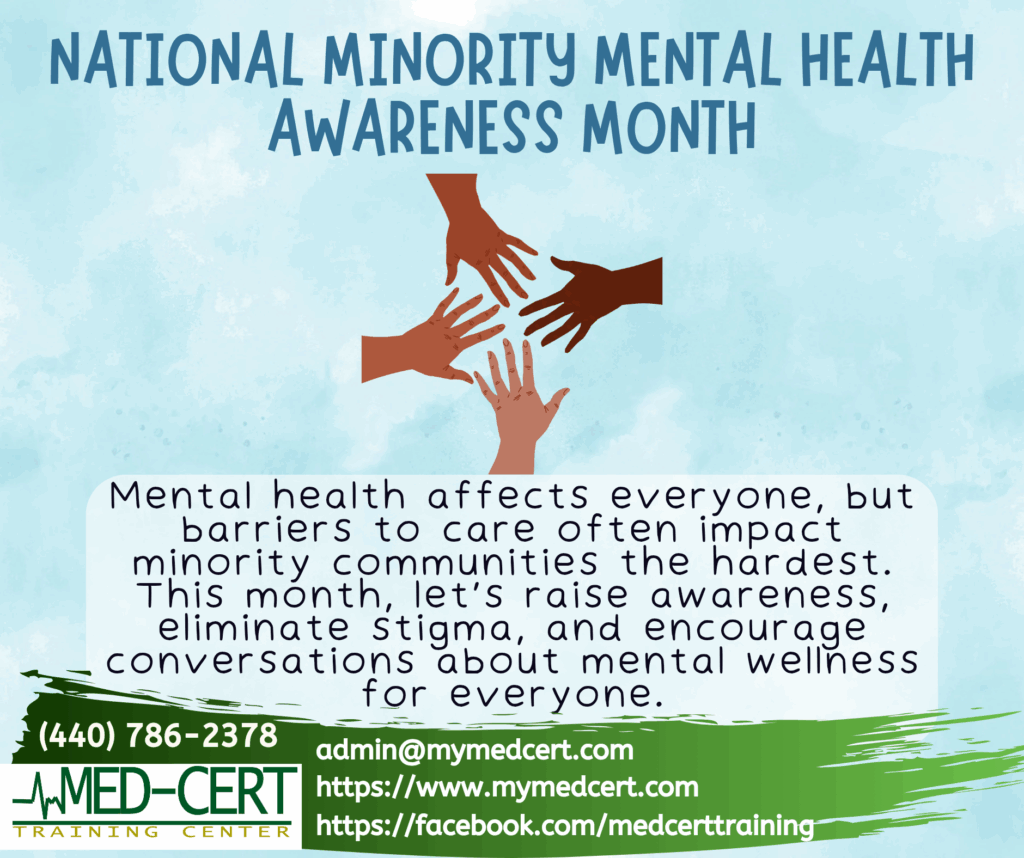
Understanding these obstacles and proactively building inclusive support systems can profoundly impact individuals and communities, promoting wellness and equity.
Understanding the Barriers to Mental Health Equity
Minority communities often face distinct challenges accessing mental health services, including cultural stigma, language barriers, financial constraints, and limited availability of culturally competent providers.

These factors collectively deepen the mental health disparities, significantly affecting the well-being of these communities.
Cultural stigma around mental health frequently discourages people from seeking help.

Many individuals fear judgment from family members or communities, believing that mental illness is a personal weakness rather than a treatable condition.
Language barriers also pose significant hurdles.

Limited English proficiency can hinder communication between patients and providers, leading to misdiagnosis, inadequate treatment, or disengagement from necessary care.
Financial constraints further compound these issues, as many minority groups disproportionately face economic hardships.

Mental health services can be expensive, and without insurance coverage or financial aid, necessary care becomes inaccessible.
Building Inclusive Support Systems
To address these barriers, healthcare providers, policymakers, and community leaders must collaborate to build robust, culturally sensitive mental health support systems.
Promoting Cultural Competence:
Healthcare providers should receive training in cultural competence, equipping them to understand and address the unique cultural contexts of minority communities.

Providers trained in cultural sensitivity can better engage with patients, reduce stigma, and foster trust.
Enhancing Language Accessibility:
Investing in interpreter services and multilingual mental health resources ensures clear communication between providers and patients.

This promotes accurate diagnoses and effective treatment, making mental healthcare more accessible.
Expanding Affordable Services:
Increasing funding and subsidies for mental health services can significantly enhance access.

Community health centers, sliding scale fees, and government-backed programs can provide necessary care to underserved populations, irrespective of their financial status.
Real-world Impact: Stories of Progress
In Los Angeles, a community mental health initiative successfully bridged service gaps by training local residents as mental health advocates.
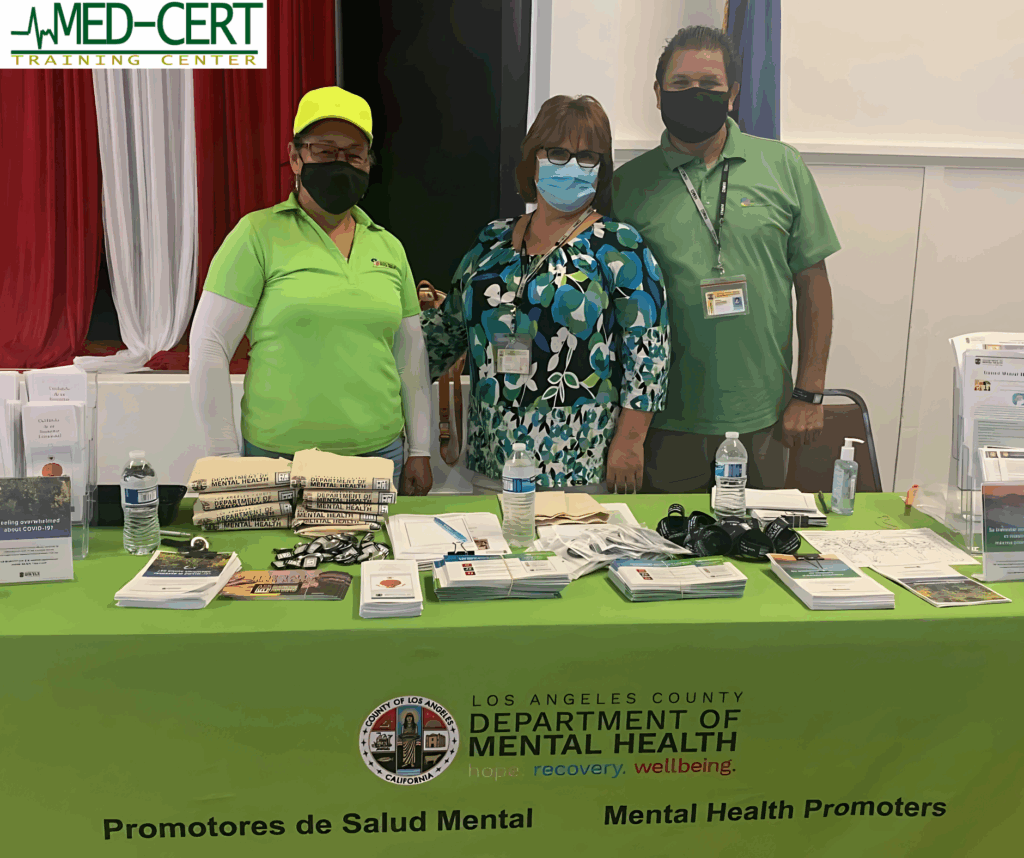
These advocates provided culturally tailored support and resources, significantly increasing engagement and reducing stigma within diverse neighborhoods.
Similarly, New York implemented comprehensive interpreter programs within hospitals, dramatically improving patient outcomes by ensuring culturally sensitive and linguistically appropriate care.
Actionable Tips for Promoting Mental Health Equity
Advocate for Policy Changes:
Engage with local representatives to advocate for funding and policies supporting mental health equity.

Community Engagement:

Foster partnerships with community-based organizations to provide culturally relevant education and resources.
Education and Awareness:
Regularly conduct workshops and awareness campaigns to destigmatize mental health issues and promote available support services.

Addressing barriers to mental health equity requires intentional, informed, and inclusive strategies.

By understanding and dismantling these obstacles, we can build supportive environments that ensure equitable mental health care for minority communities, fostering healthier, more resilient populations.
Read more of our other blog posts here:
References:
https://dmh.lacounty.gov/mental-health-resources/united-mental-health-promoters
https://www.nychealthandhospitals.org/metropolitan/patients-visitors/interpreter-services/