Changing the Narrative: Open Conversations for Suicide
September is Suicide Prevention Awareness Month, a critical time to shed light on a topic often surrounded by silence, fear, and stigma. Suicide remains one of the leading causes of preventable death worldwide, and yet conversations around mental health are too often avoided.
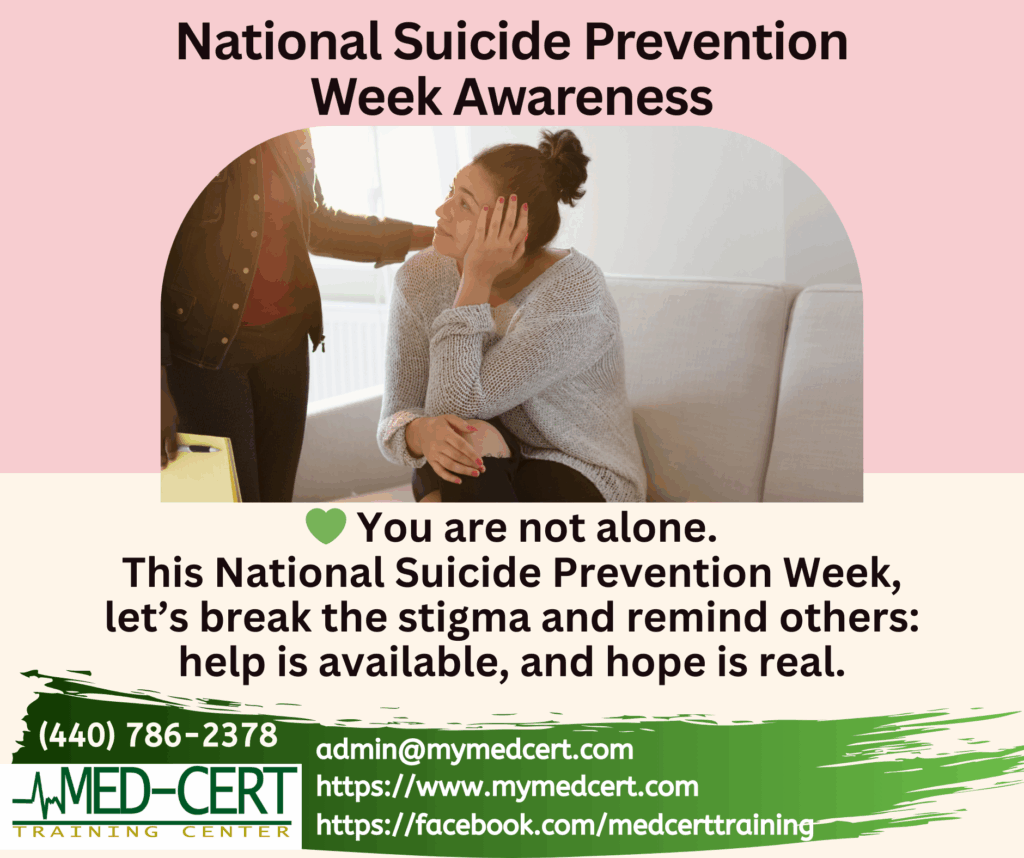
By changing the narrative and encouraging open conversations, we can create supportive environments where individuals feel safe to seek help before reaching a crisis point.
Breaking the Stigma Around Suicide
For decades, discussions about suicide have been hushed, leading many to believe it is a taboo subject. This silence perpetuates shame and discourages those struggling from speaking up.

However, research shows that open, nonjudgmental dialogue can reduce stigma and increase awareness about warning signs. By normalizing conversations about mental health, communities can help identify individuals at risk and connect them with resources early.
Why Open Conversations Matter
When people feel safe to share their experiences, they are less likely to suffer in silence.

Open conversations create empathy, deepen understanding, and remind us that mental health struggles are not signs of weakness but human experiences that deserve compassion.
Talking openly about suicide can:

Identify warning signs early such as withdrawal, hopelessness, or sudden mood changes.

Encourage help-seeking behaviors by showing that it is okay to reach out for professional support.

Build stronger support systems through family, friends, and community resources.
Recognizing the Warning Signs
Understanding what to look for is a vital step in suicide prevention. Common warning signs include:

Expressing feelings of being a burden

Talking about death or wanting to end life

Withdrawing from loved ones

Loss of interest in activities once enjoyed

Sudden improvement in mood after a period of depression (which can sometimes signal a decision to act)
Recognizing these behaviors allows communities and loved ones to step in with empathy and guide individuals toward professional help.
The Role of Healthcare and Education
Healthcare professionals, educators, and organizations play a vital role in creating safe spaces for dialogue. Training in suicide prevention and mental health first aid equips people with the tools to respond effectively.
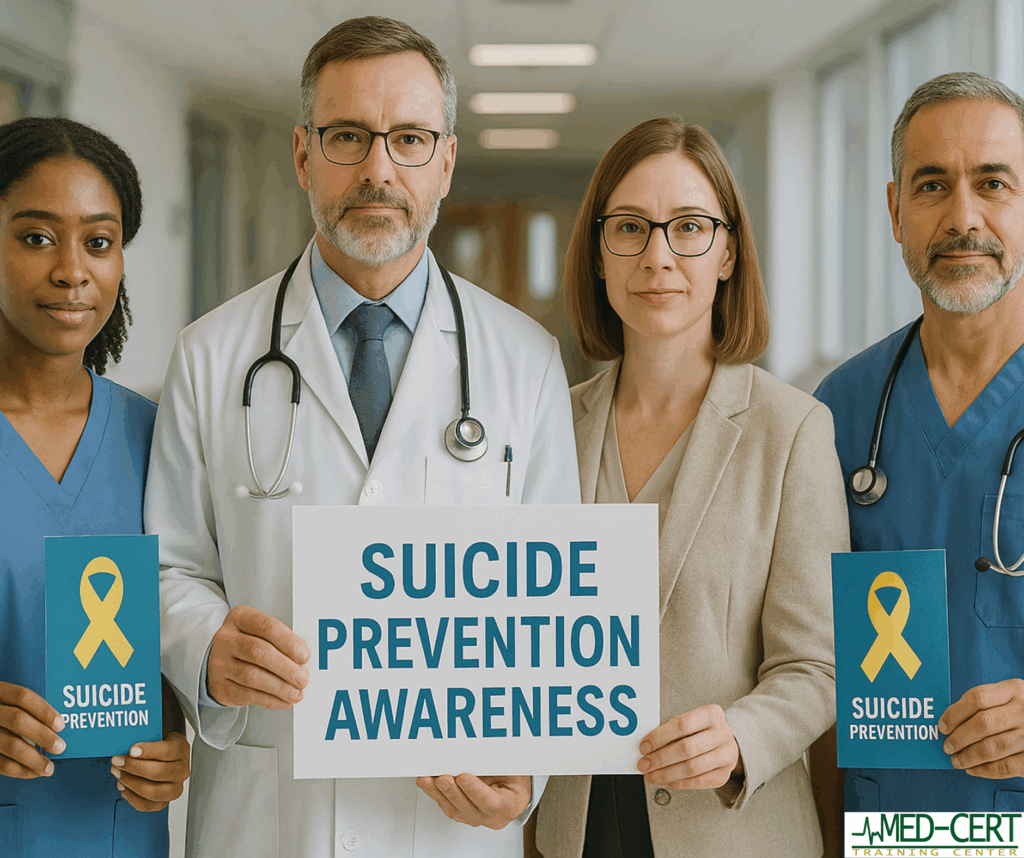
At Med-Cert Training Center, we emphasize the importance of education in healthcare roles—from nursing assistants to phlebotomy technicians—because professionals often serve as the first line of support in identifying those at risk.
Suicide prevention begins with conversation. By speaking openly, listening without judgment, and connecting individuals with the right resources, we can help save lives. This Suicide Prevention Awareness Month, let’s commit to changing the narrative—because every voice matters, and every life is worth protecting.