When most people think of Alzheimer’s disease, they picture someone who forgets names, misplaces keys, or repeats stories. While memory loss is one of the hallmark symptoms, Alzheimer’s is far more complex and devastating. It’s a progressive, degenerative brain disorder that affects every aspect of a person’s life—and the lives of those around them.
As a healthcare certification platform, Med-Cert Training Center understands the importance of education and awareness. Whether you’re a caregiver, a clinician, or simply someone who wants to understand the full scope of the disease, here’s what everyone should know about Alzheimer’s beyond memory loss.
Alzheimer’s Affects More Than Memory
Alzheimer’s disease doesn’t just erase memories—it alters behavior, impairs judgment, and erodes personality over time. As the disease progresses, individuals may struggle with:
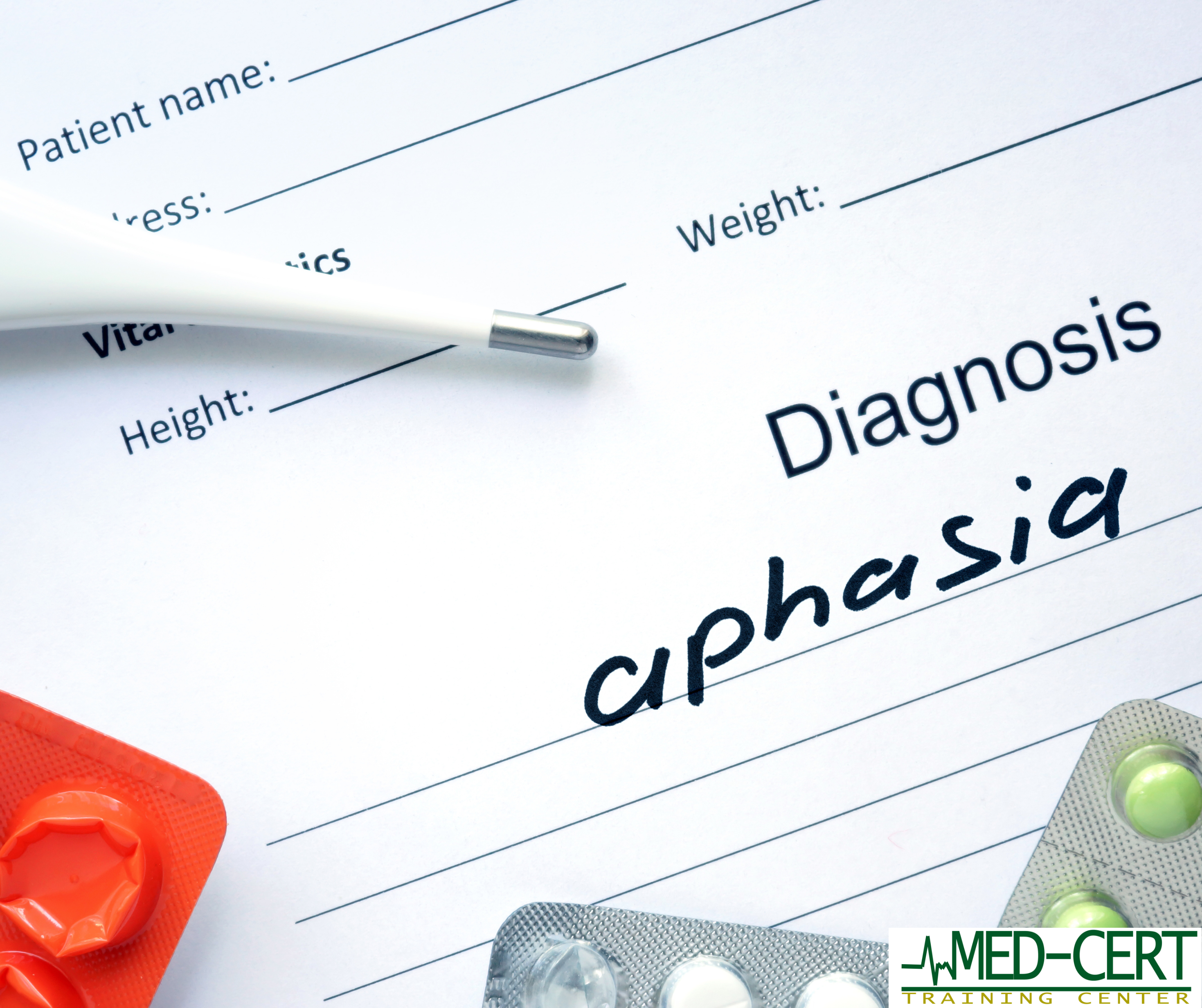
Language difficulties (aphasia):
Trouble finding words, completing sentences, or following conversations.

Disorientation:
Getting lost in familiar places, confusion about dates and times.

Executive dysfunction:
Inability to plan, make decisions, or carry out daily tasks.

Mood and personality changes:
Increased irritability, depression, apathy, paranoia, or aggression.

Motor and sensory issues:
Problems with coordination, balance, and visual-spatial awareness.
*By the later stages, many patients lose the ability to walk, speak, or swallow, making round-the-clock care essential.
It’s the Most Common Form of Dementia
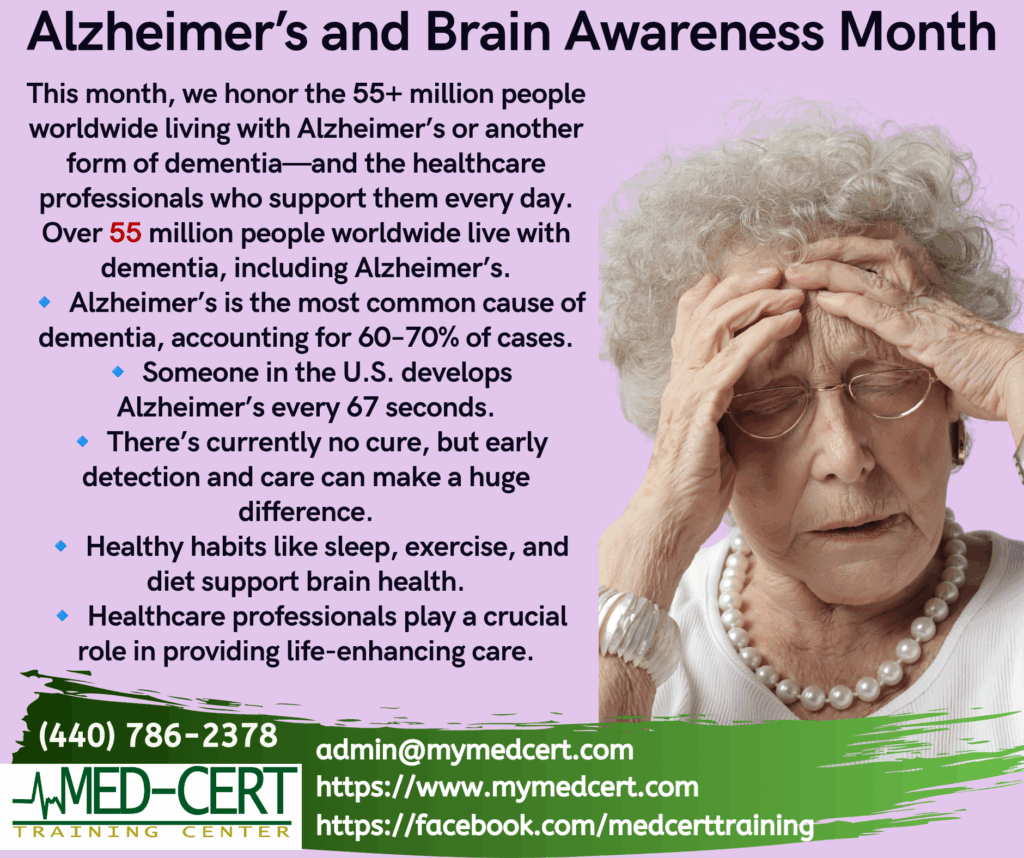
Alzheimer’s accounts for 60-80% of all dementia cases. According to the Alzheimer’s Association, more than 6 million Americans live with the disease—a number projected to double in the coming decades.

With an aging population, the healthcare system faces mounting pressure to address the growing need for trained professionals who understand the disease’s complexity.
Risk Factors Go Beyond Age
While aging is the strongest known risk factor, Alzheimer’s is not a normal part of getting older. Genetics, lifestyle, and environmental factors all play a role. Key risks include:

*Understanding these risk factors opens the door to prevention strategies, early detection, and better long-term outcomes.
Early Detection Matters
The earlier Alzheimer’s is diagnosed, the more options patients and families have to plan, manage symptoms, and participate in clinical trials. Tools like cognitive assessments, neurological exams, and brain imaging can help detect subtle changes even before major symptoms emerge.
As awareness grows, so does the emphasis on early intervention—both pharmacological and lifestyle-based. Treatments like cholinesterase inhibitors and new monoclonal antibodies offer modest benefits, but they’re most effective in early stages.
Caregiving Is a Full-Time Job
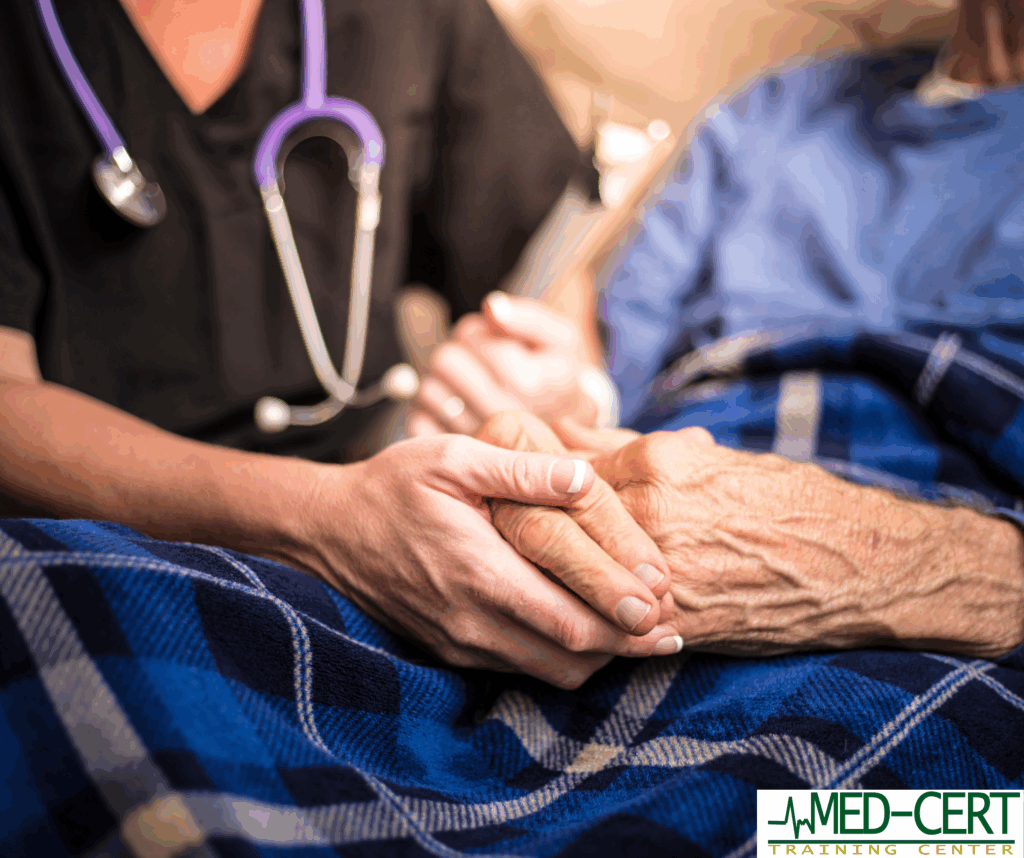
Caring for someone with Alzheimer’s is physically and emotionally taxing. Most caregivers are family members, many of whom provide unpaid care while juggling work and other responsibilities. Over time, burnout, depression, and financial strain are common.

This is where trained healthcare professionals make a critical difference. Certified nursing assistants, home health aides, and dementia care specialists can provide the structured support that families need—both in clinical settings and at home.
Training for the Future
At Med-Cert Training Center, we believe in preparing healthcare workers not just to treat Alzheimer’s, but to understand it fully. That includes empathy, patience, and cultural competence alongside clinical skills. As new treatments and care models emerge, ongoing education will be essential.
If you’re in healthcare or considering entering the field, now is the time to gain the knowledge and credentials to make a real difference in the lives of those affected by Alzheimer’s.
Alzheimer’s disease is more than memory loss—it’s a slow, heartbreaking unraveling of identity, independence, and connection. The more we understand the full scope of the disease, the better equipped we are to support those living with it and their caregivers.
Knowledge is power—and at Med-Cert Training Center, we’re here to empower the next generation of compassionate, competent healthcare professionals.