Breast Cancer Awareness Month: Early Detection Matters
Every October, Breast Cancer Awareness Month brings people across the United States together to raise awareness about breast cancer, encourage early detection, support those affected by the disease, and honor survivors and those we have lost.
Breast cancer is one of the most commonly diagnosed cancers among women in the United States. While advances in screening, diagnosis, and treatment have improved outcomes for many patients, continued education and access to appropriate healthcare remain essential.
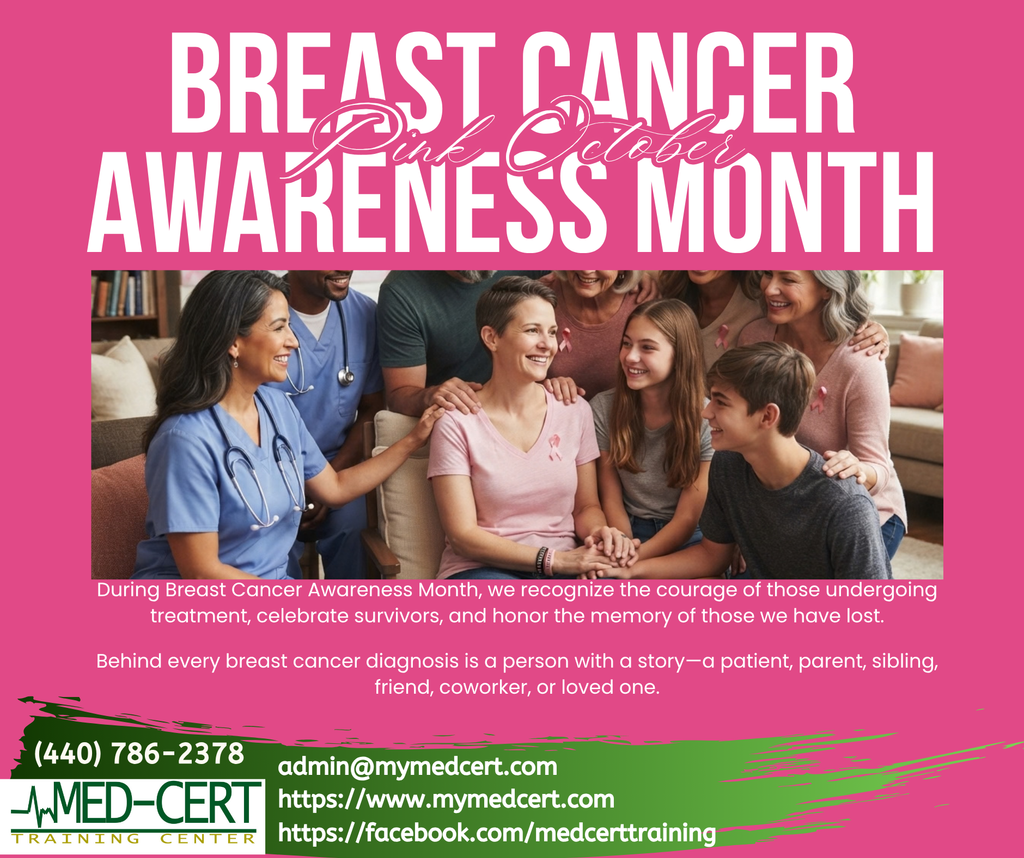
Breast Cancer Awareness Month is an opportunity to learn more about the disease, understand potential warning signs, and encourage the people in our lives to take an active role in their health.
Understanding Breast Cancer
Breast cancer develops when abnormal cells in the breast begin to grow uncontrollably. Although breast cancer occurs primarily in women, men can develop the disease as well.
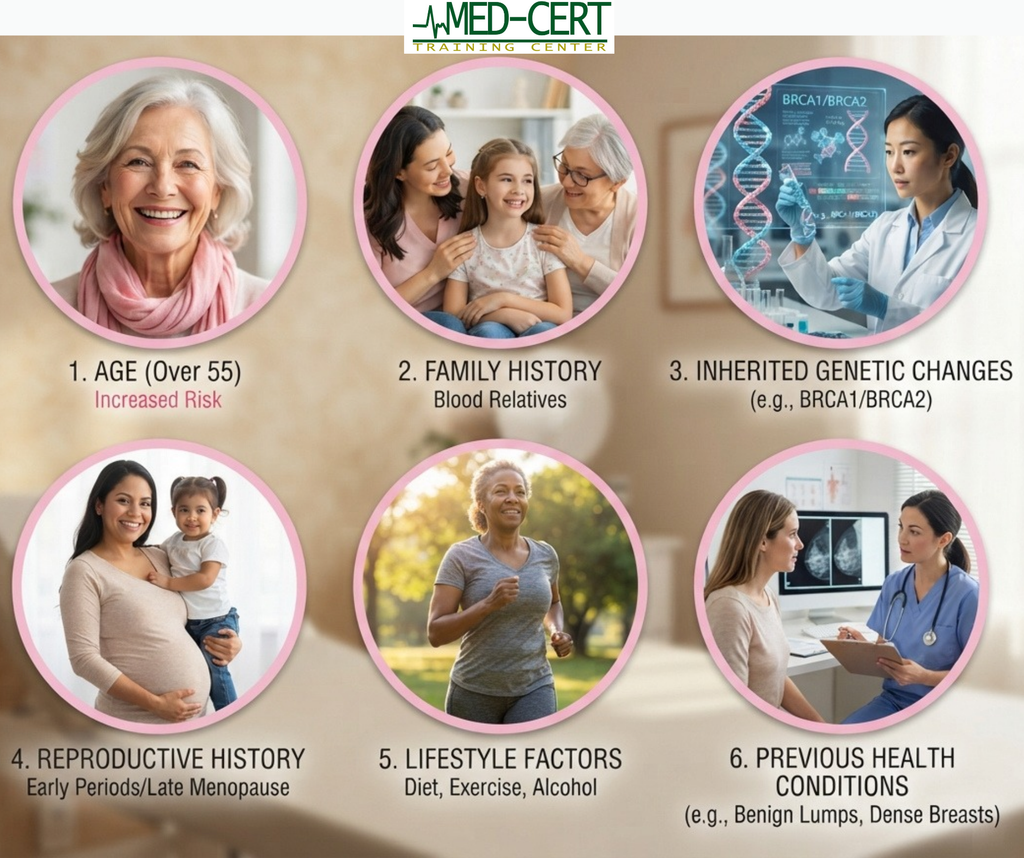
Several factors may affect a person’s risk, including age, family history, inherited genetic changes, reproductive history, lifestyle factors, and previous health conditions. Having one or more risk factors does not necessarily mean someone will develop breast cancer, which is why awareness and conversations with healthcare professionals are important.
Know the Possible Warning Signs
Breast cancer does not always cause noticeable symptoms in its early stages. When changes do occur, they can vary from person to person.
Possible warning signs may include a new lump in the breast or underarm, changes in the size or shape of the breast, skin dimpling or irritation, nipple changes, unusual nipple discharge, or persistent pain in the breast or nipple area.
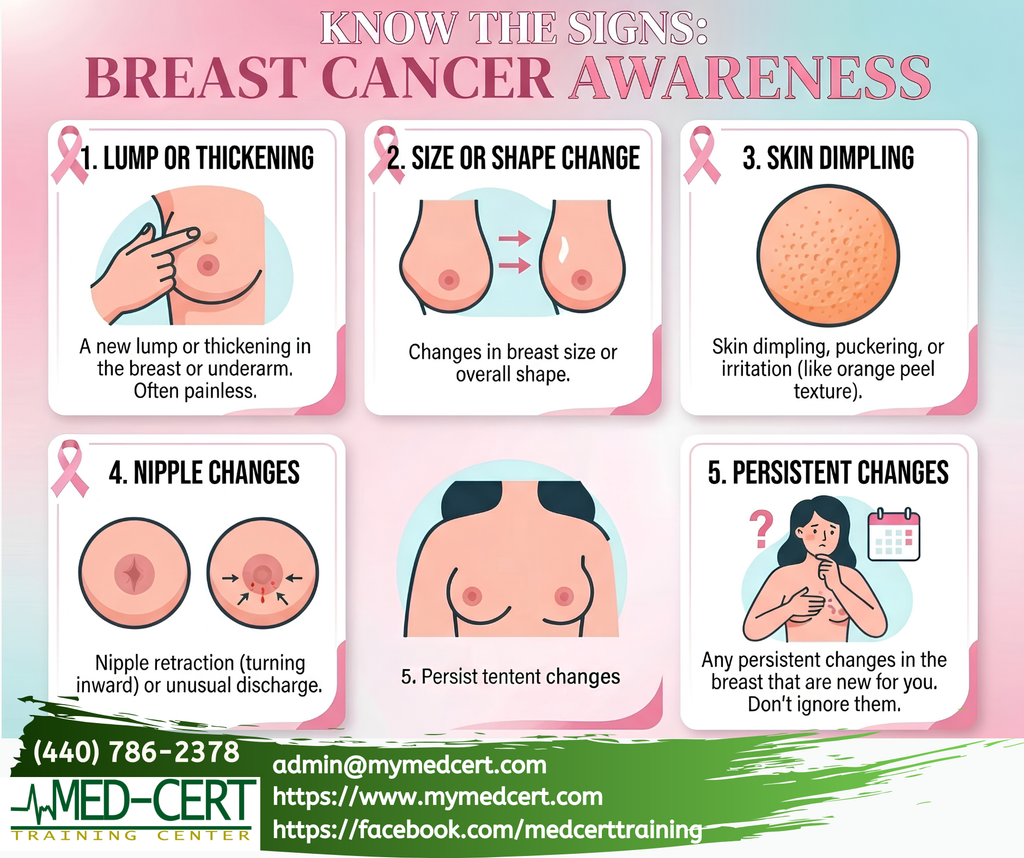
Not every breast change is cancer. However, unusual or persistent changes should be discussed with a qualified healthcare professional.
The Importance of Breast Cancer Screening
Early detection can make a significant difference in breast cancer treatment and outcomes. Mammograms are an important screening tool because they can sometimes identify breast cancer before symptoms develop.
Screening recommendations can vary based on age, individual risk factors, family history, and medical history. Rather than relying on a one-size-fits-all approach, individuals should talk with their healthcare providers about when breast cancer screening should begin and how often it may be appropriate.
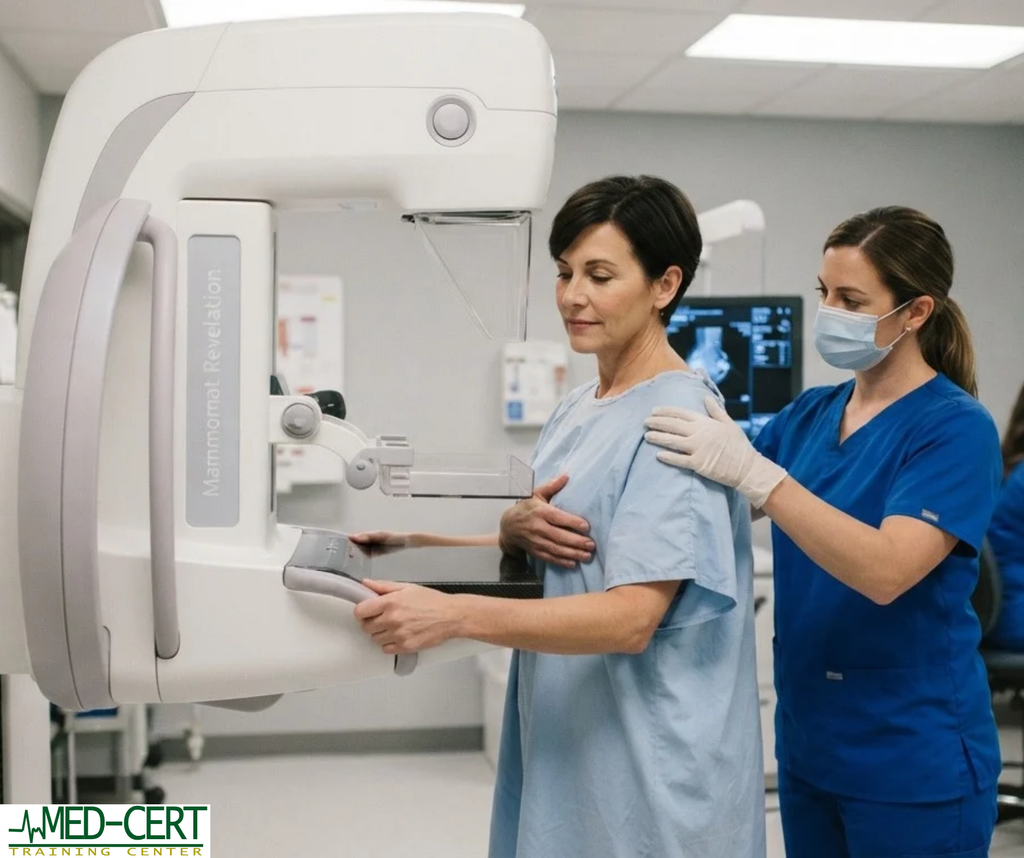
People with a strong family history of breast or ovarian cancer or certain inherited genetic mutations may also need additional screening or genetic counseling.
Supporting People Living With Breast Cancer
A breast cancer diagnosis can affect much more than physical health. Treatment, recovery, appointments, and changes in daily routines can create emotional, practical, and financial challenges for patients and their families.
Support can take many forms. Checking in regularly, helping with meals or transportation, accompanying someone to appointments, or simply listening can make a meaningful difference.

Breast Cancer Awareness Month also reminds us to celebrate survivors while recognizing that every person’s experience with breast cancer is different.
Med-Cert and Breast Cancer Care
For individuals undergoing breast cancer treatment or recovering from surgery, certain medical equipment and supplies may play an important role in supporting comfort, safety, mobility, and independence at home.
Med-Cert is committed to helping eligible patients access medically necessary durable medical equipment and supplies prescribed by their healthcare providers. Depending on an individual’s condition and coverage, these may include mobility aids and other equipment that can help make everyday activities more manageable during treatment or recovery.
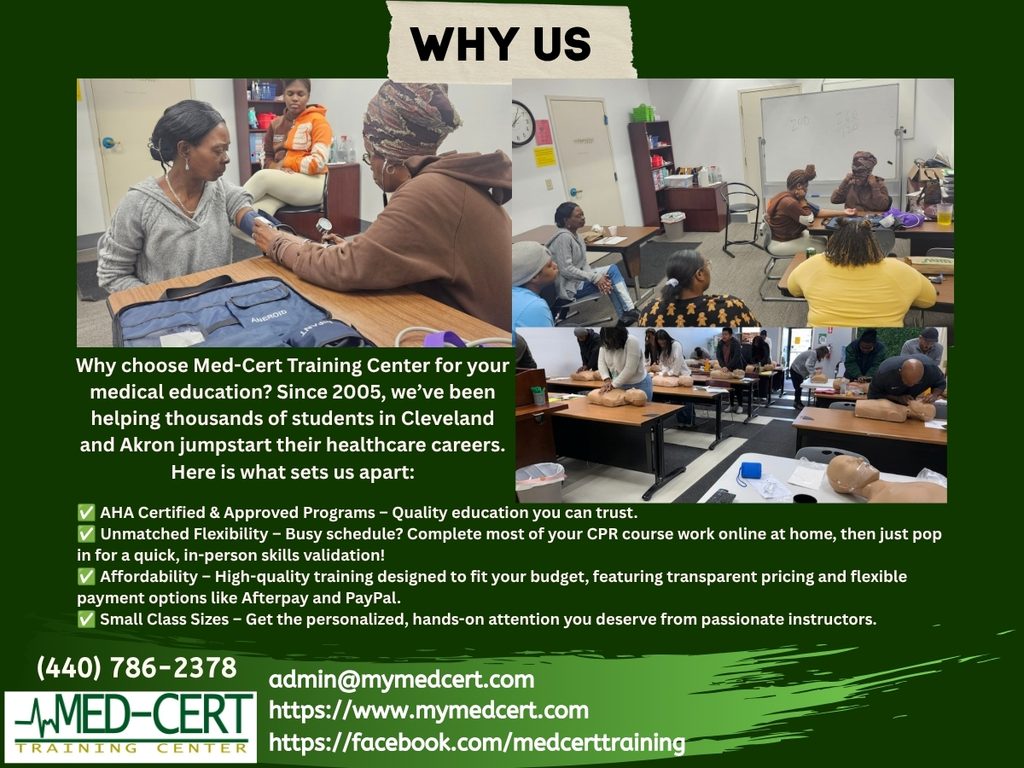
Navigating healthcare needs can already feel complicated during a serious illness. Med-Cert works to make the process of obtaining qualifying medical equipment easier by helping patients understand their options and coordinating necessary documentation when applicable.
Take Action This October
This Breast Cancer Awareness Month, take a moment to learn about your personal risk factors, become familiar with possible warning signs, and speak with your healthcare provider about appropriate screening.
You can also make a difference by supporting someone going through treatment, sharing reliable breast cancer information, or participating in awareness and fundraising activities in your community.
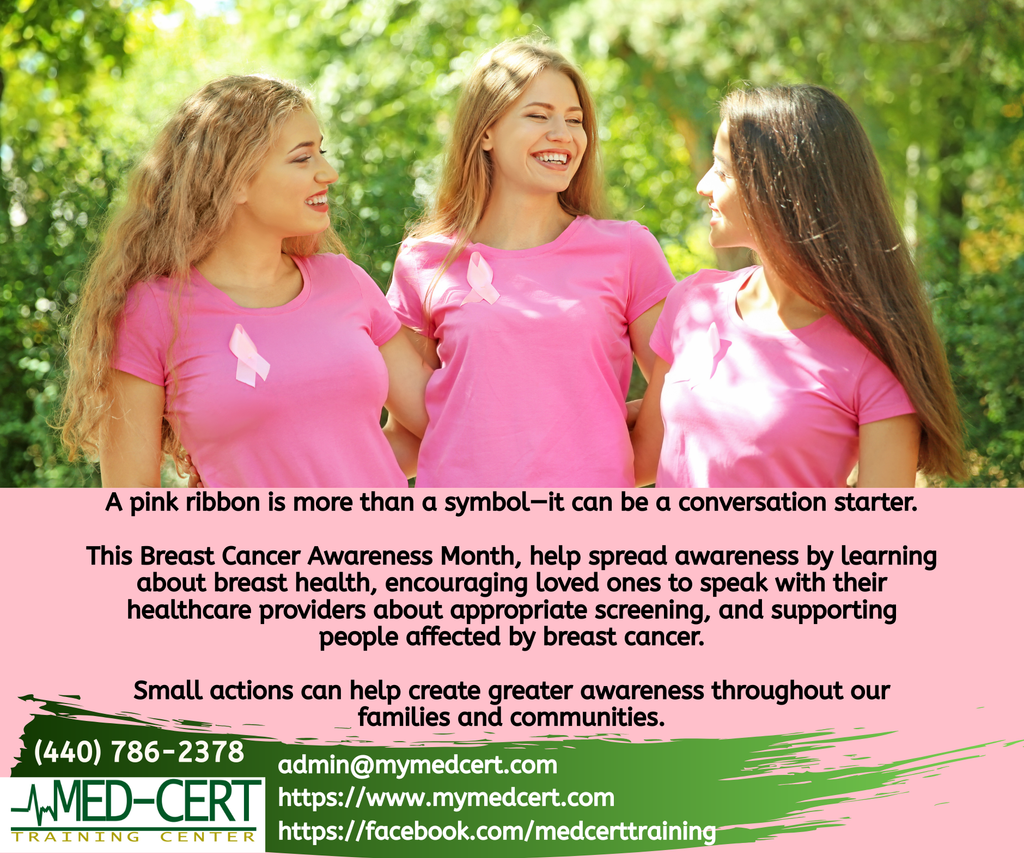
Awareness alone cannot prevent every case of breast cancer, but greater knowledge, timely screening, appropriate medical care, and strong support can help people take meaningful steps toward protecting their health.