World Heart Day: Take Steps Toward a Healthier Heart
Every year on September 29, World Heart Day brings attention to cardiovascular health and encourages people to take steps to protect their hearts. In the United States, heart health remains an important public health concern, making this global awareness day a valuable opportunity to learn about risk factors, recognize warning signs, and build healthier habits.
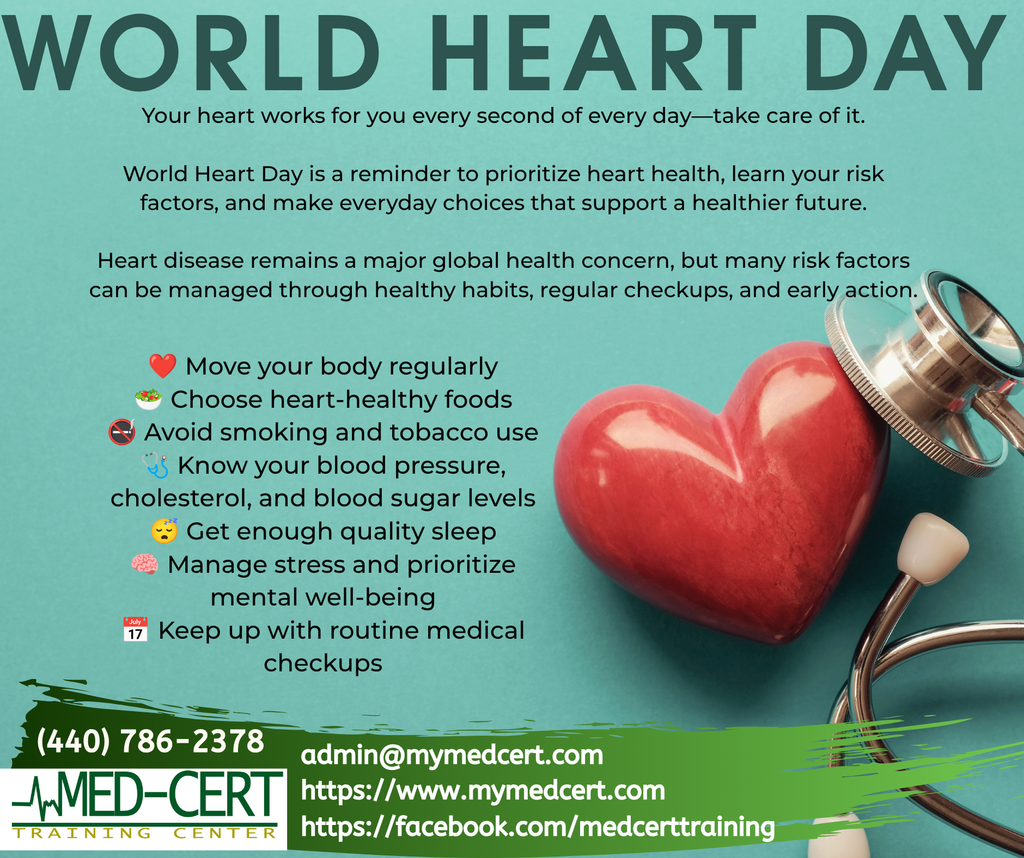
Your heart works around the clock, pumping blood and oxygen throughout your body. Taking care of it can support not only cardiovascular health but also your overall well-being and quality of life.
Understanding Heart Disease
Heart disease refers to several conditions that affect the heart and blood vessels. Coronary artery disease is one of the most common types and can increase the risk of a heart attack.
Several factors may contribute to cardiovascular risk, including high blood pressure, high cholesterol, smoking, diabetes, obesity, physical inactivity, an unhealthy diet, age, and family history.
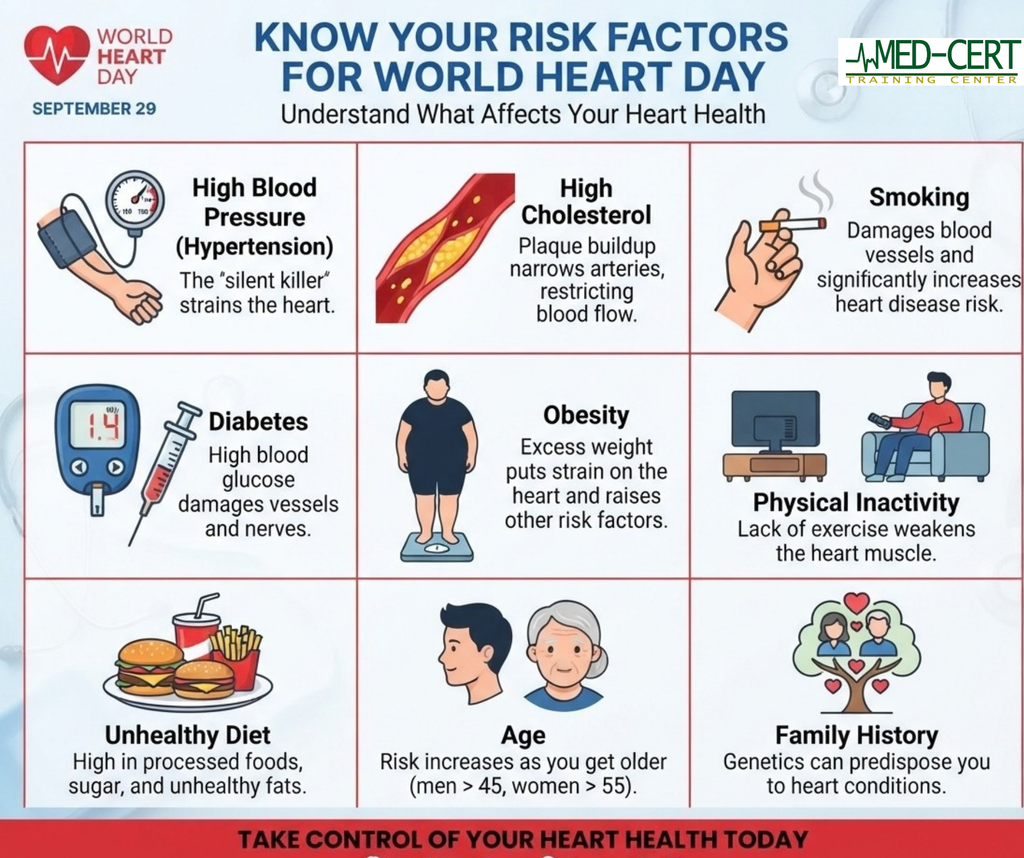
Some of these factors cannot be changed, but others can be addressed through lifestyle changes and appropriate medical care. Understanding your personal risk factors is an important starting point.
Everyday Habits for a Healthier Heart
Taking care of your heart does not necessarily require making major changes all at once. Consistent, manageable choices can help support long-term cardiovascular health.
Regular physical activity is one way to support your heart and overall fitness. Choosing a balanced diet with fruits, vegetables, whole grains, lean proteins, and other nutrient-rich foods can also be beneficial.

Avoiding smoking and tobacco products is another important step. People should also consider getting enough sleep, managing stress, maintaining a healthy weight, and limiting excessive alcohol consumption.
Regular medical checkups can help identify concerns such as high blood pressure, high cholesterol, and diabetes. If you have an existing condition, follow your healthcare provider’s recommendations for treatment, medication, monitoring, and lifestyle changes.
Know the Warning Signs
World Heart Day is also a good time to become familiar with possible warning signs of serious cardiovascular events.
Symptoms of a heart attack may include chest pain, pressure, squeezing or discomfort, shortness of breath, nausea, sweating, lightheadedness, or discomfort in areas such as the arms, back, neck, jaw, or stomach.

A stroke may cause sudden numbness or weakness, especially on one side of the body, confusion, difficulty speaking, vision problems, dizziness, loss of coordination, or a sudden severe headache.
Symptoms can vary from person to person. If you or someone around you may be experiencing a heart attack, stroke, or another life-threatening medical emergency, call 911 immediately.
How Med-Cert Can Support You
Heart-related symptoms and cardiovascular conditions can sometimes affect your ability to work or manage your usual responsibilities. When you are unwell, getting appropriate medical support and documentation should be straightforward.
Med-Cert helps eligible patients in the United States access medical certificates and related documentation through a convenient online process. This can be particularly helpful when an illness requires time away from work and traveling to an in-person appointment may be difficult or unnecessary.

Med-Cert provides a convenient option for appropriate non-emergency situations, helping patients obtain the documentation they need while giving them more time to focus on their health and recovery.
However, online medical certification should never delay emergency treatment. Med-Cert is not a substitute for emergency cardiovascular care. Chest pain, difficulty breathing, stroke symptoms, or other potentially life-threatening symptoms require immediate medical attention.
Make Your Heart a Priority
World Heart Day is more than a date on the calendar. It is a reminder to consider the everyday decisions that can influence cardiovascular health.
Whether you schedule a checkup, become more active, improve your eating habits, stop smoking, or learn more about your personal risk factors, taking action today can help support a healthier tomorrow.

This World Heart Day, take a moment to think about your heart—and make heart health a priority throughout the year.