Blood Cancer Awareness Month: Know the Signs, Make a Difference
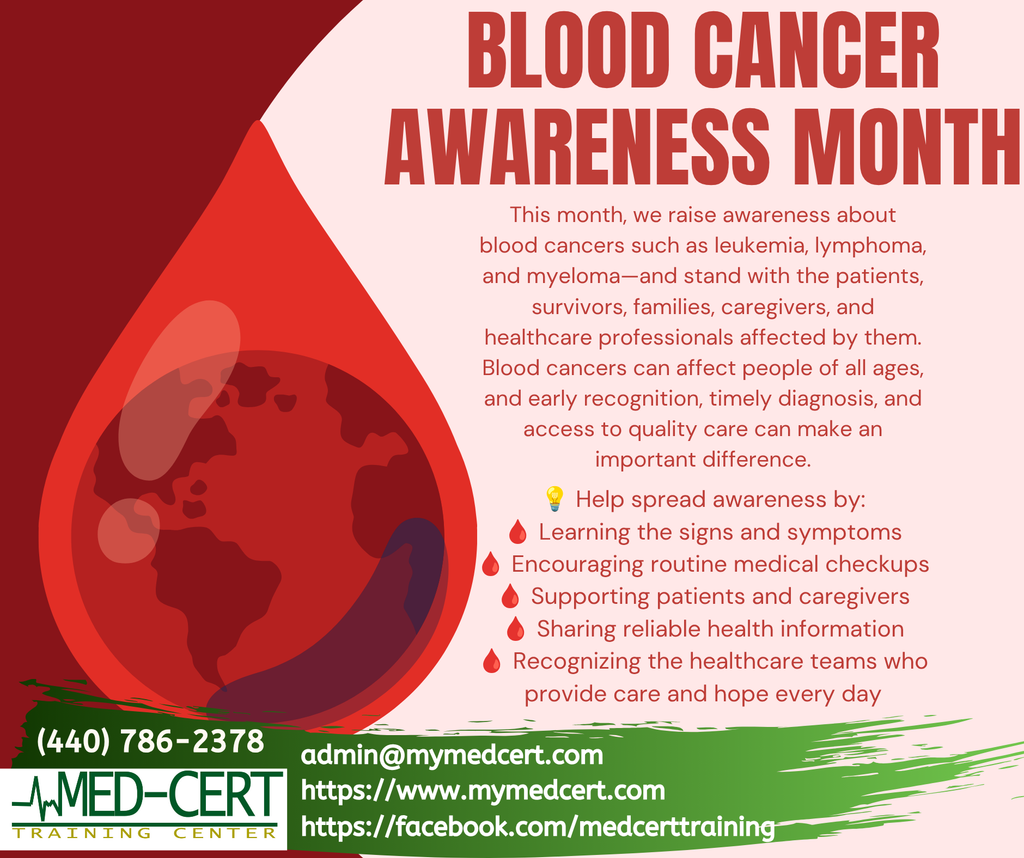
Every September, Blood Cancer Awareness Month brings attention to blood cancers, the people affected by them, and the importance of education, early detection, treatment, and support. It is also an opportunity for healthcare professionals, students, caregivers, and communities to learn more about diseases that can affect people of all ages.
At Med-Cert Training Center, serving Cleveland and Akron, Ohio, we believe healthcare education goes beyond earning a certification. Understanding serious health conditions and recognizing potential warning signs can help future healthcare professionals become more informed, attentive, and compassionate caregivers.
What Is Blood Cancer?
Blood cancer develops when abnormal blood cells interfere with the body’s ability to function normally. Unlike many cancers that form solid tumors, blood cancers generally affect the blood, bone marrow, or lymphatic system.
Three major types of blood cancer are leukemia, lymphoma, and myeloma.
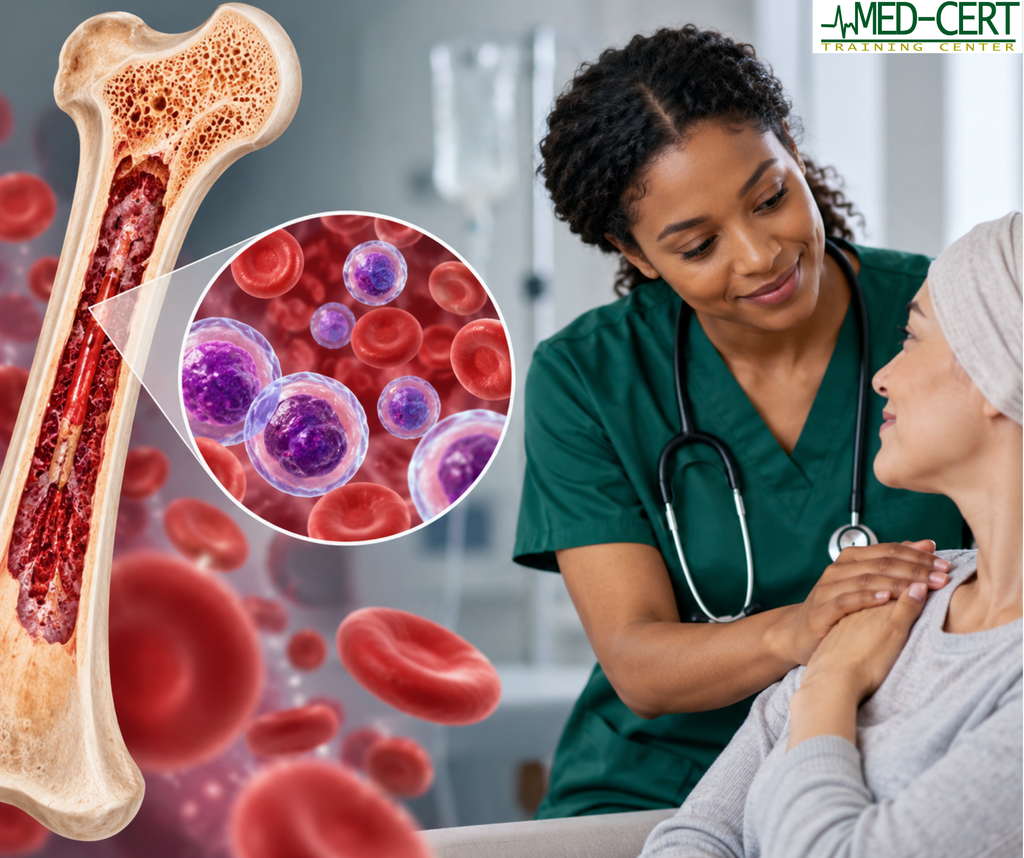
Leukemia affects blood-forming tissues, including bone marrow, and can result in abnormal production of blood cells.

Lymphoma affects the lymphatic system, an important part of the body’s immune system.
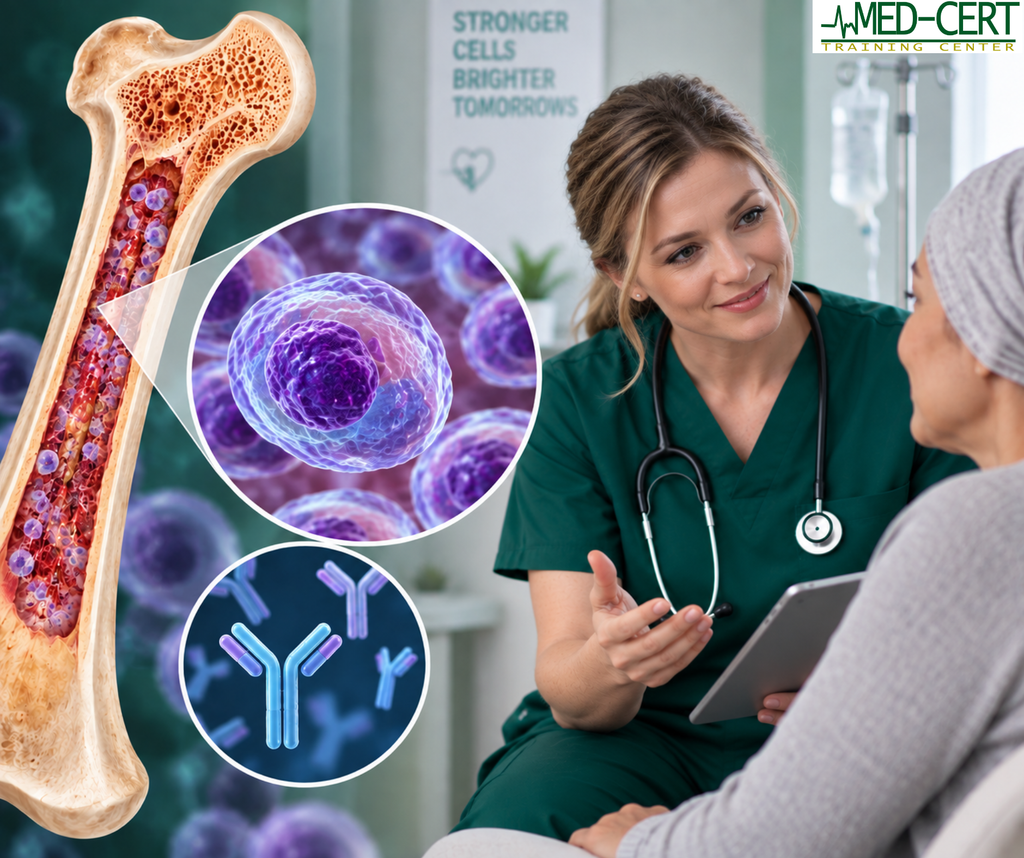
Myeloma affects plasma cells, which normally help the immune system produce antibodies that fight infections.
Blood Cancer Awareness Month helps educate the public about these diseases while encouraging support for patients, survivors, families, caregivers, and ongoing research.
Recognizing Possible Blood Cancer Symptoms
Symptoms can vary depending on the type of blood cancer and the individual. Some warning signs can also resemble symptoms of less serious conditions, which is why proper medical evaluation is important.
Potential symptoms may include persistent fatigue or weakness, unexplained weight loss, frequent infections, fever or night sweats, unusual bruising or bleeding, swollen lymph nodes, bone or joint pain, and shortness of breath.
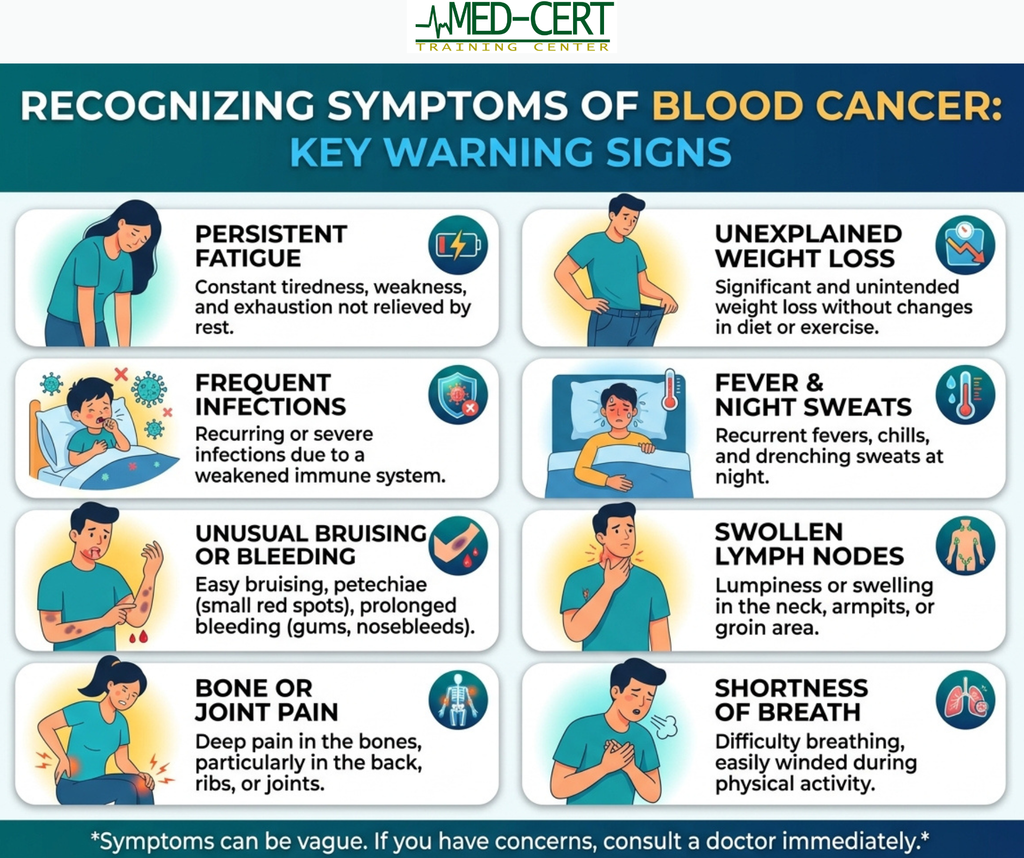
Having one or more of these symptoms does not automatically mean someone has blood cancer. However, persistent or unexplained changes should be discussed with a qualified healthcare professional.
Why Blood Cancer Awareness Matters for Healthcare Students
For anyone considering a career in healthcare, awareness months provide valuable opportunities to expand their knowledge.
Students pursuing healthcare training in Cleveland or Akron may eventually work with patients living with cancer or recovering from treatment. Certified nursing assistants, home health aides, phlebotomy technicians, and other healthcare professionals can all play important roles in supporting patients.

Depending on their position and scope of practice, healthcare workers may assist with daily care, observe changes in a patient’s condition, collect blood specimens, take vital signs, provide companionship, or communicate important observations to the appropriate clinical team.
These responsibilities demonstrate why strong foundational healthcare training matters.
Supporting People Affected by Blood Cancer
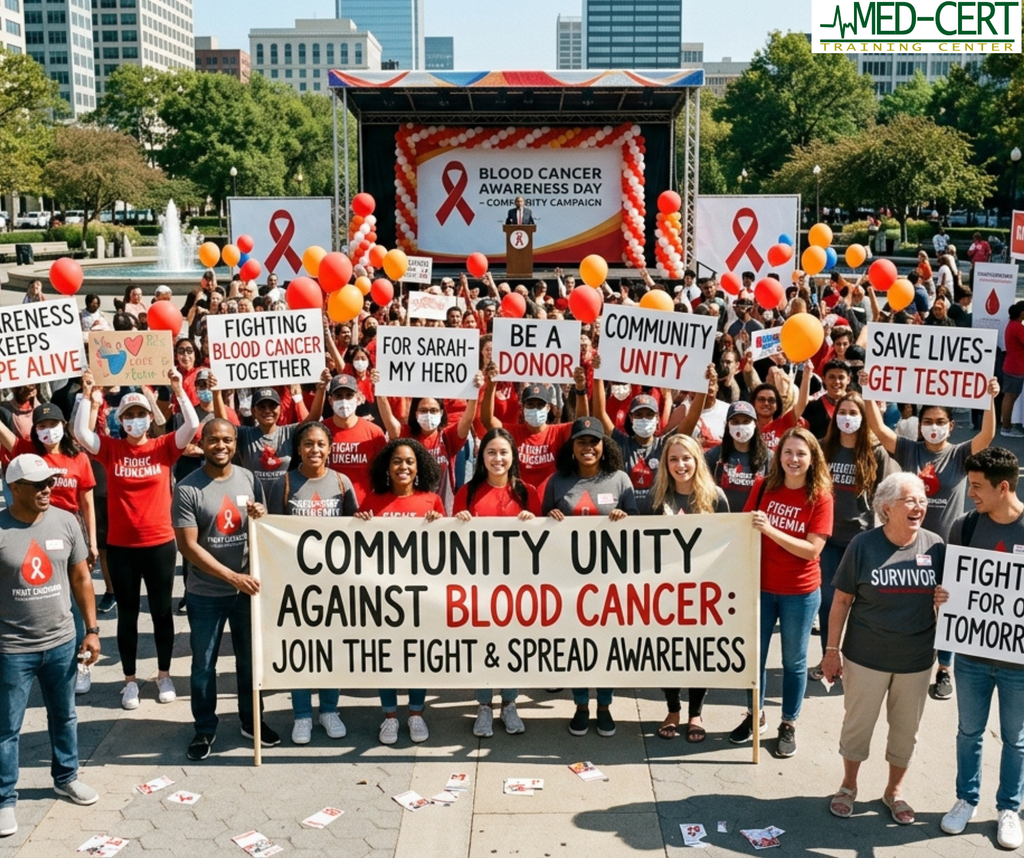
You do not need to be a physician or cancer specialist to make a meaningful difference. Communities can support Blood Cancer Awareness Month by learning about blood cancers, sharing reliable health information, supporting blood cancer organizations, participating in awareness events, or simply being present for someone undergoing treatment.
For healthcare professionals, compassionate patient care can be equally important. Cancer treatment may be physically and emotionally challenging, and patients deserve caregivers who treat them with dignity, patience, and respect.
Build Your Healthcare Career with Med-Cert Training Center
Blood Cancer Awareness Month 2026 reminds us that knowledge and compassionate care can make a difference. It also highlights the importance of well-trained healthcare professionals throughout Northeast Ohio.
If you are ready to begin or advance a healthcare career, Med-Cert Training Center in Cleveland and Akron, Ohio, provides career-focused healthcare training designed to help students develop practical skills and prepare for opportunities in the healthcare field.
Your healthcare career can become an opportunity to support patients and families when they need skilled, compassionate care most.