
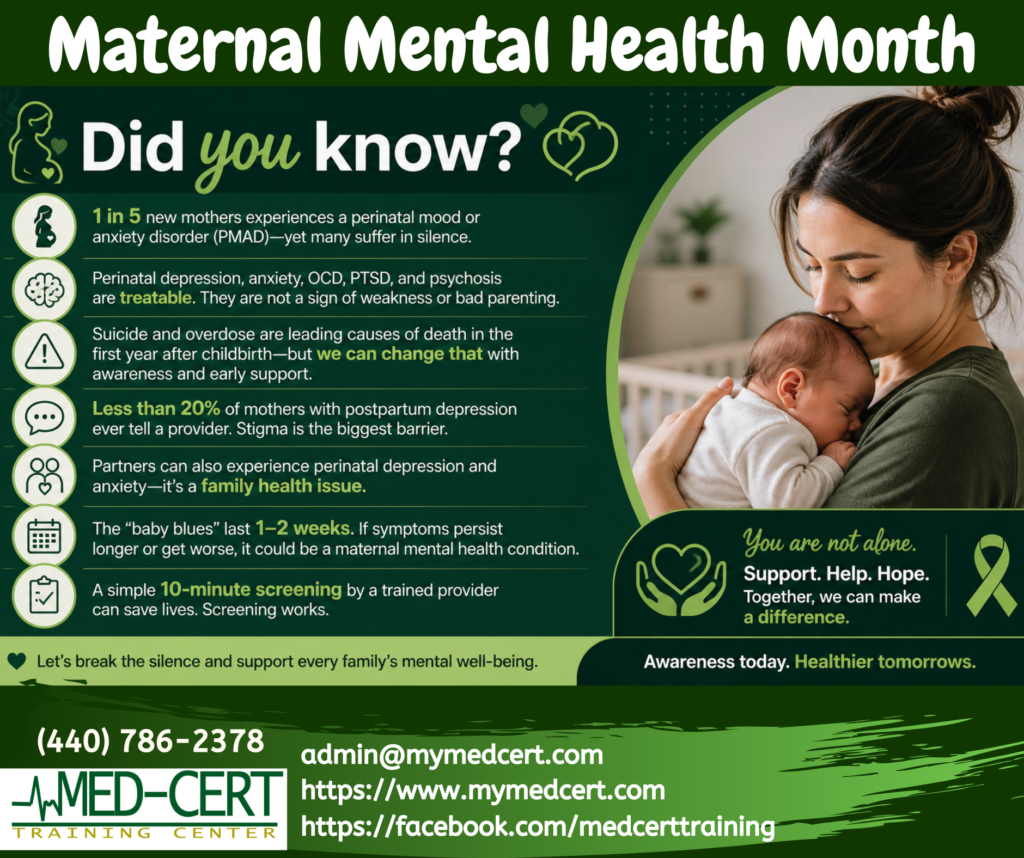
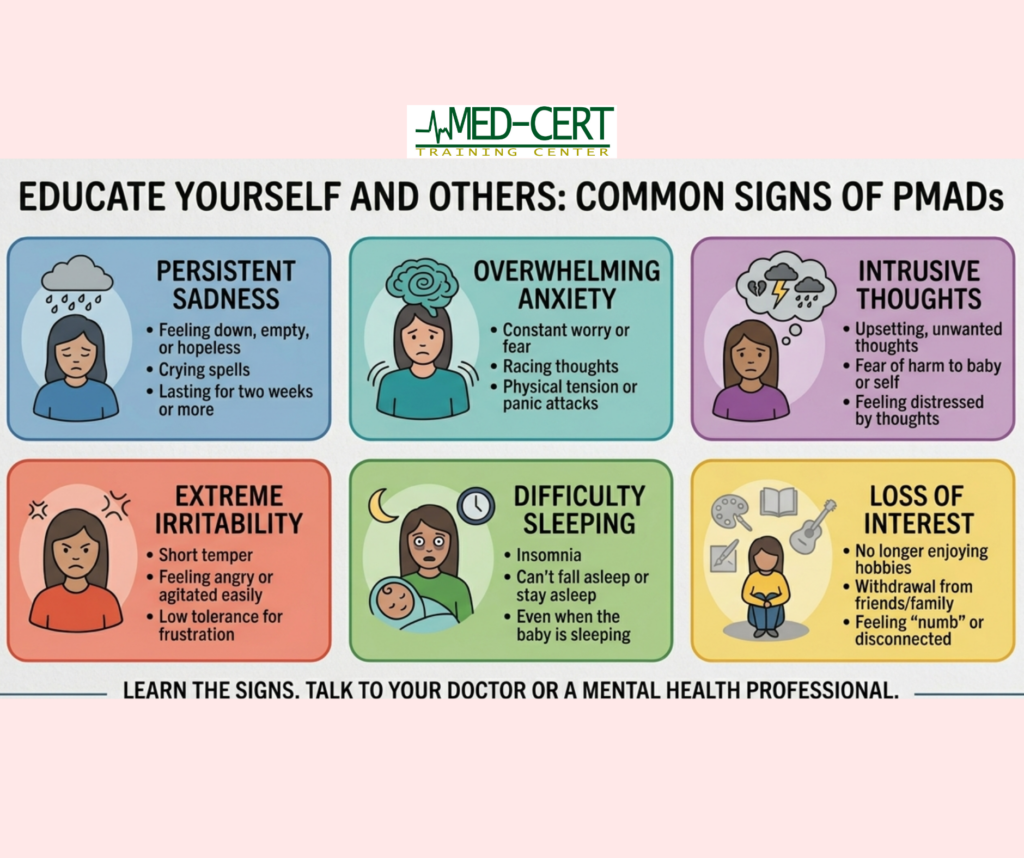
May is Maternal Mental Health Month—a dedicated time to acknowledge the emotional and mental health challenges that mothers face before, during, and after pregnancy. Behind the carefully curated images of newborns sleeping peacefully and mothers radiating joy, countless women are fighting a silent battle. Perinatal Mood and Anxiety Disorders (PMADs)—including postpartum depression, anxiety, obsessive-compulsive disorder, and psychosis—are the most frequent complications of childbearing. Yet, up to 75% of affected mothers go without treatment, suffering in silence due to stigma, lack of awareness, or inadequate access to care.
This May, we must move beyond the notion that motherhood is an instinctive state of bliss and embrace a more realistic, compassionate truth: motherhood is tough, and maternal mental health is a vital healthcare priority.
Understanding the Scale of the Problem
Maternal mental health issues are not rare. According to nonprofit Postpartum Support International (PSI), one in five women (and at least one in ten men) experience depression or anxiety during the perinatal period. A global review published in The Lancet Psychiatry found that approximately one in 15 women (6.8%) suffers from major depression during the first year after childbirth, with prevalence peaking at 8.3% during the first two weeks.

These conditions have devastating consequences for mothers, their infants, and their families. Untreated PMADs can impair mother-infant bonding, disrupt child development, and—in the most severe cases—contribute to maternal suicide, a leading cause of pregnancy-related death. For healthcare professionals, understanding these statistics is the first step toward early identification and intervention.
🔍 Why Mothers Don’t Seek Help
Despite the high prevalence, the vast majority of cases remain untreated. A recent study from the Nested Research Institute found that 40% of caregivers who experienced a PMAD were never screened during follow-up obstetric or pediatric visits. Among those who were screened, nearly half (48%) did not answer screening questions honestly, often due to fears of judgment or losing custody of their children.

This silence is fueled by a pervasive cultural narrative that pregnancy and childbirth should be the happiest time in a woman’s life. When that expectation fails to match reality, mothers feel ashamed, isolated, and broken. They hide their struggles, believing they are alone. The 2026 Maternal Mental Health campaign theme, “See, Listen, Support,” urges us to look beyond the surface, recognize signs of hidden distress, and offer non-judgmental support.
🤝 How to Offer Real Support
Supporting a mother struggling with her mental health requires more than just asking, “How are you?” It requires open-ended, compassionate listening and practical assistance.
Here are five actionable steps to support the new moms in your life:

Listen Without Judgment.
Ask specific questions like, “You seem like you’re having a really hard time. Can you tell me more about that?” and simply listen. Avoid offering quick fixes or telling her to “just be positive.”

Offer Tangible Help:
Instead of saying, “Let me know if you need anything,” take the initiative. Bring a meal, sit with the baby so she can shower or nap, or accompany her to a doctor’s appointment.

Hold Space for Vulnerability:
Normalize the conversation. Share that many mothers feel this way and that she is not alone in her struggles.
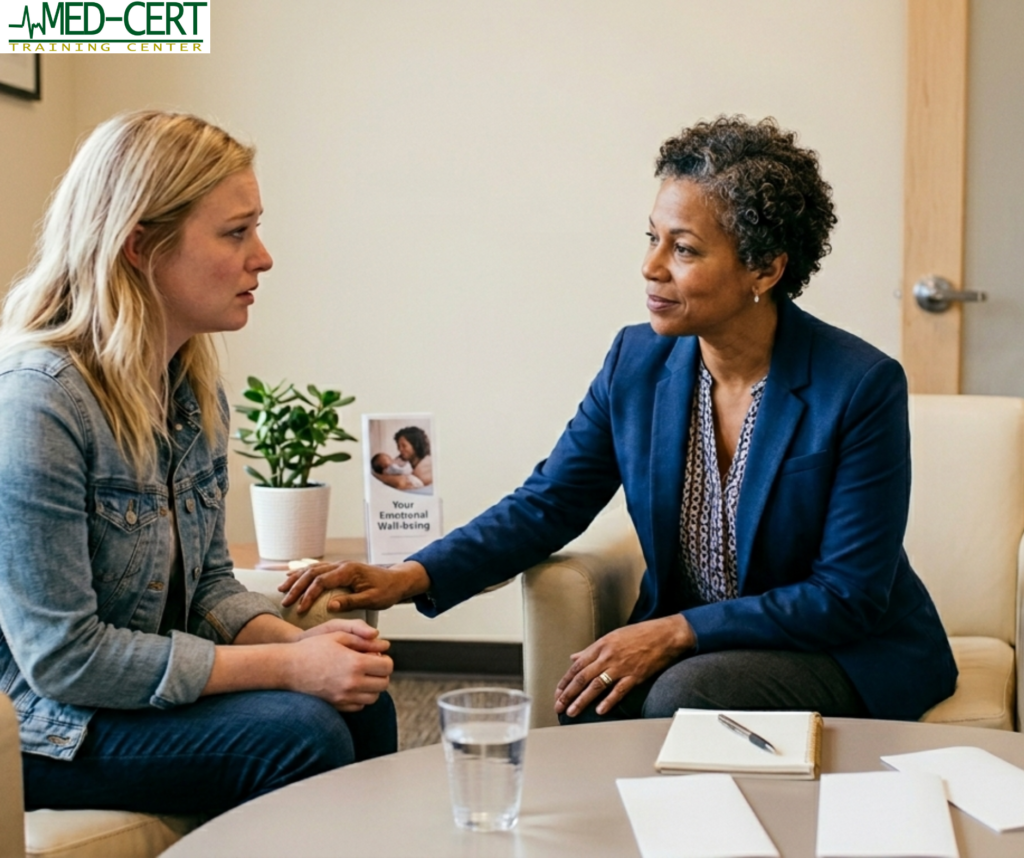
Encourage Professional Help Without Shame:
If you sense deep distress, consider suggesting gently that you speak with a healthcare provider. Reassure her that seeking help is a sign of strength, not weakness.
🏥 What Employers Can Do During Maternal Mental Health Month and Beyond
For healthcare organizations, clinics, and training centers (like Med-Cert Training Center), Maternal Mental Health Month is an opportunity to examine internal policies. Consider implementing or promoting perinatal mental health training for staff, ensuring that your panel includes providers skilled in recognizing and treating PMADs. Additionally, offering flexible return-to-work policies for new parents can drastically reduce anxiety during a vulnerable transition period.
- 📞 Postpartum Support International (PSI) Helpline: Call or text 1-800-944-4773 (English) or 971-203-7773 (Spanish)
- 🌐 Postpartum Support International: Visit postpartum.net to find peer support, online support groups, and provider referrals.
- 🤱 PSI Connect App: Download the free Connect by PSI app (available in English and Spanish) for accessible support on the go
- 💙 National Maternal Mental Health Hotline (HRSA): Call 1-833-852-6262 for free, confidential 24/7 support from professional counselors
- 🟦 The Blue Dot Project: Wear a blue dot pin or sticker to show solidarity and signal that you understand the struggles of perinatal mental health disorders.
🌟 A Final Call to Action
Maternal mental health is not a luxury—it is a necessity. This May, let’s commit to breaking the stigma, improving screening protocols, and building stronger support systems for every parent. At Med-Cert, we stand with mothers, families, and healthcare providers working to make a difference.

Whether you are a healthcare professional, a partner, or a friend, you have the power to see, listen, and support the mothers in your life. Together, we can ensure that no mother has to navigate her darkest moments alone.
Happy Maternal Mental Health Month. Let’s support the expectation, not the exception.