7 Tips to Lower Your Breast Cancer Risk
October is Breast Cancer Awareness Month, a time to raise awareness about breast health, encourage healthy habits, and empower individuals to take proactive steps toward their well-being.
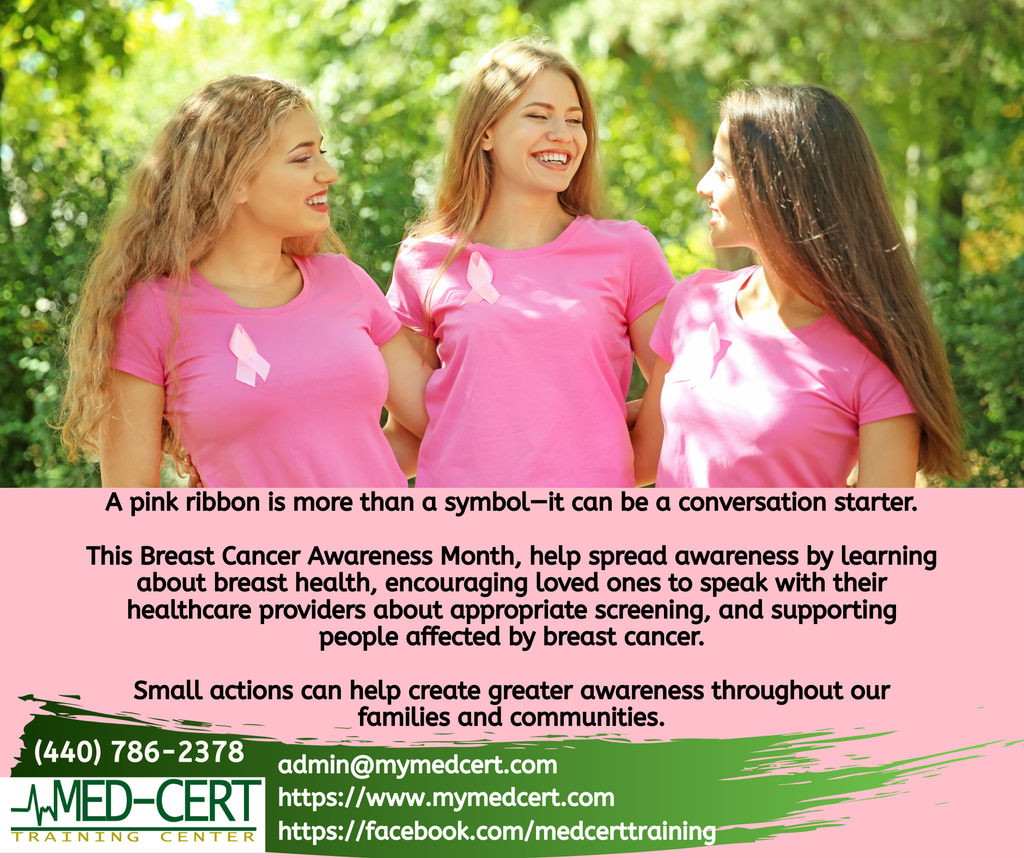
While there is no guaranteed way to prevent breast cancer, certain lifestyle choices may help reduce the risk of developing the disease. Understanding these factors and making informed decisions can support long-term health.
Here are seven practical tips to help lower your breast cancer risk.
1. Maintain a Healthy Weight
Maintaining a healthy weight is an important part of reducing breast cancer risk, particularly after menopause. Excess body fat can increase estrogen levels and contribute to inflammation, both of which may influence breast cancer development.

Focus on balanced meals, regular physical activity, and sustainable lifestyle habits rather than restrictive diets.
2. Stay Physically Active
Regular exercise offers numerous health benefits, including helping maintain a healthy weight and potentially lowering breast cancer risk.
The American Cancer Society recommends that adults aim for 150–300 minutes of moderate-intensity physical activity or 75–150 minutes of vigorous activity each week.

Activities such as walking, swimming, cycling, and dancing are excellent ways to stay active. Even small changes, like taking the stairs or going for daily walks, can make a difference.
3. Limit or Avoid Alcohol
Alcohol consumption is associated with an increased risk of breast cancer. Research indicates that even relatively low levels of alcohol consumption can increase risk.

For breast cancer prevention, avoiding alcohol is the best option. Individuals who choose to drink should understand that drinking less generally means lower risk.
4. Eat a Balanced, Nutritious Diet
Although no specific food can guarantee breast cancer prevention, a healthy eating pattern can support overall wellness and weight management. Include plenty of fruits, vegetables, whole grains, legumes, and other nutrient-rich foods in your daily meals.

Try to limit highly processed foods, sugary beverages, and processed meats. A balanced diet combined with regular exercise can help support long-term health.
5. Avoid Smoking and Tobacco Products
Smoking is associated with several serious health conditions, including numerous types of cancer. Some research also suggests a connection between smoking and increased breast cancer risk.
Avoiding tobacco products and quitting smoking can improve overall health and reduce the risk of many smoking-related diseases.
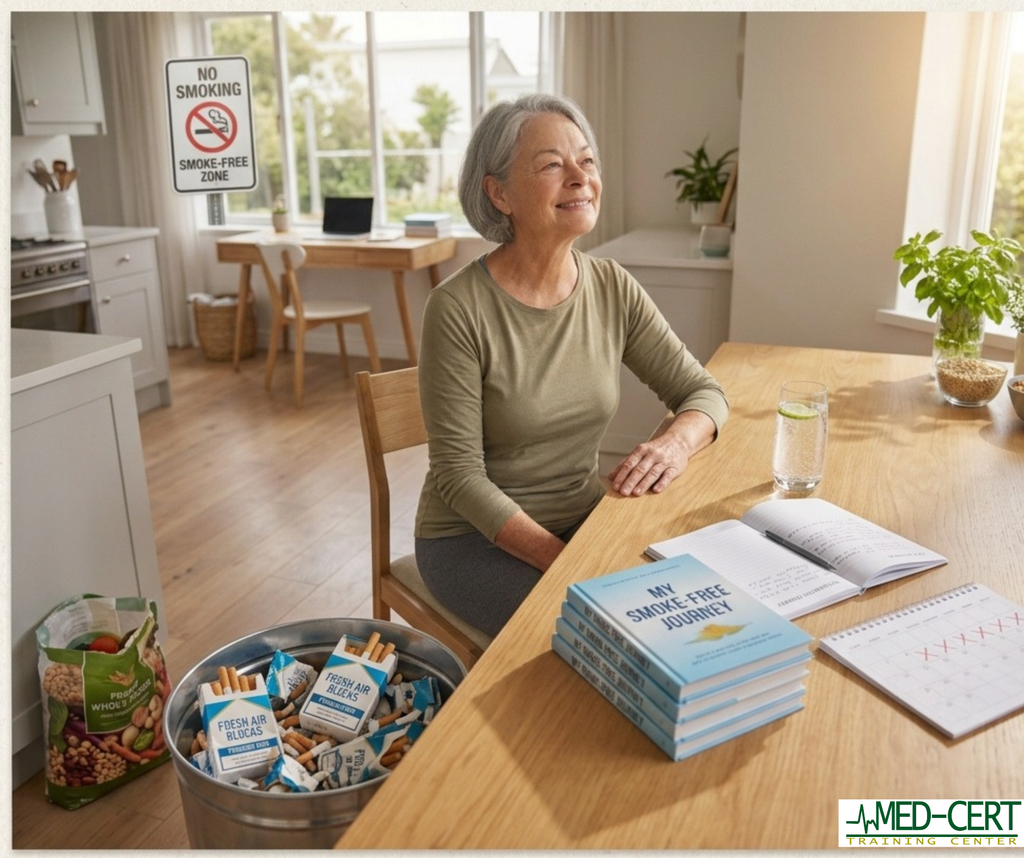
For individuals who smoke, healthcare professionals can recommend resources and strategies to help them quit.
6. Understand Your Family History and Personal Risk
Some breast cancer risk factors, such as age, family history, and inherited genetic mutations, cannot be changed.
However, understanding your personal risk can help you make informed healthcare decisions.
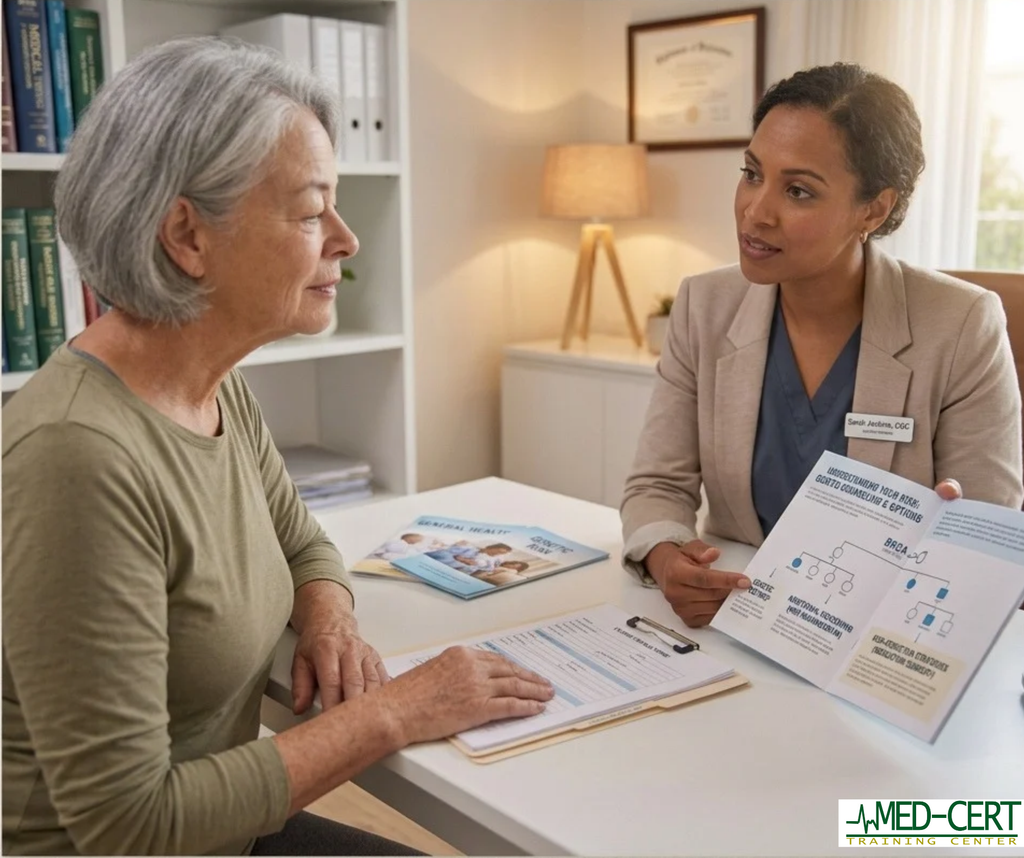
If breast or ovarian cancer runs in your family, speak with your healthcare provider about whether genetic counseling, additional screening, or other risk-reduction strategies may be appropriate.
For people at substantially increased risk, healthcare professionals may discuss preventive medications or surgery based on individual circumstances.
7. Stay Informed About Breast Cancer Screening
Regular breast cancer screening is an important part of breast health.
Mammograms can help detect breast cancer before noticeable symptoms appear, potentially allowing treatment to begin earlier.
Screening does not prevent breast cancer, but it can help identify the disease at an earlier stage.
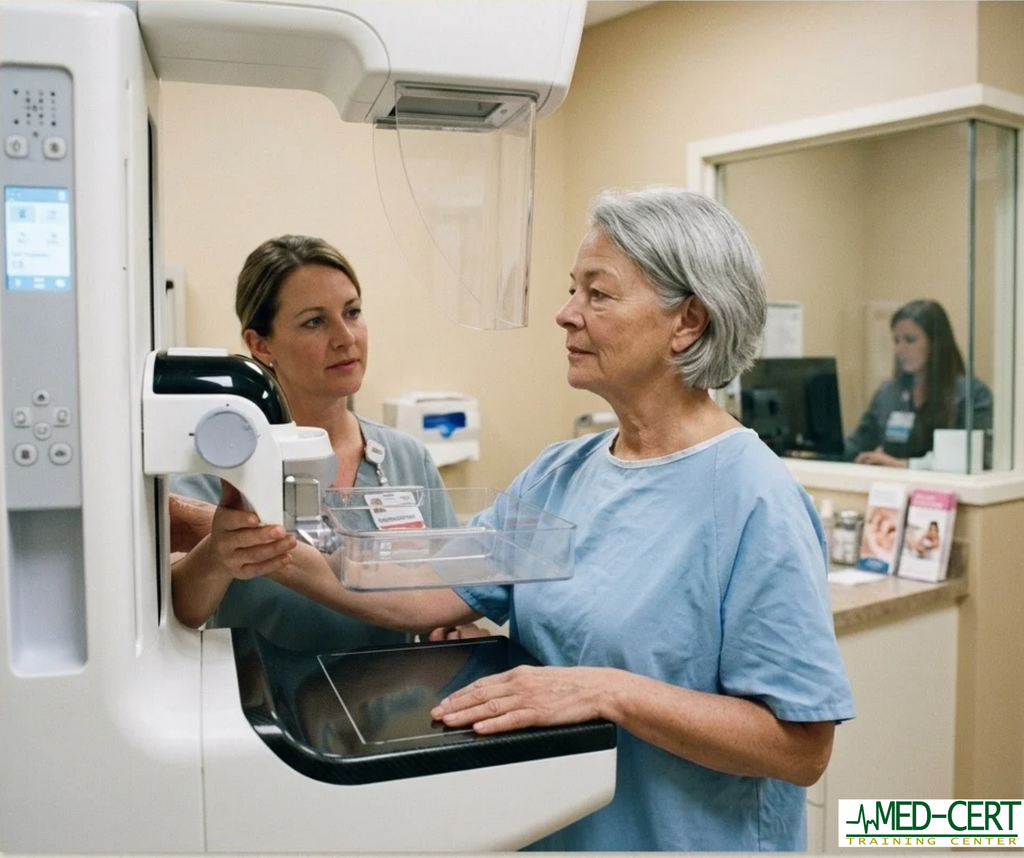
In the United States, the U.S. The Preventive Services Task Force recommends mammograms every two years for women ages 40 to 74 who are at average risk. Other medical organizations may recommend different screening schedules.
Talk with your healthcare provider to determine the most appropriate screening plan based on your age, medical history, and individual risk factors.
How Med-Cert Supports Breast Health and Recovery
At Med-Cert, we believe that awareness, education, and access to appropriate healthcare resources are important parts of supporting individuals and families affected by breast cancer.
While healthy lifestyle choices and preventive healthcare can help reduce certain risks, individuals diagnosed with breast cancer may require additional support during treatment and recovery.

Med-Cert helps eligible patients access prescribed durable medical equipment and supplies that may support comfort, mobility, safety, and independence at home.
Depending on medical necessity, healthcare provider recommendations, and insurance coverage, certain equipment may help patients manage daily activities more comfortably throughout their recovery journey.
By helping patients navigate the process of obtaining qualifying medical equipment, Med-Cert aims to make accessing essential support more convenient during challenging times.
Take Small Steps Toward Better Breast Health
Breast Cancer Awareness Month is a reminder that protecting your health begins with awareness and informed choices.
Whether it’s becoming more physically active, reducing alcohol consumption, maintaining a healthy weight, or discussing your family history with a healthcare professional, small changes can contribute to better long-term health.
Remember, breast cancer can develop even in people who follow healthy lifestyles. Prevention is about reducing risk, not eliminating it entirely.
This October, prioritize your breast health, encourage your loved ones to do the same, and remember that every positive step toward a healthier lifestyle matters.